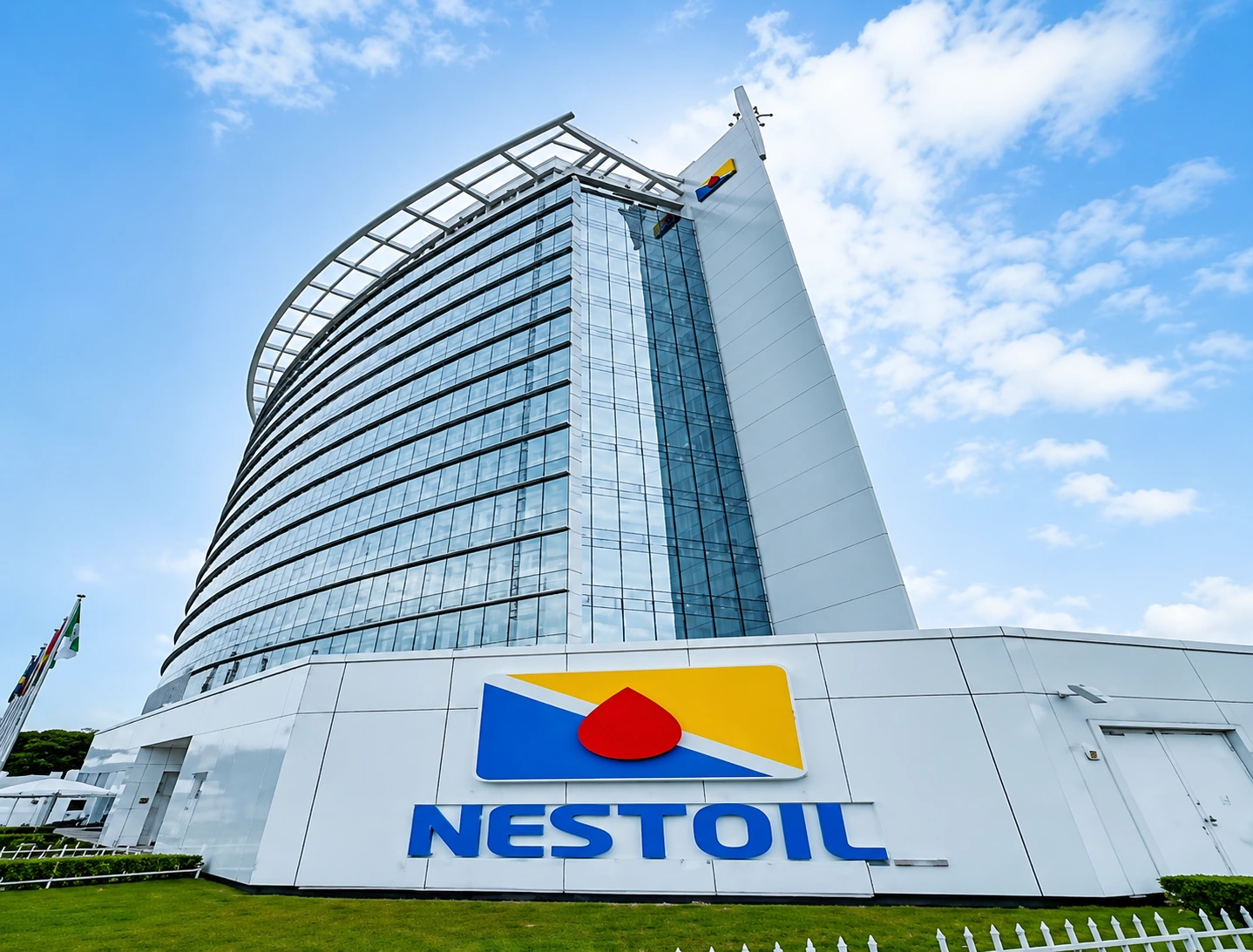
Nigeria’s oil industry is looking beyond new discoveries for additional barrels, with indigenous producers increasingly trying to extract more from mature fields and infrastructure already in place.
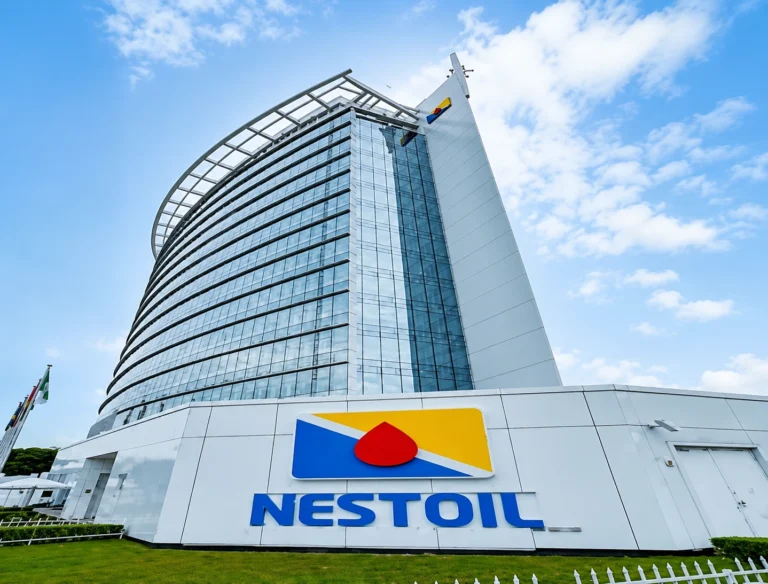
Nestoil Group is taking that approach at Oil Mining Lease 42 (OML 42), where its Pathfinder 500 rig has returned to productive service after sitting idle for about eight years.
The rig has completed workover operations on two producing wells at the Niger Delta asset through Nestoil’s strategic business unit, Scorpio Drilling International, with the company reporting additional oil production from the wells.a
The number of additional barrels was not disclosed.
The operation is the first productive assignment for the Pathfinder 500 since Nestoil acquired it, according to the company, which invested about $28 million in the Pathfinder 500 and a second rig, the Scorpio 300.
The investment gives Nestoil something increasingly valuable in Nigeria’s upstream sector: direct access to drilling and workover capacity rather than complete dependence on third-party rig contractors.
Why Nestoil is investing in its own drilling capacity
Nestoil’s decision to own drilling equipment is closely tied to the characteristics of OML 42.
The asset is a mature oil block rather than a new frontier development. Production began in 1969, and the licence once produced about 250,000 barrels of oil equivalent per day at its peak.
The block covers about 814 square kilometres in the West Delta and contains seven fields with hydrocarbon production history as well as five undeveloped discoveries. Neconde Energy, the indigenous company through which Nestoil participates in the asset, estimates OML 42’s 2P oil reserves at about 600 million barrels.
That leaves a substantial development opportunity, but extracting it requires repeated intervention in existing wells as fields age.
For an operator, having to wait for a suitable hired rig can add cost and constrain the timing of workovers, well rehabilitation and new drilling.
Nestoil’s $28 million investment is therefore aimed at more than the two wells recently worked over.
The company says the rigs were acquired to provide reliable in-house capacity for workovers, the revival of older wells and, ultimately, new in-field drilling as OML 42 develops.
OML 42 has already gone through a major production decline
The history of OML 42 explains why well rehabilitation has become central to its development strategy.
Several of the block’s producing fields were shut in during the mid-2000s amid security problems in the Niger Delta. Neconde says production had fallen to about 50,000 barrels per day, alongside 80 million standard cubic feet per day of gas, around the period of those shutdowns.
The subsequent strategy was not simply to search for new reserves but to restore production from infrastructure and wells that had previously been producing.
Neconde acquired a 45% participating interest in OML 42 from Shell, Total and Agip in 2011 through a competitive divestment process. The remaining interest is held by NNPC’s exploration and production business.
Neconde subsequently became operator of the asset on behalf of the joint venture in 2015.
The latest Nestoil drilling campaign fits into that longer rehabilitation effort.
From workovers to new drilling
The Pathfinder 500 operation also marks a potential transition in Nestoil’s strategy.
Workovers can restore or improve production from existing wells without requiring the development of an entirely new field. But Nestoil says its objective extends beyond maintaining existing production.
The company plans to use its drilling capacity for an in-field drilling programme at OML 42.
That distinction matters for Nigeria’s production ambitions.
Increasing national output requires not only bringing shut-in wells back online but also replacing declining production with new wells and developing remaining reserves in producing fields.
Nestoil’s chairman, Ernest Azudialu Obiejesi, said the decision to acquire the two rigs was driven by the cost and difficulty of relying on hired drilling equipment in Nigeria’s operating environment.
The Pathfinder 500 campaign was completed without a reported health, safety and environmental incident, after which the rig was demobilised to base.
Nestoil also said the refurbishment, crewing and deployment involved Nigerian personnel, with the current rig crew fully Nigerian.
The bigger problem is getting oil out of mature fields
Owning a rig solves only one part of the upstream challenge.
OML 42 has previously faced difficulties moving crude from its fields to export infrastructure. Neconde has cited repeated problems with the Trans-Forcados Pipeline, including ageing infrastructure, crude theft and sabotage.
Those disruptions contributed to the development of an alternative evacuation arrangement involving barging crude to the Ugo Ocha export terminal.
That history illustrates why additional production from mature Nigerian fields depends on more than drilling.
A company needs functioning wells, drilling equipment, reliable evacuation infrastructure and sufficient operational security to turn reserves underground into saleable crude.
Nestoil’s latest investment addresses the drilling side of that equation.
Indigenous companies are taking a larger role in Nigeria’s oil industry
The Pathfinder 500’s return also fits a broader change in Nigeria’s upstream industry.
Indigenous producers have increasingly acquired interests in assets previously operated by international oil companies, creating a larger role for Nigerian-owned businesses in operating mature oil fields.
For Nestoil, OML 42 provides a particularly large platform for that strategy.
The company is not only participating in oil production but building supporting capabilities around the asset, including drilling capacity.
That gives the company greater control over the timing of well interventions and creates the possibility of deploying its equipment across a longer development programme.
For Arbiterz, this is also the type of corporate story worth treating as an entity story, rather than a one-day oil-production report. The SEO analysis shows that Google is increasingly associating Arbiterz with Nigerian companies, oil and gas, banks, businesspeople and financial markets, and recommends strengthening that authority through consistent entity coverage.
What happens next for Nestoil and OML 42
The immediate result from the Pathfinder 500 is two producing wells that have undergone workovers and an increase in production, although Nestoil has not publicly quantified the additional output.
The more important test will be whether the $28 million investment allows the company to execute a sustained drilling and well-rehabilitation programme across OML 42.

If the rigs can be deployed consistently, Nestoil will have moved beyond simply owning oil-producing assets to controlling a larger part of the equipment and operational chain required to develop them.
That could become increasingly important as Nigeria seeks to raise crude production from mature fields while indigenous operators assume greater responsibility for the country’s existing oil assets.