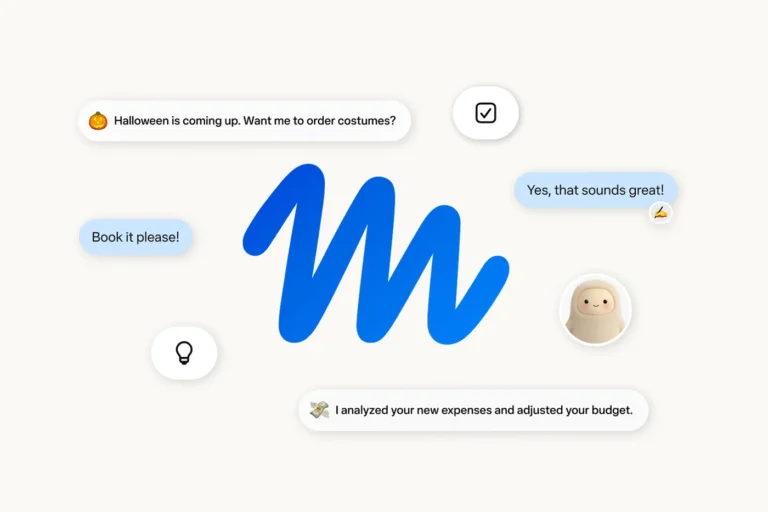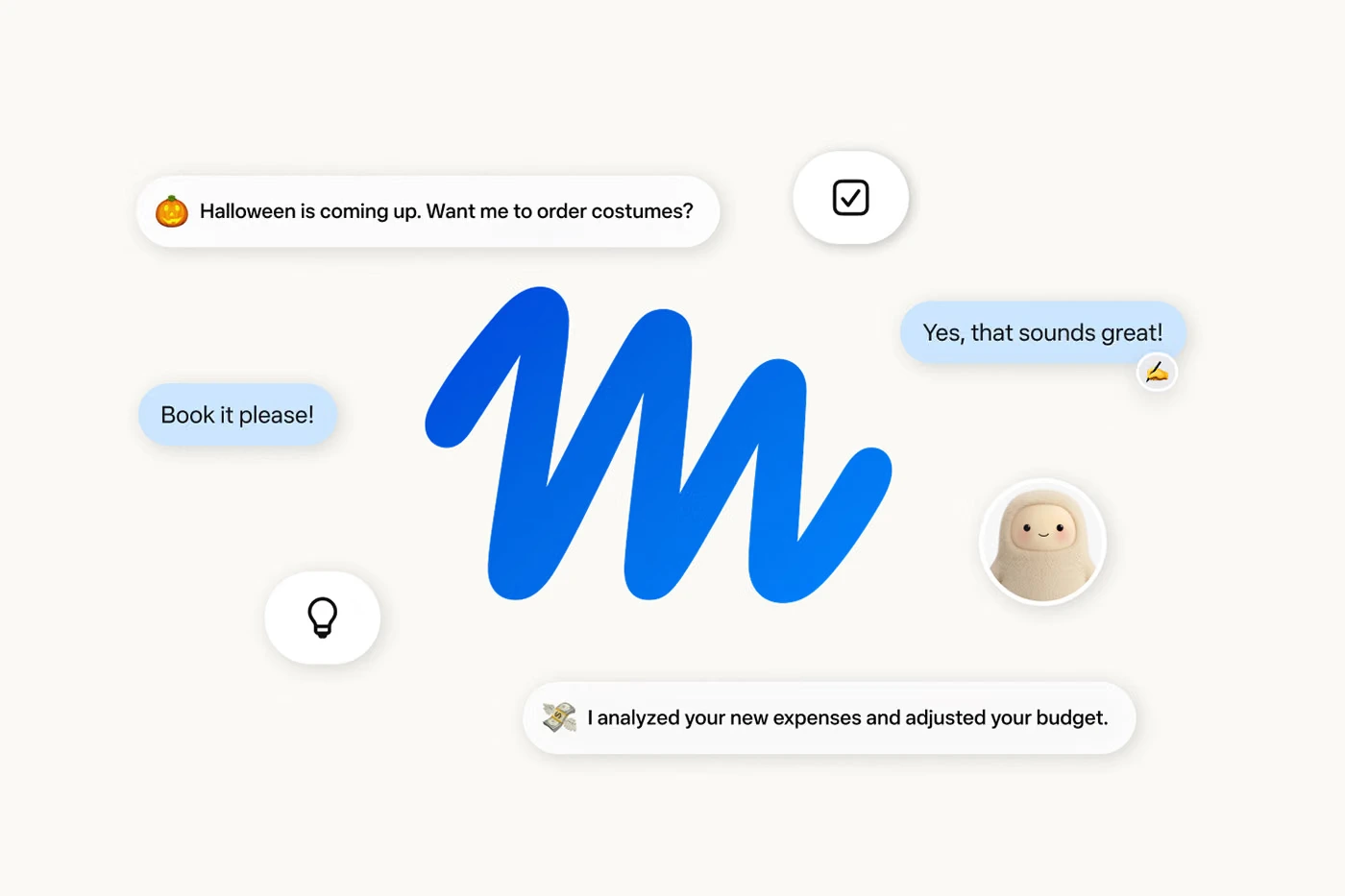
Meta has launched Muse, a new personal artificial intelligence agent designed to go beyond answering questions and independently carry out everyday digital tasks on behalf of users.
The company introduced the AI agent in the United States on September 8, positioning Muse as part of a broader shift from conversational AI tools to systems capable of taking action across multiple apps and online services.
Unlike conventional chatbots that primarily respond to prompts, Muse can connect to services such as email, calendars, payments, fitness applications, smart-home devices, restaurants, shopping platforms and music services. Users decide which services the agent can access.
Once connected, Muse can perform tasks including sending emails, booking trips, completing online forms, creating plans, negotiating lower bills and making purchases.
Meta says the system is powered by Muse Spark, its AI technology for building autonomous agents. When a service has a public application programming interface, or API, Muse can establish a direct connection. Where an API is unavailable, the agent can interact with the service through a web browser.
The system is also designed to continue working in the background after a user leaves the application. Meta says Muse can deploy groups of specialised subagents, create tools for particular tasks and modify its own code to improve how it performs certain operations.
Meta builds security layer around Muse
Because Muse is designed to take actions rather than simply provide information, Meta has built a dedicated environment intended to isolate the agent from a user’s wider digital environment.
Muse operates inside what Meta calls the Muse Secure VM, an isolated Linux virtual machine containing its own browser, storage, processing resources and memory.
A separate monitoring system called Sentinel operates within the environment to oversee activity while remaining isolated at the system level.
Meta says Muse does not have direct visibility into users’ passwords or payment details. The company has also said conversations with the agent are not shared with its advertising systems.
Purchases are supported through Link by Stripe, while Meta says integrations with Shopify and 1Password are planned.
Muse comes with free and paid plans
Muse is available through the web, iOS and Android applications, as well as WhatsApp. Meta also plans to extend the service to its AI-enabled glasses.
Users are required to have a payment card on file to access the service, including its free tier, which operates with a usage limit.
For users who need more capacity, Meta is offering two paid subscriptions. The Power plan costs $20 per month, while the Maximum plan costs $100 per month.

The launch marks another step in the race to develop AI systems that can independently interact with digital services. The technology could make routine online tasks considerably easier, but its ability to access personal accounts and act on behalf of users also raises questions about privacy, security and how much control people should surrender to autonomous software.
Meta’s approach is to give users control over individual integrations, allowing them to decide which apps and services Muse can access rather than granting the agent unrestricted access from the outset.