Brent crude has climbed above $100 per barrel for the first time since July 24 as intensifying conflict in the Middle East raises fresh concerns about the security of oil supplies from the region.
Brent futures rose as high as $100.19 a barrel on Wednesday before easing to $99.93 by 0802 GMT, still up $2.01, or 2.05%, from the previous close. US West Texas Intermediate (WTI) also gained $1.49, or 1.60%, to $94.52 a barrel.
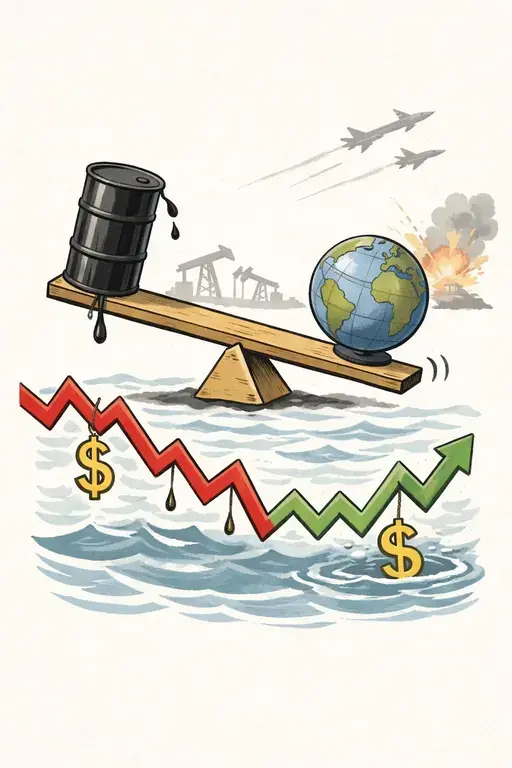
The latest rally reflects growing market concern that the six-month-old US-Iran conflict could become a prolonged disruption to global energy supplies. Brent has risen by about a quarter since early August as expectations of a lasting resolution to the conflict have weakened.
The escalation has also spread to key oil infrastructure and shipping routes. Attacks by Iran-backed Houthis on Saudi energy facilities this week set oil installations ablaze, while attacks on tankers have heightened concerns about crude movements through the Gulf of Oman and the Red Sea.
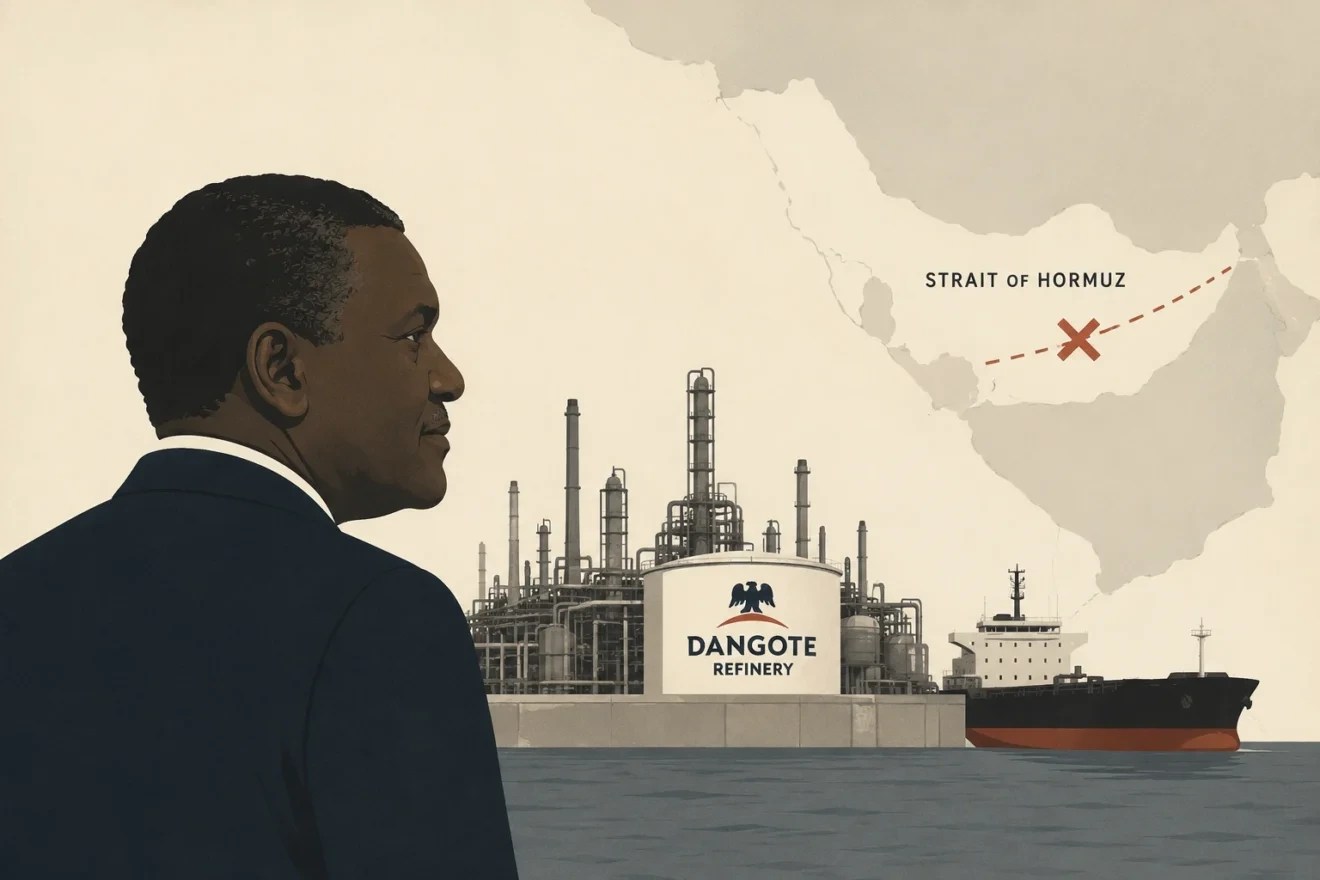
The Strait of Hormuz remains the biggest source of concern. The strategic waterway normally handles a substantial share of global oil shipments, but flows have been severely curtailed since the conflict began on February 28.
According to Rystad Energy Chief Economist Claudio Galimberti, between 8 million and 9 million barrels per day flowed through Hormuz in the week before fighting resumed on August 30, roughly twice the volume recorded the previous week. More recently, however, flows have fallen below 2 million barrels per day.

The International Energy Agency expects global oil supply to decline by 4.3 million barrels per day this year, equivalent to about 4%, despite higher output from non-OPEC producers such as the United States, Canada and Guyana.
With Brent now testing the $100 threshold again, the duration and geographic spread of the Middle East conflict could become increasingly important for inflation, energy costs and economic growth worldwide.