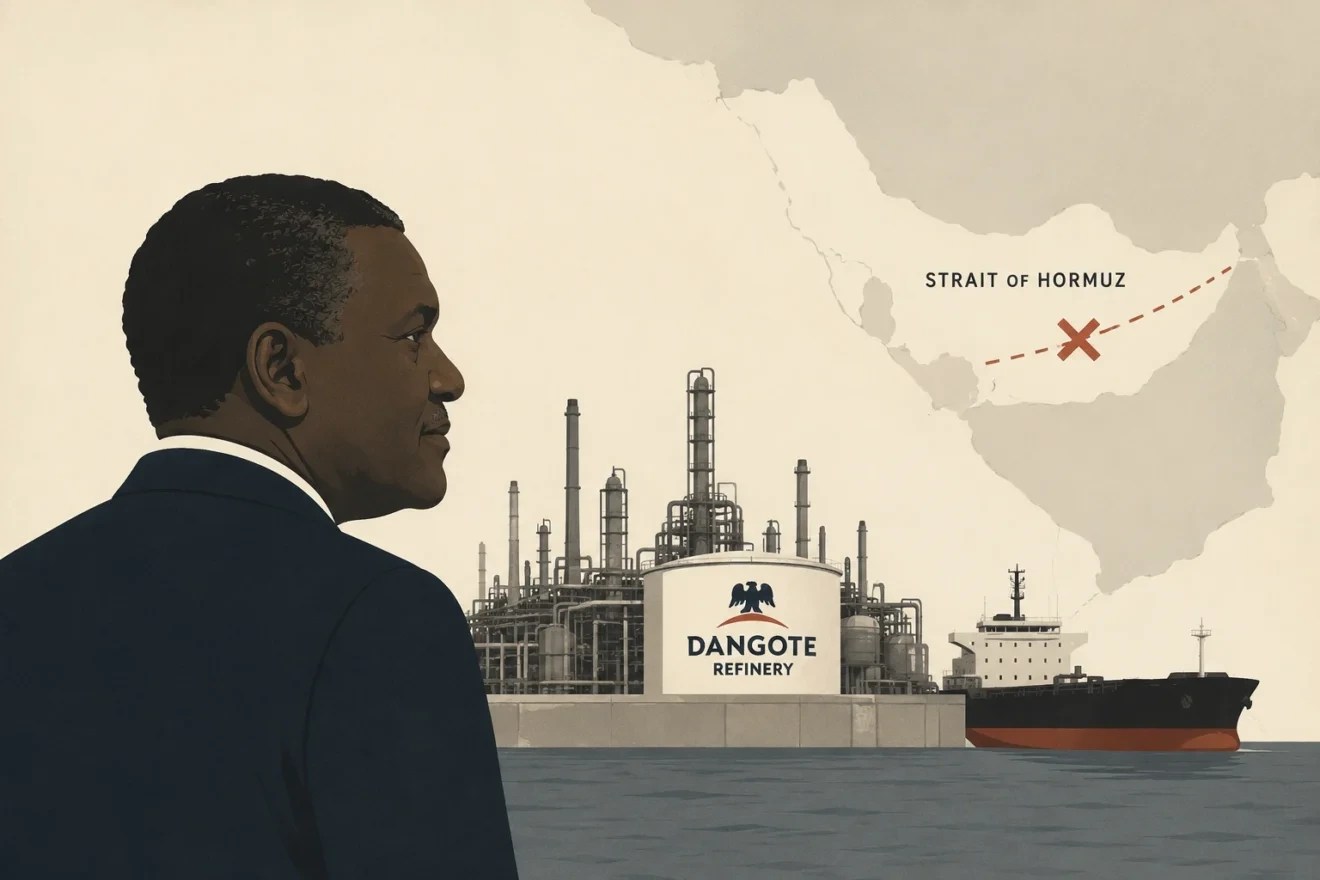
Banwo & Ighodalo has been announced as the Solicitors behind Dangote Refinery’s historic IPO involving 4.1 billion shares, an offer price of N525 per share and as much as N2.15 trillion to be raised.
The assignment places the firm at the legal heart of what is set to become Africa’s largest-ever initial public offering scheduled to open on September 14 and close on October 13, with trading expected to commence in November.
For Banwo & Ighodalo, however, the Dangote mandate is not an arrival at the top of the Nigerian capital market. It is the latest chapter in a career spent building the legal infrastructure for large corporate transactions.
Banwo & Ighodalo Origin
The firm’s story began in February 1991, when Asue Ighodalo and Femi Olubanwo established the practice with the ambition of building a first-class Nigerian commercial law firm.
More than three decades later, Banwo & Ighodalo has grown into a large Nigerian practice with expertise spanning capital markets, corporate finance, mergers and acquisitions, energy and natural resources, project finance, litigation, intellectual property and international trade.
Asue Ighodalo: The capital-markets lawyer
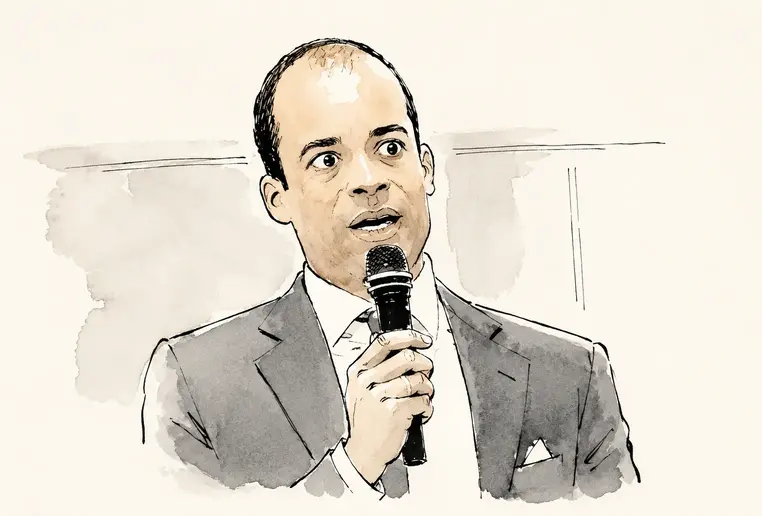
Asue Ighodalo is perhaps the more publicly recognisable of the two founders having been an economist before becoming a lawyer.
Ighodalo studied Economics at the University of Ibadan before proceeding to the London School of Economics, where he obtained an LL.B. He was called to the Nigerian Bar in 1985. Before establishing Banwo & Ighodalo, he worked as an associate at Chris Ogunbanjo & Co.
Banwo & Ighodalo describes Ighodalo as having particular strength in complex negotiations and capital-markets, project-finance and international-finance transactions. His understanding of economics, the firm says, has helped him balance legal requirements with the commercial realities of billion-dollar transactions.
Ighodalo has also operated beyond the legal profession. He has served in leadership positions in Nigerian business organisations, including as chairman of the Nigerian Economic Summit Group, and has held board positions across corporate Nigeria. He was also PDP candidate for Edo State governorship in the 2023 general elections.
Femi Olubanwo: The other half of the founding partnership
Femi Olubanwo, one of the firm’s founding partners studied law at the University of Lagos and was called to the Nigerian Bar in 1982. He subsequently became closely associated with banking and finance, corporate transactions, mergers and acquisitions, project finance, capital markets and restructuring.
His professional interests also extended into intellectual property and technology. He currently heads Banwo & Ighodalo’s Intellectual Property & Technology practice, while maintaining experience across banking, finance, M&A, project finance, capital markets and corporate restructuring.
Olubanwo has also been involved in public-sector economic reform. He served on the Solid Minerals Sector Steering Committee of the Bureau of Public Enterprises and participated in government initiatives concerning economic-sector reform and regulatory governance.
Journey to Becoming capital-markets Heavyweight
Banwo & Ighodalo’s early ambition was straightforward: build a Nigerian law firm capable of handling sophisticated transactions to international standards.
Its capital-markets practice has participated in equity offerings, rights issues, public offers, bond transactions, Eurobonds, private placements and other major financing exercises. The firm highlights several Nigerian capital-market “firsts”, including the first public offer by a Nigerian telecommunications company through a digital platform, MTN Nigeria’s Primary Offer; the first Global Depositary Receipts issued by a Nigerian company, by Guaranty Trust Bank; and the first GDR by a Nigerian bank listed on the London Stock Exchange’s Professional Securities Market, by Diamond Bank.
Banwo & Ighodalo’s Role in Dangote Refinery IPO
For a public offering, the solicitor helps construct the legal framework through which the company presents itself to investors. That includes the company’s corporate structure, regulatory compliance, disclosures, contracts and the legal risks that have to be identified and addressed before investors can be invited to subscribe.
At the scale of Dangote Refinery, that responsibility becomes considerably more complex as Dangote Refinery is unlike most companies coming to the Nigerian Exchange.
The refinery cost about $20 billion to build and has transformed Nigeria’s position in the petroleum-products market. It has reached a tested production capacity of about 700,000 barrels per day and is planning to spend another $14.3 billion to double capacity to 1.4 million barrels per day by 2029.
The refinery has also undergone a dramatic financial transformation. It reported an after-tax profit of $1.82 billion in the first half of 2026, compared with a $476 million loss for the whole of 2025.
Investors are therefore not simply being offered shares in an operating company. They are being invited to participate in one of the largest industrial projects ever built in Africa, at a moment when the refinery is expanding production, exporting petroleum products and preparing for another multibillion-dollar investment cycle.
The legal advisers have to translate that complicated industrial story into a structure that can withstand regulatory scrutiny and be understood by public investors.
Banwo & Ighodalo has long advised clients in oil and gas, power and natural resources, including transactions involving energy assets, financing, acquisition and divestment, engineering and construction and other parts of the energy value chain. Its capital-markets practice, meanwhile, has dealt with the securities and financing structures through which major Nigerian companies raise money.

The firm is not merely advising a Nigerian company on an unusually large transaction. It is participating in the legal machinery through which a private industrial asset of continental significance is being converted into a publicly owned Nigerian company.
For Ighodalo and Olubanwo, the refinery IPO is therefore a striking bookend to the vision with which they started in 1991: building a Nigerian commercial law practice capable of standing behind transactions of international scale.