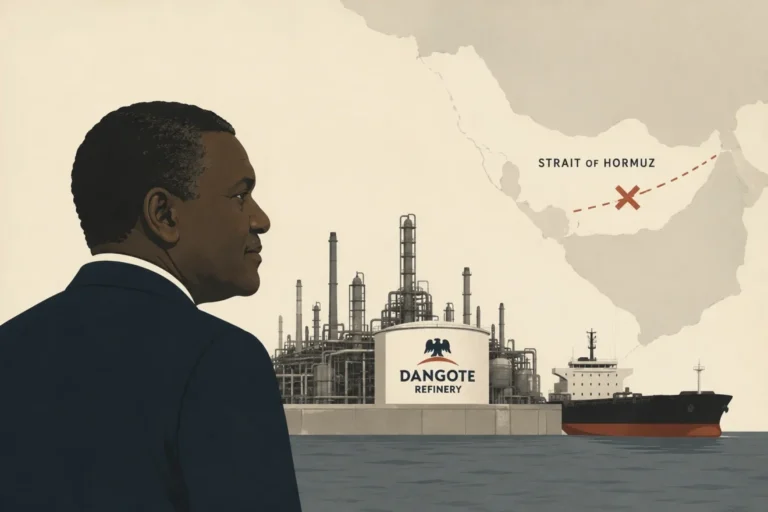
As Dangote Petroleum Refinery prepares for a possible stock-market listing, the men and women around its boardroom table are becoming almost as important to investors as the sprawling refinery itself.
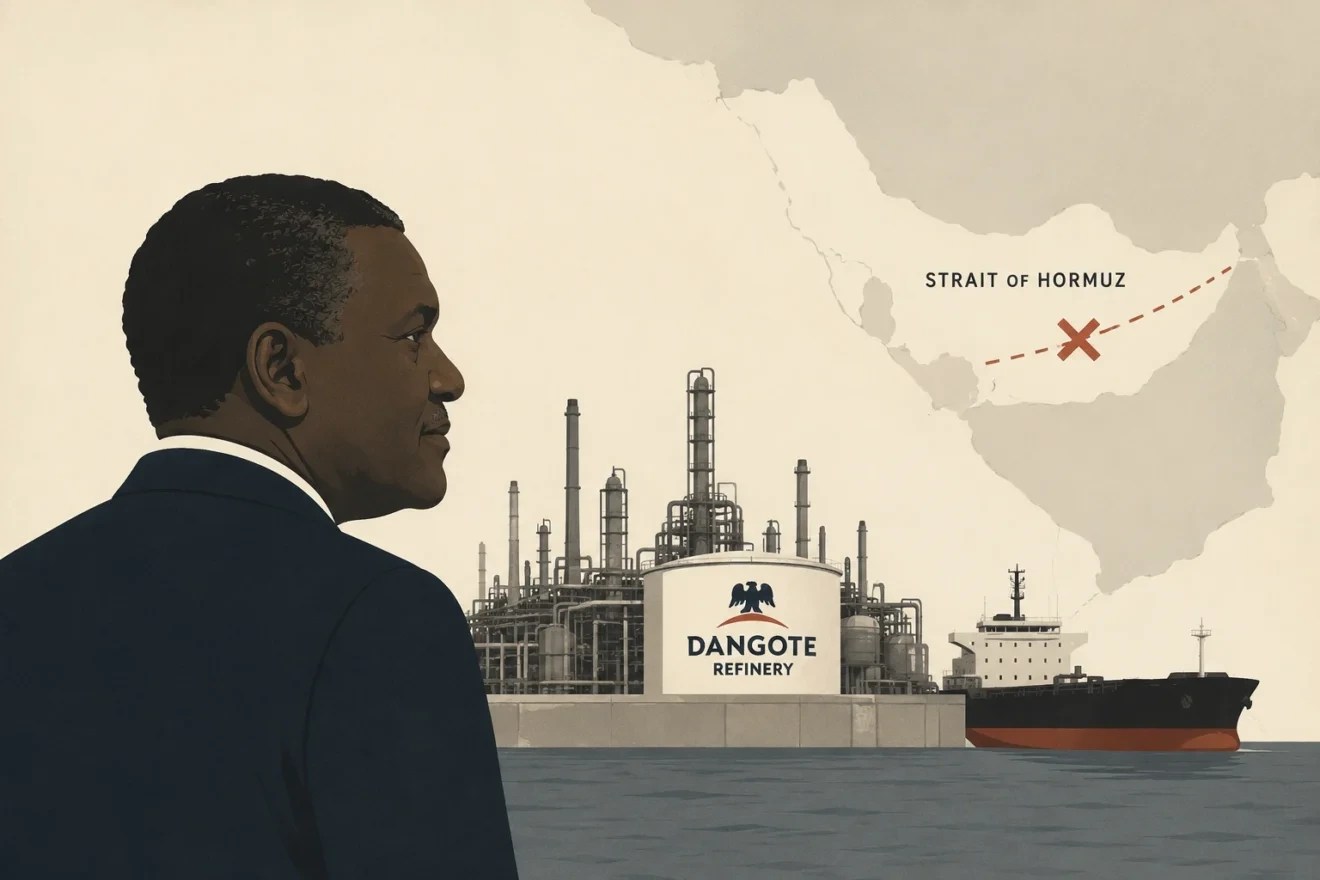
The 650,000-barrel-a-day refinery in Lekki has already altered the structure of Nigeria’s downstream petroleum market. It was built at a cost of about $20 billion and is designed to process enough crude to meet Nigeria’s domestic demand for refined petroleum products while exporting substantial volumes to other markets.
Now, with the company moving towards an initial public offering, attention is shifting from engineering and production to ownership, governance and the people charged with overseeing one of Africa’s most valuable industrial assets.
Dangote Petroleum Refinery’s website currently lists a ten-member board. It combines members of Aliko Dangote’s family and long-serving Dangote Group executives with former senior oil-industry executives, a prominent corporate lawyer and an international investment professional. The composition offers an indication of how Africa’s richest businessman has chosen to govern his largest and most strategically important investment.
Aliko Dangote — President/Chief Executive, Dangote Industries Limited
Aliko Dangote is the founder and controlling figure behind the refinery and the wider Dangote industrial empire. The Nigerian billionaire built his fortune by moving from commodity trading into domestic manufacturing, eventually creating businesses spanning cement, sugar, salt, fertiliser and petroleum refining.
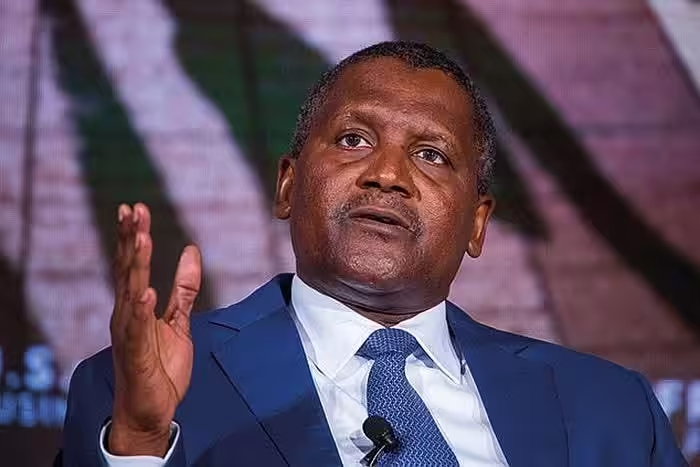
The refinery is his most ambitious industrial project. It is also qualitatively different from the cement business that made him Africa’s richest man: it operates in global commodity markets, depends heavily on crude supply and sophisticated trading operations and sits at the centre of Nigeria’s politically sensitive petroleum economy. As the refinery approaches the public markets, Dangote’s role therefore sits at the intersection of controlling shareholder, industrial strategist and board-level steward.
Olakunle Alake — Director
Olakunle Alake is one of the longest-serving senior executives within the Dangote organisation. An accountant by training, he has held senior financial and operational positions across the group and has served as Group Managing Director of Dangote Industries Limited.
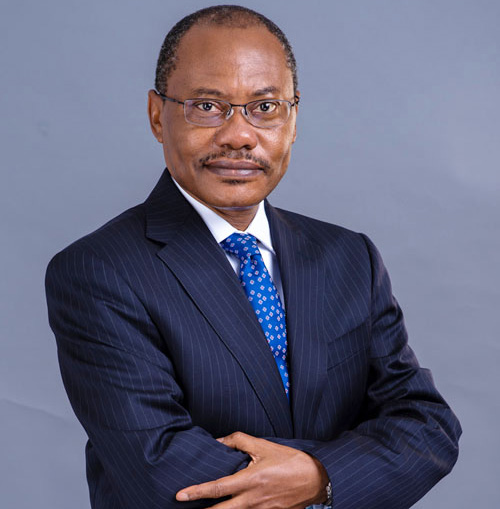
His presence on the refinery board provides institutional continuity between the refinery and the wider conglomerate. That is important because the refinery is not an isolated asset: its financing, logistics, procurement and strategic direction have developed within the broader Dangote industrial system.
Devakumar Edwin — Director
Devakumar Edwin is among the executives most closely associated with the development of the Dangote Group’s large industrial projects. An engineer by training, he has spent decades within the group and has played senior roles in the development and operation of its cement, fertiliser and refinery businesses.

At the refinery, Edwin has been one of the most visible senior executives explaining the project’s economics, construction and operating strategy. His board membership gives the company deep institutional and project-development experience at a time when the refinery is still ramping up production and expanding its international commercial footprint.
David Bird — Director and Chief Executive Officer
David Bird brings international refining experience to a board otherwise heavily rooted in the Dangote organisation and Nigeria’s petroleum industry. He was appointed Chief Executive Officer of Dangote Petroleum Refinery in 2025.
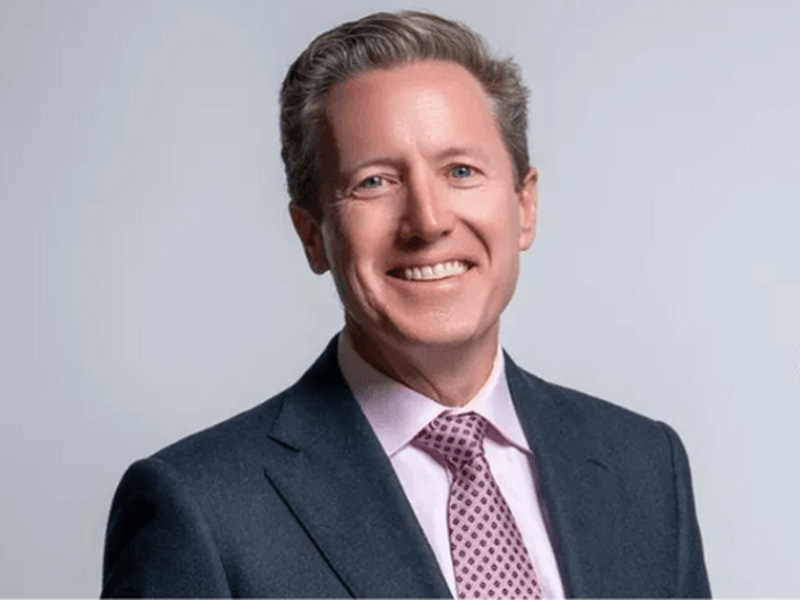
Bird previously held senior positions at Shell and later served as chief executive of OQ8, the large Duqm refinery joint venture in Oman. His appointment was significant because it placed the day-to-day leadership of the refinery in the hands of an executive with experience operating complex refining assets outside Nigeria.
For prospective public-market investors, Bird is particularly important. The refinery has moved beyond the construction story. Its valuation will increasingly depend on operational reliability, utilisation rates, margins, feedstock optimisation and the ability to sell products competitively into Nigerian, African and international markets.
Fatima Aliko-Dangote — Director
Fatima Aliko-Dangote represents both the next generation of the controlling family and an increasingly important part of the group’s oil-and-gas management structure. She has held executive responsibilities within Dangote Industries and has been associated particularly with the group’s commercial activities in oil and gas.
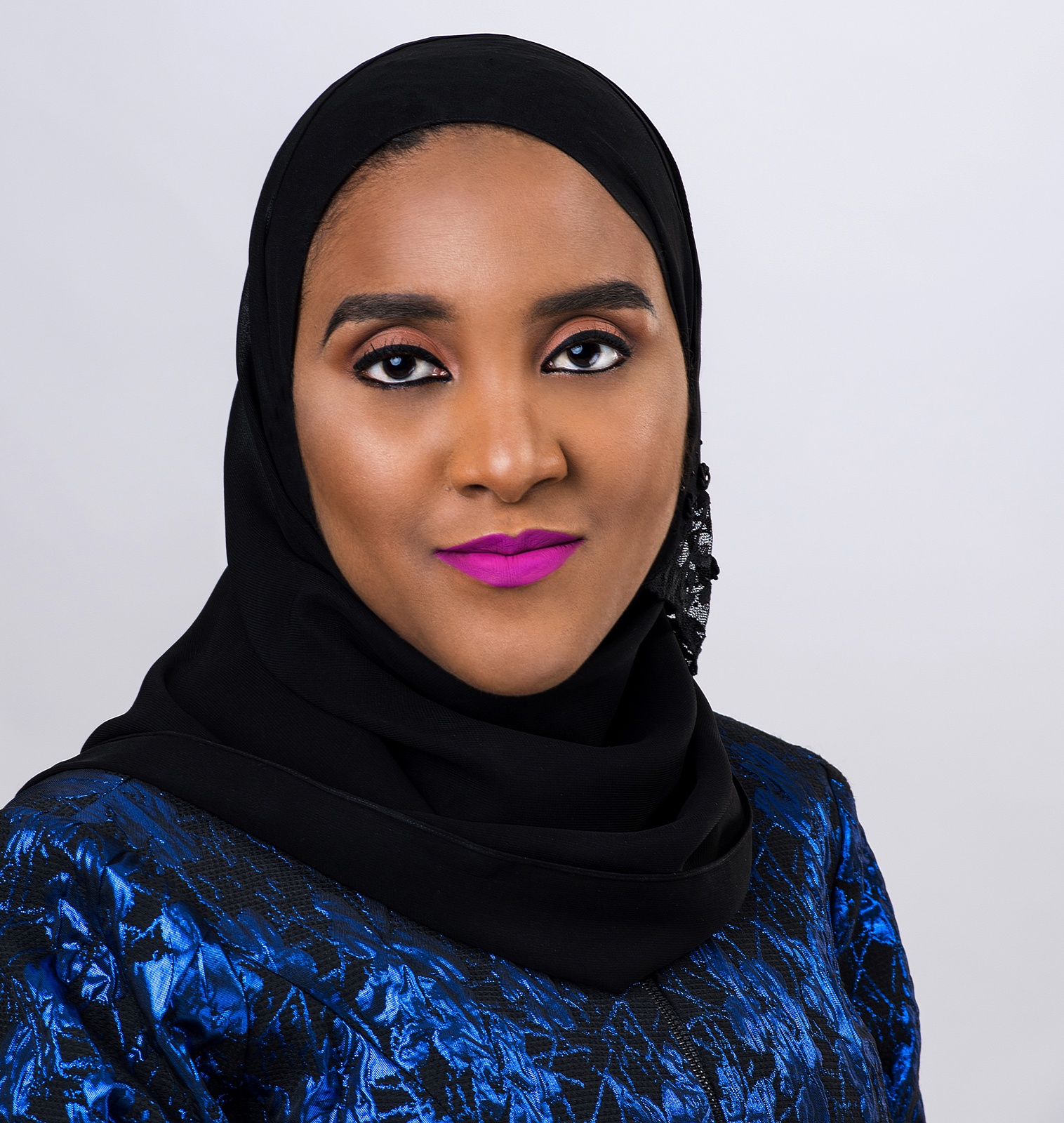
Her presence highlights an important governance feature of the company: although Dangote Petroleum Refinery employs experienced professional managers, it remains ultimately a family-controlled enterprise. A listing would therefore introduce outside shareholders into a company in which the founding family is likely to retain substantial influence.
Aliyu Suleiman — Director
Aliyu Suleiman has held senior strategy and business-development responsibilities within the Dangote Group and has been closely involved with the refinery’s commercial development.
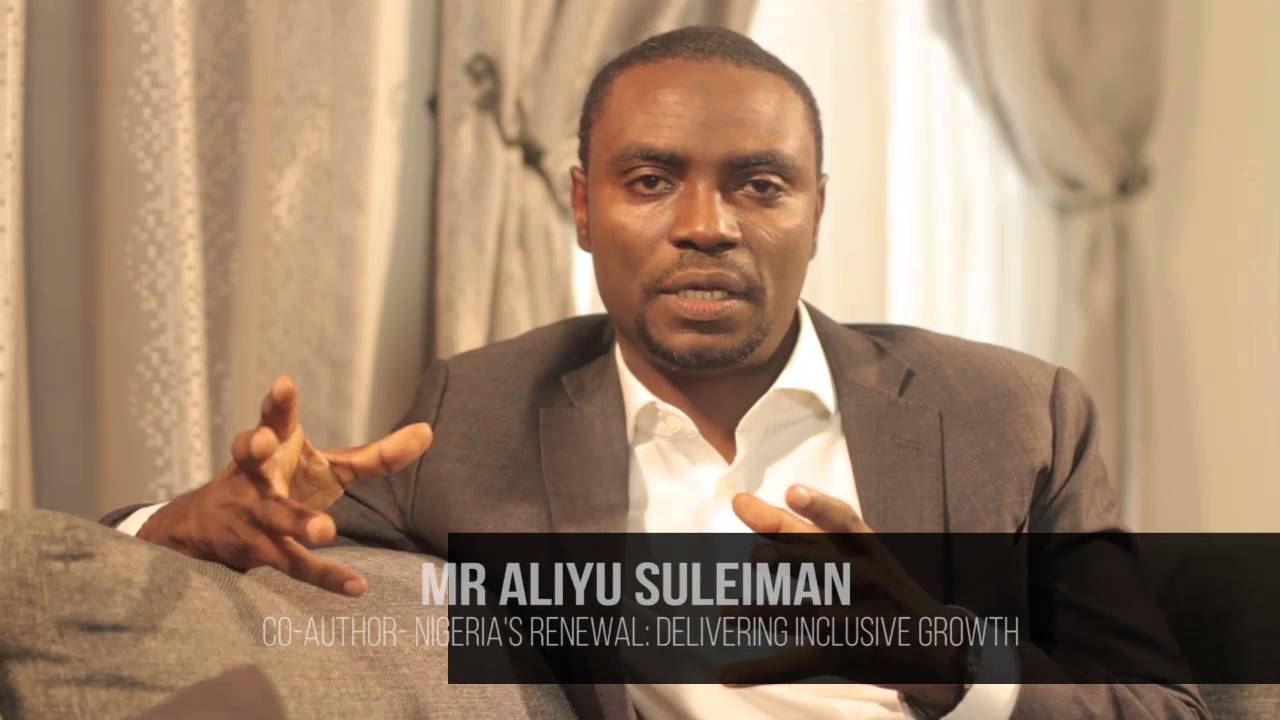
That experience matters as the refinery transitions from a giant capital project into a fully commercial operating company. The strategic challenge is no longer simply to complete the plant, but to secure crude competitively, maximise refinery yields, develop domestic distribution and export channels and manage relationships with regulators, suppliers and customers.
A.B. Mahmoud, SAN — Director
Abubakar Balarabe Mahmoud, SAN, adds legal and corporate-governance experience to the board. A former President of the Nigerian Bar Association, Mahmoud is one of Nigeria’s best-known commercial lawyers and has extensive experience advising corporations and public institutions.
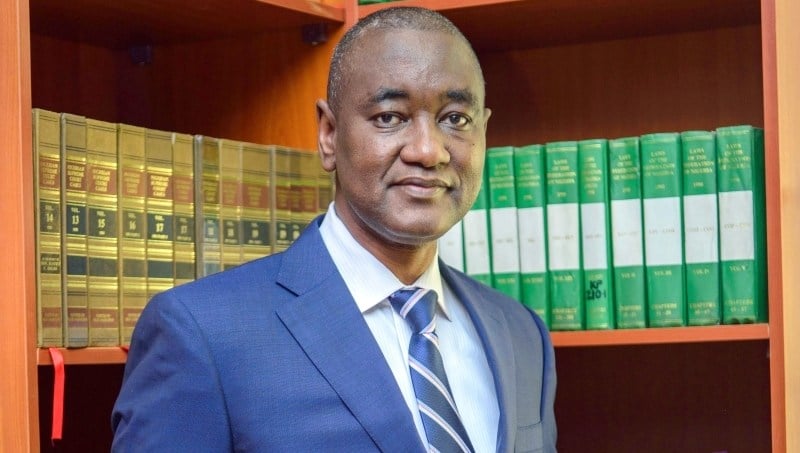
His presence becomes more consequential as the refinery moves towards a listing. Public companies face substantially greater obligations around disclosure, related-party transactions, minority-shareholder protection and board accountability than privately controlled businesses. A board preparing for that transition requires more than industrial expertise.
Mutiu Sunmonu — Director
Mutiu Sunmonu brings perhaps the clearest conventional oil-major operating pedigree to the board. He spent decades at Shell and served as Managing Director of Shell Petroleum Development Company of Nigeria and Country Chairman of Shell Companies in Nigeria.
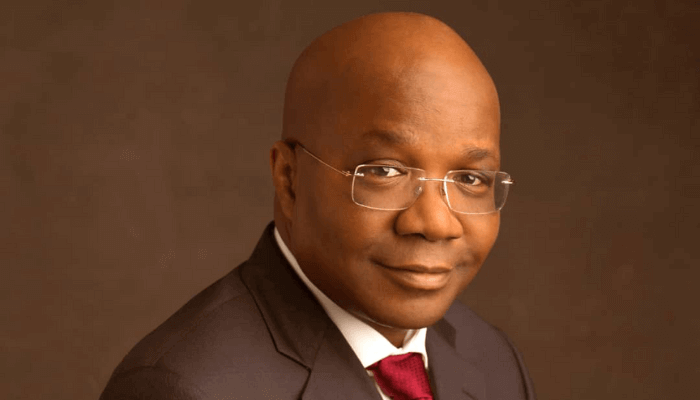
His career gives the board experience in upstream operations, major-project management and the regulatory and commercial complexities of Nigeria’s petroleum sector. That is especially relevant because one of the refinery’s central challenges has been securing reliable crude supply from Nigeria while simultaneously developing alternative international supply arrangements.
Adedapo Segun — Director
Adedapo Segun is listed by Dangote Petroleum Refinery as a member of its board. He is an experienced finance and energy executive who has held senior positions in Nigeria’s petroleum sector.
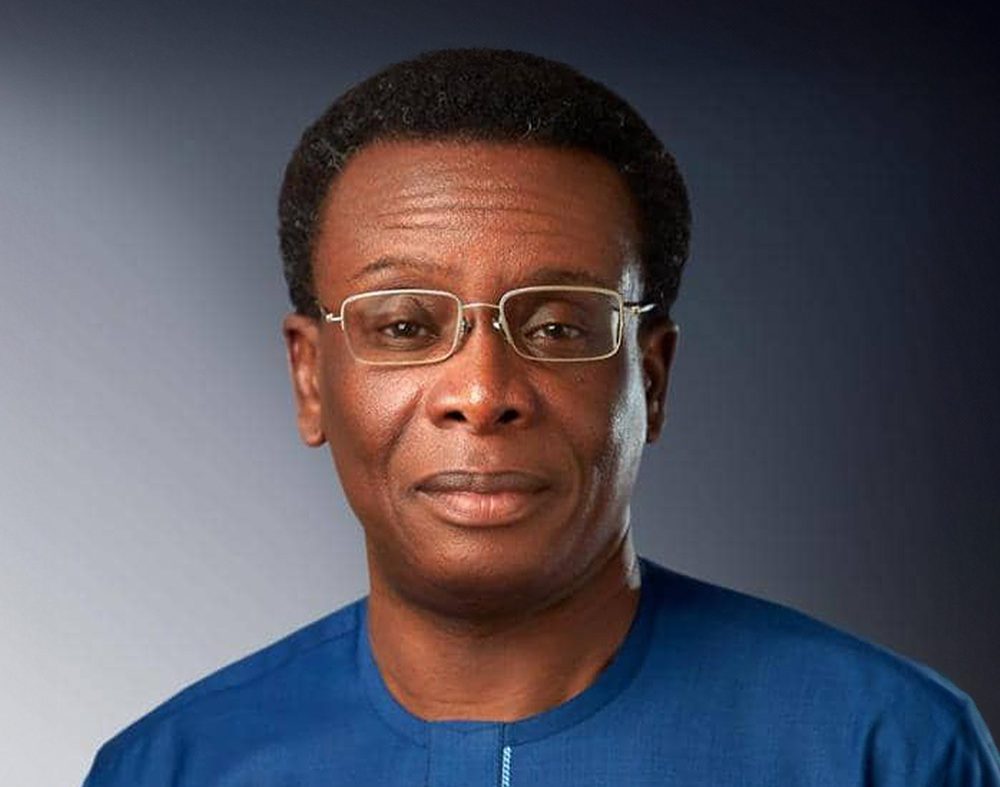
There is an important contemporary wrinkle to his profile. The Nigerian National Petroleum Company’s current leadership information identifies Adedapo A. Segun as its Chief Financial Officer and Executive Director. Given NNPC’s history as an investor and major commercial counterparty of the refinery, the continuing refinery-board listing deserves attention as the company prepares for greater public-market scrutiny.
Viswanathan Shankar — Director
Viswanathan Shankar gives the board an international investment and capital-markets perspective. The former Standard Chartered executive is the founder and chief executive of Gateway Partners, an investment firm focused on emerging markets.

His background is particularly relevant to the refinery’s next phase. Building a $20 billion industrial complex required project finance, shareholder capital and patient private investment. Operating as a listed company will require a different discipline: communicating with institutional investors, allocating capital against measurable returns and meeting the expectations of public-market shareholders.
A Board Built for an Industrial Giant — But the IPO Changes the Test
Taken together, the board reflects the history of the refinery itself. There is strong representation from the Dangote establishment, substantial engineering and industrial-project experience, oil-sector expertise and a smaller layer of legal and international financial-market competence.
That was a logical board for constructing and commissioning an extraordinarily complex privately controlled industrial asset. A public listing changes the governance test.
Investors considering shares in Dangote Petroleum Refinery will be interested not merely in whether its directors are accomplished. They will want to know how independent the board is from the controlling shareholder, how board committees are constituted, how related-party transactions within the wider Dangote Group are handled and what protections minority investors will receive.
Those questions matter particularly because the refinery sits inside a much larger industrial ecosystem controlled by Aliko Dangote. The commercial relationships between the refinery, other Dangote businesses and companies connected to the controlling shareholder will therefore attract considerably more scrutiny once outside shareholders are invited in.
The board nevertheless contains a formidable range of relevant experience. Edwin and Alake provide decades of institutional knowledge of the Dangote organisation. Bird and Sunmonu bring international oil and refining experience. Mahmoud contributes legal and governance expertise. Shankar provides emerging-market investment and capital-markets experience. Fatima Aliko-Dangote represents the controlling family’s next generation, while Aliko Dangote remains the architect and ultimate strategic force behind the enterprise.
The next stage will test whether that combination can make the transition from governing Africa’s biggest privately financed industrial project to overseeing one of its most closely watched public companies.
.