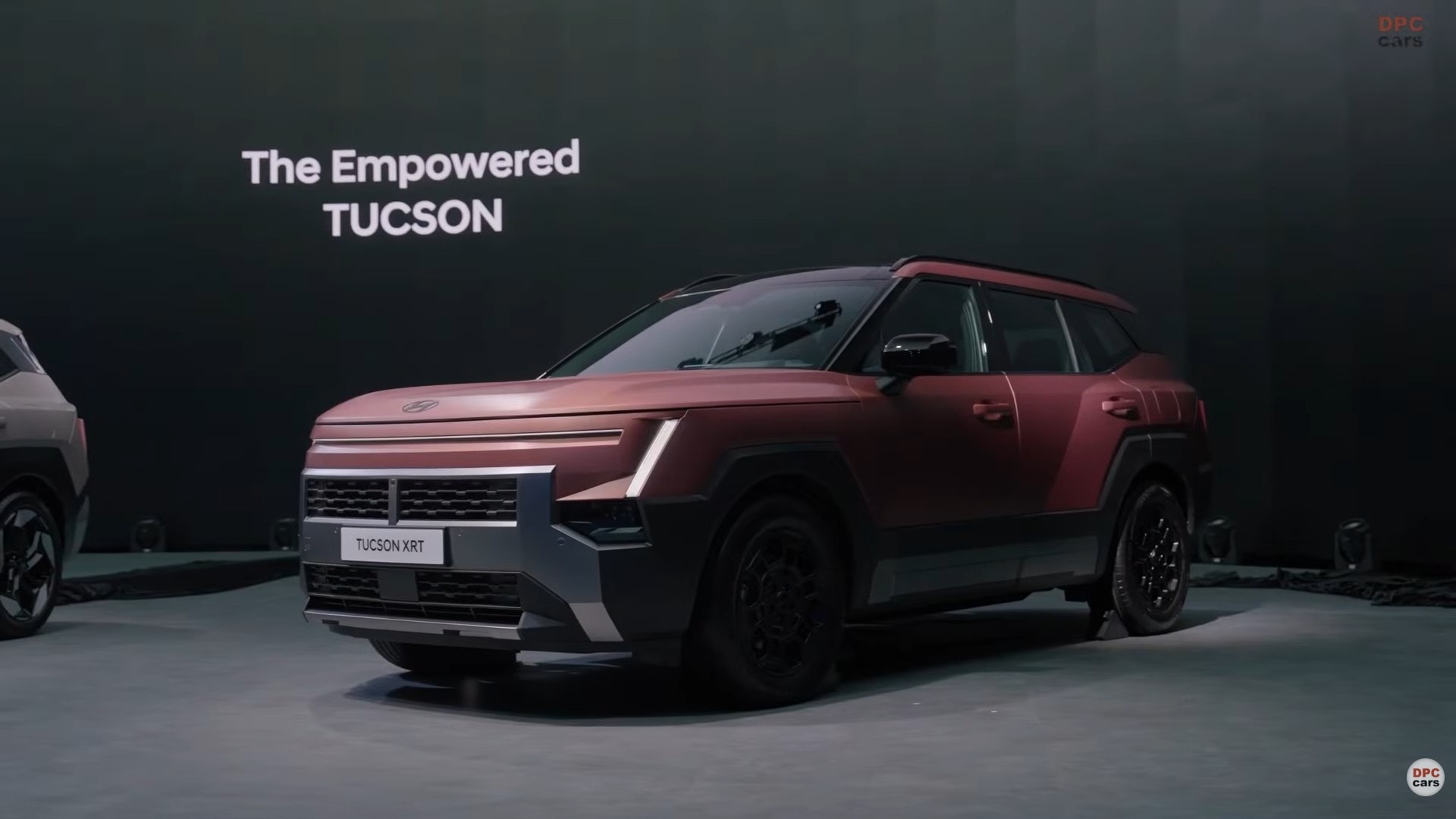
Hyundai Motor is preparing to introduce a redesigned Tucson sport utility vehicle in South Korea next month, bringing a new generation of one of its global best-selling models to market with changes to its powertrain options, cabin technology, safety equipment and exterior design.
The South Korean automaker confirmed the October domestic launch on Sunday, September 20, as it continues to expand its hybrid vehicle offerings.
The new Tucson will be available with a 1.6-litre turbocharged petrol engine or a 1.6-litre turbocharged petrol-hybrid system.
The launch marks the arrival of the fifth-generation Tucson, known internally as the NX5. The redesign comes six years after the previous generation was introduced.
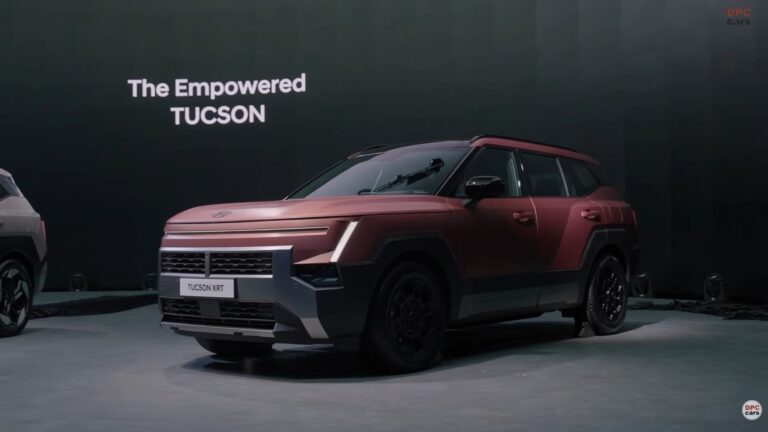
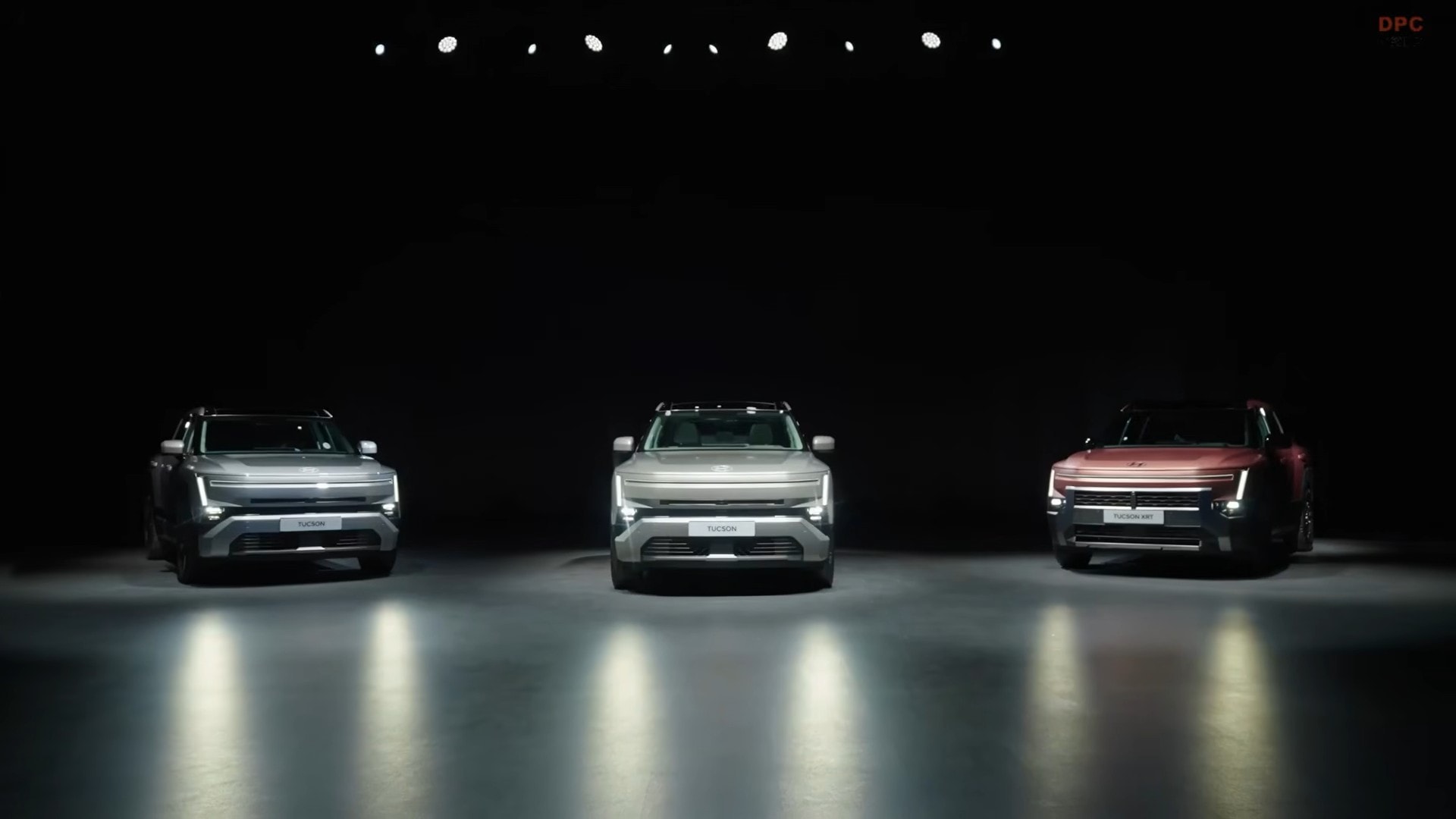
Hyundai has also presented the more rugged Tucson XRT to South Korean media, giving the off-road-inspired variant a prominent role in the new model’s introduction.
Hybrid powertrain and improved fuel economy
The new Tucson’s powertrain range includes a conventional turbocharged petrol engine paired with an eight-speed automatic transmission and a hybrid option combining a 1.6-litre turbocharged petrol engine with electric assistance.
Hyundai says the hybrid delivers fuel economy of 17.4 kilometres per litre in the domestic market. That figure is equivalent to approximately 5.7 litres per 100 kilometres, although real-world consumption will depend on driving conditions.
Additional specifications reported for the South Korean hybrid version put its combined output at 242 horsepower and 380 Nm of torque. Those figures represent increases of 11 horsepower and 12 Nm over the outgoing hybrid, according to the automotive report.
The reported performance improvements include a 0.3-second reduction in acceleration time, while fuel economy is estimated at around 41 miles per US gallon.
These figures relate to the South Korean-market configuration and should not be assumed to apply to versions eventually sold in Europe, North America or other regions. Hyundai has not provided a complete international specification in the announcement.
New design gives Tucson a more rugged appearance
The redesigned Tucson adopts Hyundai’s new “Art of Steel” design language, giving the compact SUV a more angular and muscular appearance than its predecessor.
The exterior features split headlights, front and rear lighting elements, prominent wheel-arch cladding and more substantial body detailing. The changes are intended to give the vehicle a tougher appearance while distinguishing it from the outgoing model.
Hyundai has also increased the vehicle’s dimensions. The new Tucson is 60 millimetres longer and 40 millimetres wider, while its wheelbase has grown by 30 millimetres.
The wider rear-door opening, which extends to 83 degrees, is designed to make access to the rear seats easier.
Despite its more substantial appearance, Hyundai says the new model is more aerodynamic. Its drag coefficient has fallen from 0.33 to 0.30, while additional sound insulation, thicker glass and revised engine and transmission mounts are intended to reduce noise and vibration inside the cabin.
Tucson XRT adds off-road-inspired styling
The Tucson XRT brings a more rugged treatment to the fifth-generation model, with exterior features that distinguish it from the standard version.
Its changes include a redesigned grille, a prominent front skid plate, additional black protective-style cladding around the wheel arches, bumpers and doors, and black wheels carrying XRT lettering.
The variant also receives a model-specific rear bumper and another skid plate. The HTRAC badge on the tailgate identifies its all-wheel-drive configuration.
Hyundai has extended the distinctive treatment into the cabin. The XRT features exclusive seat upholstery, protective floor mats and darkened interior trim. Some of its exterior detailing also incorporates a pattern inspired by forged carbon.
The XRT’s styling is intended to appeal to buyers seeking a more adventurous-looking SUV, although the available information does not establish any additional off-road performance figures beyond its all-wheel-drive configuration.
New infotainment system brings generative AI
Inside, the Tucson receives a substantially redesigned dashboard and cockpit.
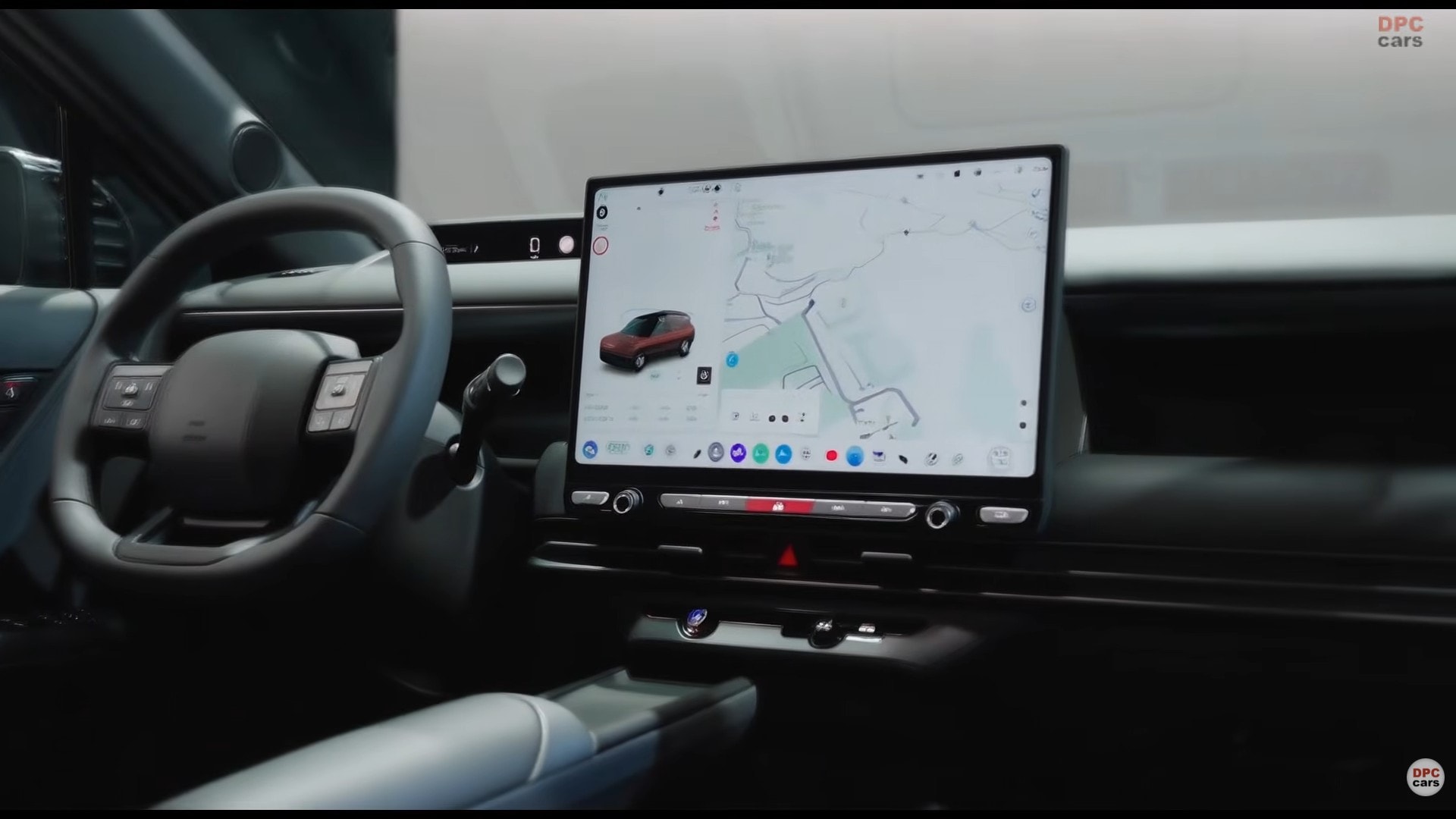
One of the most notable changes is the introduction of Hyundai’s Pleos Connect infotainment system, which makes its debut in a Hyundai SUV with the new model.
The system includes access to Gleo AI, a generative artificial intelligence agent. The central display measures 17 inches, replacing the previous generation’s dual-screen arrangement with a large central interface and a separate, slim instrument cluster.
The redesigned cabin reflects the growing importance of digital interfaces and connected services in the automotive market, where manufacturers are increasingly using software and in-car technology to differentiate their vehicles.
Hyundai has not yet disclosed the full range of Gleo AI functions available in the Tucson or whether all features will be offered in every market.
New safety technology targets collision-related failures
The redesigned Tucson also introduces a safety feature intended to preserve access to the vehicle after a collision.
Hyundai says the SUV incorporates a redundant power supply system for door unlocking. The technology uses backup power to maintain the door-unlocking function if the main electrical supply is interrupted in a crash.
The company says this is the first time it has applied the technology to one of its vehicles.
The feature addresses a specific concern in vehicle safety: ensuring that doors can still be unlocked when a collision damages or disables the primary electrical system.
October launch comes before international pricing details
Hyundai plans to begin selling the new Tucson in South Korea next month, with domestic pricing expected to be disclosed closer to the market launch.
The company has not yet provided complete pricing and specification details for other markets. The South Korean hybrid’s performance and fuel-economy figures should therefore be treated as market-specific rather than as confirmed specifications for international versions.

The launch will introduce a substantially redesigned Tucson with a broader combination of electrified powertrain technology, updated cabin software and more pronounced styling differences between the standard SUV and the XRT variant.
For buyers outside South Korea, the timing of local availability, final specifications and pricing remains dependent on Hyundai’s subsequent market announcements.