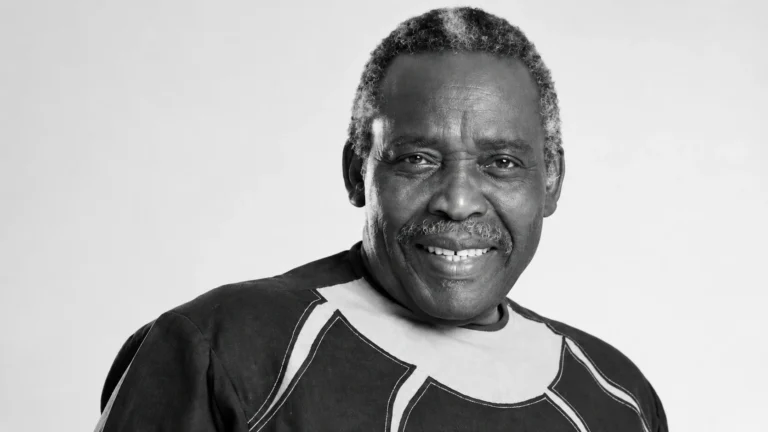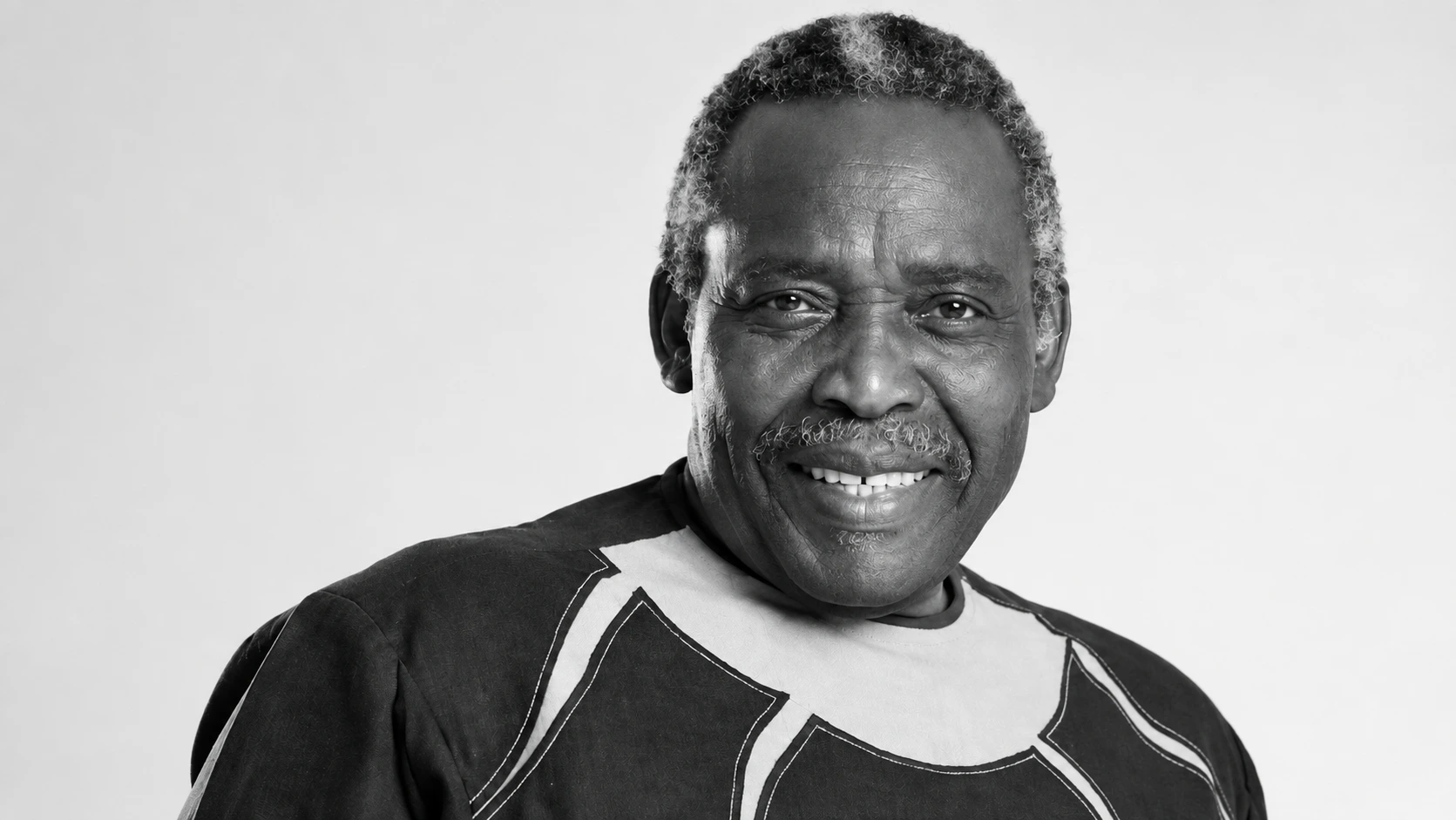
Born Oludotun Baiyewu Jacobs in Kano in 1942, Olu Jacobs developed an interest in performance at an early age before travelling to Britain to study acting at the Royal Academy of Dramatic Art (RADA) in London. His professional career began on the British stage in the early 1970s, followed by appearances in British television productions and international films. His international credits included The Dogs of War, Baby: Secret of the Lost Legend and Roman Polanski’s Pirates.
That background became particularly significant when Jacobs returned to Nigeria around 1990. By then, Nigeria’s film and television industry was undergoing a major transformation. Television drama had already produced prominent actors, while the video-film boom that would eventually become synonymous with Nollywood was beginning to create a mass market for locally produced stories.
Jacobs entered this environment with something relatively unusual: extensive professional training and experience across theatre, television and international film.
Bringing Professional Theatre Experience into Nollywood
Olu Jacobs was among those who brought acting discipline to Nigerian screen productions as his experience in British theatre had exposed him to rigorous rehearsal, character development, voice projection, movement and textual interpretation. His television experience, meanwhile, required a different kind of precision—understanding camera performance, timing and the demands of episodic storytelling.
When these skills were transferred to Nigerian productions, Jacobs became part of a generation of actors who helped demonstrate that Nollywood performances could combine commercial accessibility with the discipline associated with professional theatre.
He became particularly effective in roles requiring authority: fathers, traditional rulers, kings, businessmen, politicians, community leaders and patriarchs. Rather than simply playing characters with social status, he developed a screen persona capable of communicating power through voice, posture, restraint and dialogue.
His voice and delivery, in particular, became recognizable characteristics of his performances. Jacobs could play an imposing character without relying exclusively on physical aggression. A pause, change in tone or measured line delivery could establish authority.
Nollywood Pioneer
Olu Jacobs belonged to an older generation that had roots in theatre and television but became a major screen presence during the expansion of Nollywood. This placed him alongside actors such as Pete Edochie, Justus Esiri, Olu Jacobs, Zack Orji, Sola Sobowale and others whose careers helped establish the credibility of Nigerian screen acting.
His later work also placed him alongside younger generations of Nollywood actors with his career providing a useful illustration of Nollywood’s transition from the early home-video era to a more professionalised film industry.
Before becoming a major Nigerian screen actor, he had already worked in Britain and appeared in international productions. This meant that his presence in Nigerian films was not that of an actor entering the international arena for the first time. He was bringing an established international résumé back into Nigerian filmmaking.
During Nollywood’s early expansion, audiences often followed actors as much as they followed individual productions. Recognisable performers became part of a film’s commercial appeal.
Jacobs’ name became associated with a particular level of performance. Producers could cast him as a father, king, chief executive, politician or wealthy patriarch and audiences immediately understood the type of dramatic authority his presence was likely to bring to the story.
Broad Filmography
Jacobs’ Nigerian filmography stretches across several generations of Nollywood. He appeared in films including Dancing Heart, Adesuwa, Dry, Oloibiri and The Royal Hibiscus Hotel, among numerous other productions.
His roles were not confined to conventional commercial dramas. He participated in films dealing with family relationships, traditional institutions, politics, social problems and contemporary Nigerian life.
In Oloibiri, for example, the broader story engages with the consequences of oil exploitation and the history of Nigeria’s petroleum-producing communities. His participation in films such as Dry also placed him within productions dealing with serious social issues.
This range helped prevent his career from becoming defined solely by the stereotypical “Nigerian father” or “king” roles for which he became famous.
Marriage to Joke Silva
Jacobs’ contribution to Nollywood is also closely connected to his partnership with actress Joke Silva as the two became one of the most prominent couples in Nigerian theatre and film.
They established the Lufodo Group, which became involved in areas including film production and distribution, and the Lufodo Academy of Performing Arts and through Lufodo, Jacobs and Silva contributed to the professional development of performers and other practitioners in the Nigerian creative sector.

Jacobs became one of the industry’s enduring veteran figures as his continued appearance in major productions helped normalise the idea that experienced actors could remain commercially and artistically relevant as they aged.
Awards and Recognition
His contribution has been recognised by the Nigerian and African film industries. He won the Africa Movie Academy Award for Best Actor in a Leading Role in 2007. He subsequently received major industry recognition, including an Industry Merit Award at the Africa Magic Viewers’ Choice Awards and a Lifetime Achievement Award from the Africa Movie Academy Awards.