Hundreds of Nigerian women and children have been caught in a cycle of human trafficking, sexual exploitation, arbitrary detention and abuse in Libya, with some victims ending up in detention after escaping traffickers who had forced them into prostitution or other forms of exploitation.
The plight of Nigerian women in Libya has continued to draw concern from Nigerian lawmakers, international organisations and human-rights groups, amid persistent reports of torture, sexual violence, forced labour and poor conditions in detention facilities.
In October 2025, the Nigerian Senate called on the Federal Government to urgently secure the release and repatriation of Nigerian women and their children held in Libyan prisons.
The resolution followed a motion sponsored by Senator Aniekan Bassey, who raised concerns over trafficking, slavery and other human-rights abuses affecting Nigerians who use Libya as a route to Europe. Senator Natasha Akpoti-Uduaghan also called for Nigerian authorities to work with their Libyan counterparts to facilitate the release and return of female Nigerian inmates, including children born in detention.
How Nigerian Women Become Trapped in Libya
For many victims, the ordeal begins in Nigeria with promises of employment and a better life abroad. Traffickers and unlicensed agents have been known to promise young Nigerians jobs in Libya, Europe or elsewhere, exploiting unemployment, poverty and the desire to earn money.
Human Rights Watch has documented cases involving Nigerian women who were promised legitimate employment in Libya but were subsequently forced into prostitution. In one case, a woman who believed she was travelling to work as a domestic worker was instead forced to have sex with clients and was held against her will.
The US State Department has also previously documented the exploitation of Nigerians in Libya in forced labour, construction, agriculture and prostitution. Traffickers have reportedly operated so-called control houses and prostitution camps, while some victims have been forced to repay inflated travel debts before being allowed to leave.
For some women, escaping their traffickers does not end the ordeal.
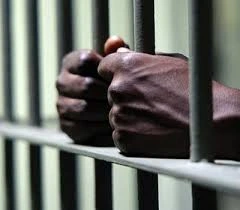
Instead, migrants without valid documents can be arrested during security raids and placed in detention facilities, where trafficking victims may remain unidentified and without adequate access to legal assistance or protection.
Sexual Violence and Abuse in Detention
Conditions in some Libyan detention facilities have been repeatedly criticised by international organisations. A US State Department report on trafficking in Libya described overcrowding, inadequate sanitation, food shortages and limited access to medical care and legal assistance in detention facilities. It also raised concerns about the vulnerability of female detainees to sexual violence and exploitation.
In February 2026, the UN Human Rights Office said migrants in Libya were routinely subjected to violations including slavery, torture, ill-treatment, forced labour, forced prostitution, sexual violence, ransom demands and extortion. The UN described the situation as a system of exploitation involving migrants, asylum seekers and refugees in vulnerable circumstances.
The UN also documented the case of a Nigerian woman who was trafficked to Libya in 2021 and subjected to two years of forced sexual servitude in Tripoli. After a police raid, she was moved to a household in Zuwara, where she was allegedly subjected to forced domestic labour and denied freedom and wages. She eventually left Libya in February 2025.
Children Born Behind Bars
During the October 2025 Senate debate, Senator Natasha Akpoti-Uduaghan said some Nigerian women in Libyan detention had been sexually assaulted and become pregnant, resulting in children being born in custody.
The Senate subsequently called for the release and repatriation of the women and their children and urged Nigerian agencies to work with Libyan authorities to address the situation.
The lawmakers described the women as victims of multiple abuses — first at the hands of traffickers and subsequently within a detention system where they could face further violations.
The Senate also called for a broader protection and reintegration programme for Nigerians returning from Libya, including psychosocial support, vocational training and economic assistance.
In 2021, two Nigerian women who said they had been trafficked through Libya brought a case involving Italy and Libya before the UN Committee on the Elimination of Discrimination against Women.
The women argued that the two countries had failed to adequately protect them from trafficking and exploitation. Their case highlighted the wider problem of women being trafficked across borders and subsequently subjected to detention, violence and exploitation.
The UN has separately warned that Libya’s fragmented political and security environment has allowed trafficking networks and sexual exploitation of migrants and other vulnerable people to flourish.
Efforts to Bring Nigerians Home
Nigeria has continued to work with international organisations to repatriate stranded citizens from Libya. NiDCOM said more than 956 Nigerians were evacuated from Libya in the first quarter of 2025 through efforts involving the International Organization for Migration and the National Commission for Refugees, Migrants and Internally Displaced Persons.
Of those evacuated, 683 were women, 132 were men, 87 were children and 54 were infants. NiDCOM said the returnees arrived in six batches between January and March 2025.

The commission has repeatedly warned Nigerians against using Libya as a route to Europe, describing the journey as dangerous because of the country’s continuing political instability, armed conflict, trafficking networks and abuse of migrants.
A Nigerian woman rescued from Libya in 2025, Mercy Oluwagbenga, said she had been lured to the country with promises of better opportunities but subsequently spent more than a year working without pay and experiencing abuse.