The European Union has begun phasing out eight smoke-flavouring products after European food-safety regulators were unable to rule out potential genotoxicity risks, raising questions about the status of similar products used in Nigeria and whether the country’s food regulator has taken any corresponding action.
The European Commission decided in July 2024 not to renew the authorisation of eight smoke-flavouring primary products — SF-001, SF-002, SF-003, SF-004, SF-005, SF-006, SF-008 and SF-009 — following safety assessments by the European Food Safety Authority (EFSA).EFSA concluded that it could not rule out concerns about genotoxicity for any of the eight products assessed. Genotoxicity refers to the ability of a substance to damage genetic material, a concern because such damage can potentially contribute to cancer and other adverse health effects.
The EU has not banned every form of liquid smoke or all smoke flavourings worldwide but has refused to renew the authorisations of eight specified smoke-flavouring primary products.
The European Commission removed the affected products from the Union list of authorised smoke-flavouring primary products. However, it introduced transitional arrangements allowing the products to remain on the EU market for a limited period.
For food categories such as meat, cheese and processed fish, products containing the affected smoke flavourings can remain on the EU market under the phase-out arrangements until July 1, 2029. For other food categories, the transition for foods containing the affected products ended on July 1, 2026.
Smoke Flavouring
The development has renewed attention on smoke flavourings because they are increasingly used as an alternative to traditional smoking.
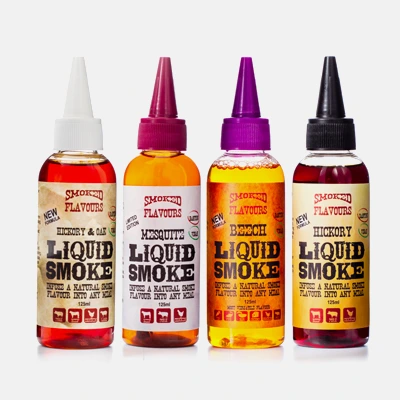
Smoke flavourings are produced from wood through pyrolysis and subsequent processing. They can be added to meat, fish and other foods like the traditional African jollof rice to create a smoky taste without exposing the food directly to conventional wood smoke. They are also used in products that are not traditionally smoked, including some soups, sauces and confectionery.
Current Regulations in Nigeria
Nigeria does not appear to have imposed a blanket ban on liquid smoke or smoke flavourings.
NAFDAC’s Food Additives Regulations 2019 establish a regulatory framework for food additives and require them to comply with prescribed standards and applicable conditions of use. The regulations also contain provisions governing the labelling of food additives and flavourings.
In fact, Nigeria’s existing food regulations have historically recognised the use of smoke flavouring in certain meat products. The regulations specifically refer to “smoke flavouring or artificial smoke flavouring” and require products containing them to carry declarations such as “Smoke Flavouring Added” or “Artificial Smoke Flavouring Added.”
NAFDAC’s current system requires regulated food products to be registered, and the agency maintains a Greenbook containing registered products. Its NAPAMS platform also allows consumers and businesses to verify food products using their NAFDAC registration numbers.
What is NAFDAC Doing About the EU Findings?
A review of NAFDAC’s publicly available regulations, guidance and online publications did not identify a public NAFDAC announcement specifically addressing the EU’s 2024 decision to withdraw the eight smoke-flavouring primary products, nor did it identify a publicly announced Nigerian ban or recall specifically linked to those eight products.
NAFDAC’s regulatory framework gives the agency powers over food safety, registration and compliance, and its current food-registration regulations provide mechanisms for suspension or cancellation of product registrations where regulatory requirements are not met.
“Liquid smoke” is a broad description covering different products and formulations. The EU regulatory action concerns eight specific smoke-flavouring primary products, not every product that might be marketed as liquid smoke.
However, there is the fear that if any of the eight EU-phased-out smoke flavouring products, or products containing them, are imported into Nigeria or used as ingredients by Nigerian food manufacturers, how would what NAFDAC identify them?

NAFDAC’s food-labelling guidance states that flavourings must be declared in the ingredient list using “flavouring(s)” or a more specific name or description.
This means consumers may not necessarily see the words “liquid smoke” prominently displayed on the front of a food package.