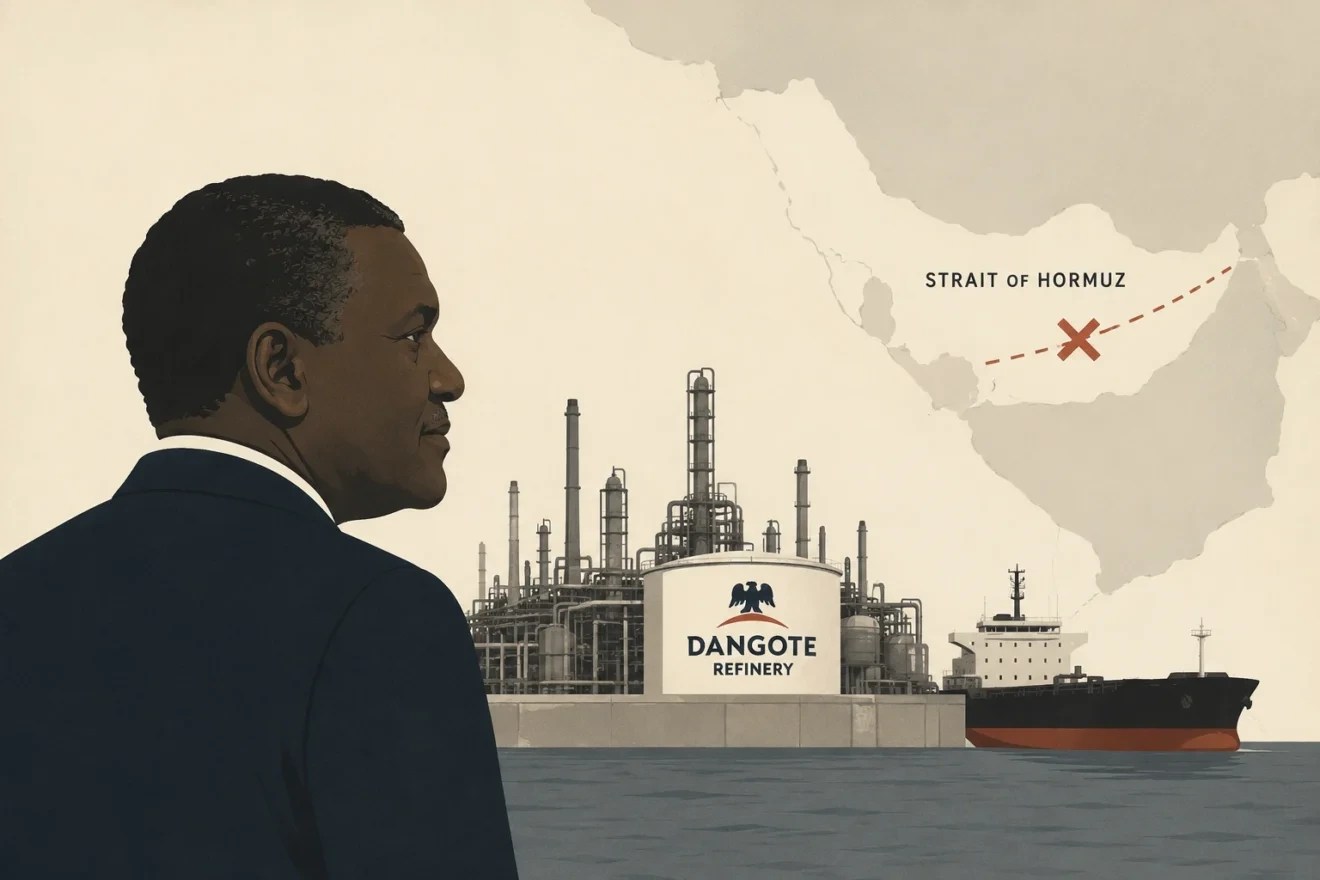
The Federal Government is considering changes to Nigeria’s crude oil allocation and pricing framework in an effort to make locally produced crude cheaper and easier for domestic refineries to obtain.
There are two major changes under consideration; the first would allow some crude producers, including companies affiliated with international oil companies, to sell directly to nearby Nigerian refineries rather than routing transactions through producers’ trading arms or other intermediaries.
The second would allow refiners that collect crude directly from production sites to receive discounts reflecting transportation and handling costs embedded in benchmark crude prices.
Why the Review is Being Done
The Crude Oil Refinery-owners Association of Nigeria, CORAN, has argued that the existing supply structure adds about $3 to $4 to the cost of each barrel acquired by domestic refiners.
The association attributes part of the additional cost to intermediaries and the involvement of producers’ trading arms in transactions between crude producers and Nigerian refineries.
For a refinery processing hundreds of thousands of barrels per day, a $3-$4 difference in the cost of crude can translate into millions of dollars in additional costs over a relatively short period.The proposed direct-sales model is intended to remove some of those layers.
Key Details of Proposal
Under the proposal, an oil producer could sell crude directly to a refinery located close to its production facilities. This would potentially eliminate some trading and logistical costs and reduce the amount a refinery ultimately pays for its feedstock.
The second proposal would go a step further by recognising the logistical savings when a refinery lifts crude directly at the production site.
Instead of paying a full benchmark-linked price that incorporates transportation and handling assumptions, a refinery collecting crude at or near the point of production could receive a corresponding discount.
The government is still considering the details, including how such discounts would be calculated and applied.
The proposed reforms howev do not amount to the abolition of Nigeria’s Domestic Crude Supply Obligation, or DCSO.
Nigeria’s Domestic Crude Supply Obligation
The DCSO contained under Section 109 of the Petroleum Industry Act provides the legal basis for requiring upstream producers to supply crude to domestic refineries.
The PIA, however, also says domestic crude supply is generally conducted on a “willing supplier and willing buyer” basis. It provides for commercial negotiation between upstream producers and licensed refineries, while empowering the Nigerian Upstream Petroleum Regulatory Commission to establish the domestic supply obligation and applicable mechanisms.
With regards to the latest proposal, the government can require producers to make crude available to local refineries, but the transaction still has to work commercially for both sides.
Domestic Crude Supply Improving
Latest NUPRC data reveal 53.7 million barrels of crude oil and condensate were supplied to Nigerian refineries between April and June 2026, representing 97.4% performance against the volume allocated for the quarter.
In Q1 2026, NUPRC reported that 61.9 million barrels had been allocated to domestic refineries but while producers offered 68.7 million barrels. Actual supply, however, was only 28.5 million barrels.
NUPRC said the improved DCSO performance was associated with increased domestic oil production and the signing of longer-term crude supply agreements backed by bankable sales and purchase agreements between producers and domestic refiners.
What Direct Sales Would Change
Under the proposed arrangement, an upstream producer could sell crude directly to a refinery close to its production operations. That could reduce the number of commercial entities involved in the transaction.
At present, crude can move through complex trading arrangements involving producers, affiliated trading companies, marketers, shipping companies and other intermediaries before reaching a refinery.
A direct producer-to-refinery transaction would simplify that chain making it easier for refiners to negotiate longer-term supply agreements directly with producers, reducing dependence on spot-market purchases.
For producers, the arrangement could provide a more predictable domestic market and for refiners, it could offer greater visibility over future feedstock availability.

For the government, it could make enforcement of the DCSO easier because actual commercial relationships would be more transparent.
The proposed discount for crude lifted directly at production sites could be even more significant because if a Nigerian refinery can collect crude closer to where it is produced, some of those costs associated with the oil supply chain are avoided.