The Managing Director of the Rural Electrification Agency (REA), Abba Aliyu, has disclosed that more than 85 million Nigerians, representing about 40% of the country’s population, still lack reliable access to grid electricity.
He disclosed this on Tuesday in Abuja during the signing of a Joint Development Agreement between the agency and Ecotech Development Nigeria Limited to establish a solar panel and battery assembly and manufacturing facility in Nigeria.
Aliyu described the agreement as a major milestone in Nigeria’s renewable energy drive, saying it marked the first time a Tier-1 Chinese renewable energy company had committed to setting up manufacturing and assembly operations in the country.
He said although the REA had extended electricity to millions of previously underserved Nigerians through initiatives such as the Rural Electrification Fund, the Nigerian Electrification Project and the Distributed Access through Renewable Energy Scale-Up Project, the challenge of inadequate grid access remained significant.
“Over 85 million Nigerians, close to 40% of our population, still lack reliable access to grid electricity. REA exists to close that gap,” he said.
Nigeria’s Electricity Supply Crisis
Nigeria continues to face one of the world’s widest gaps between electricity demand and supply. Although the country’s installed generation capacity is significantly higher, only about 4,000 to 5,000 megawatts (MW) of electricity is typically delivered through the national grid, far below what households, businesses, and industries require.
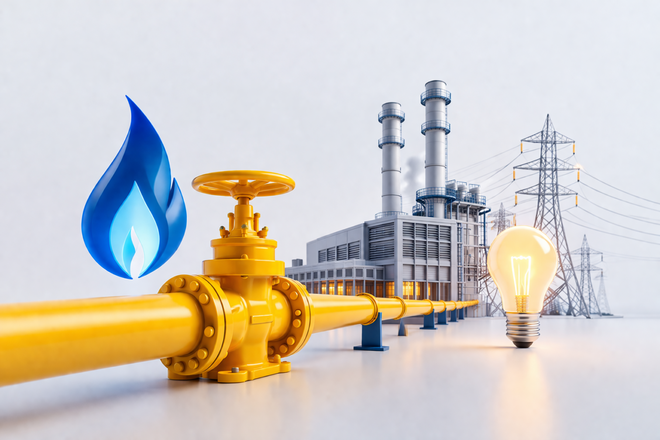
Nigeria relies heavily on natural gas, with more than 70% of grid electricity generated by gas-fired power plants, this has opened up the country to electricity crisis in cases of gas shortage.
Nigeria’s electricity transmission network also lacks the capacity to evacuate and deliver the required volume of power to consumers following decades of underinvestment, aging equipment, limited redundancy, and slow expansion relative to growing demand. T
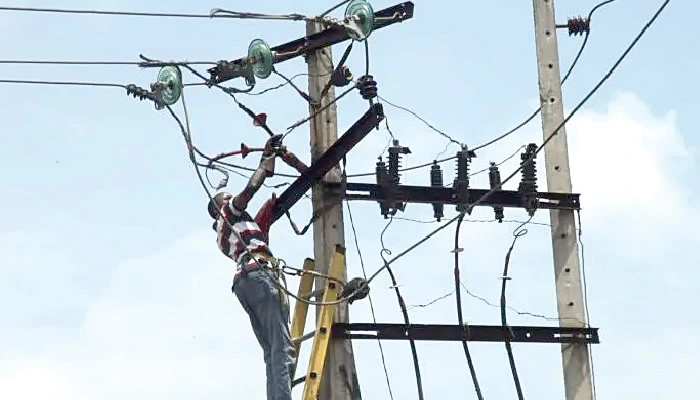
The final stage of the electricity value chain is equally constrained. Electricity Distribution Companies (DisCos) continue to grapple with aging transformers, overloaded distribution feeders, obsolete equipment, inadequate maintenance, and limited network expansion.

The sector also suffers from widespread metering deficits, forcing many consumers onto estimated billing systems that have long generated public dissatisfaction. High technical losses from aging infrastructure, combined with commercial losses arising from electricity theft, energy diversion, and poor revenue collection, significantly reduce the amount of revenue available for reinvestment.
Revenue collected by Distribution Companies often falls short of the actual cost of supplying electricity. Government subsidy obligations have accumulated over time, while Generation Companies (GenCos) in turn owe gas producers and suppliers for fuel deliveries.