Britain’s largest teaching union has withdrawn its backing for an open letter defending former Cambridge University professor Jason Arday as fresh allegations continue to emerge over his academic record and conduct.
Daniel Kebede, general secretary of the National Education Union (NEU), initially signed the letter, which described allegations of plagiarism against Arday as “entirely false” and accused critics of mounting a “smear campaign”.
The union has now distanced itself from that position, saying that, in light of information that emerged after the letter was signed, it would prefer a statement calling for a “fair and transparent investigation” into the allegations.
An NEU spokesman said Kebede signed the original statement based on the information available to him at the time.
“As a trade unionist, Daniel Kebede fundamentally believes that where questions are raised about an individual’s professional conduct, that person has a right to due process,” the spokesman said.
The union added that Kebede would have preferred the authors of the original statement to issue a new statement calling for an investigation.
Kebede’s name, however, remains on the list of signatories to the original letter.
The development follows the withdrawal of support by several academics and prominent figures after additional allegations about Arday emerged.
Among those reported to have asked for their names to be removed are Sonita Alleyne, the first woman to head Jesus College, where Arday was employed; Professor Sir Simon Baron-Cohen, a Cambridge professor of developmental psychopathology; and education expert Ricardo Sabates Aysa.
Cambridge Launches Independent Investigation
The controversy intensified after Cambridge announced an investigation into Arday’s appointment and academic record.
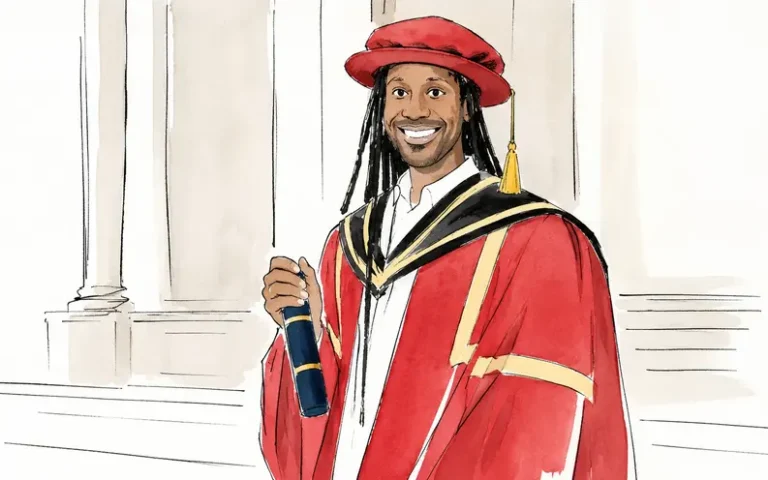
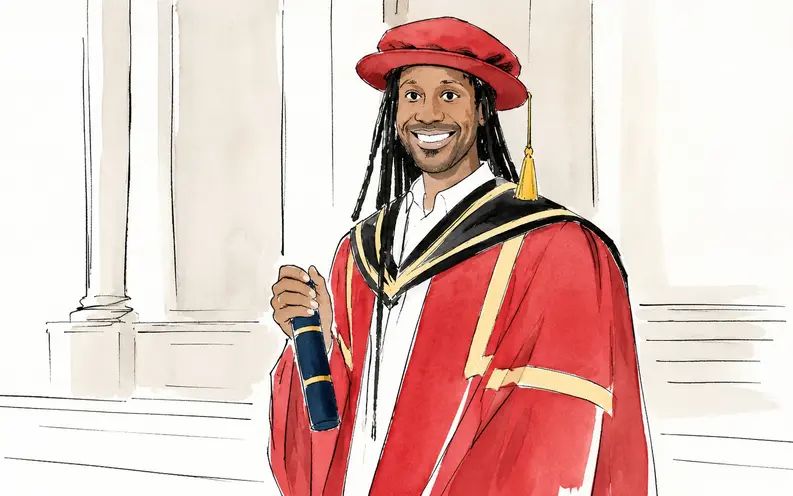
Arday, who became Cambridge’s youngest Black professor when he was appointed at the age of 37, resigned from the university in August after allegations concerning plagiarism and claims about aspects of his academic qualifications and career.
The university has since said an independent panel will investigate his appointment. Cambridge Vice-Chancellor Deborah Prentice said the investigation would examine the circumstances surrounding the appointment and could inform changes to the university’s senior academic recruitment and research-integrity procedures.
The allegations include claims that Arday copied material in his PhD thesis and other academic work. There have also been questions over claims he made about parts of his professional history.
In his resignation statement, he said the decision should not be interpreted as a loss of faith in scholarship or as an acceptance of the “narratives” surrounding him. He described the sustained public scrutiny as having reached a point beyond what a person should reasonably be expected to endure.
Fresh Allegation Involving Student
A former student has alleged that Arday accused her of having “white privilege” after she questioned the grade she received for an essay.
According to the allegation reported by LBC, the student said Arday appeared to imply that her complaint about the mark was connected to racism.
The allegation has not been established by an independent investigation.
The latest claims have nevertheless added to scrutiny of Arday’s record as an academic and teacher.
Questions over other claims
Among the claims subjected to scrutiny are an account that he ran 600 miles in six days and a claim that he had raised £5.5 million for charity.
These claims form part of a broader dispute over the accuracy of information associated with Arday’s public biography and professional profile.
The university’s investigation is expected to provide a more authoritative assessment than competing claims made through the media.
Supporters Now Face Scrutiny
The reversal by the NEU is significant because the original letter attracted prominent supporters who argued that Arday was being unfairly targeted.
The letter’s authors had presented the plagiarism allegations as false and characterised the controversy as a campaign against the academic.

That position has become harder to sustain publicly as Cambridge has moved from defending its appointment to commissioning an independent investigation.
The dispute has also divided opinion among Black academics in Britain. Some have argued that the intensity of the criticism directed at Arday reflects broader racial tensions in British academia and could have damaging consequences for diversity initiatives. Others have stressed that concerns about academic integrity must be investigated independently regardless of the identity or background of the academic involved.