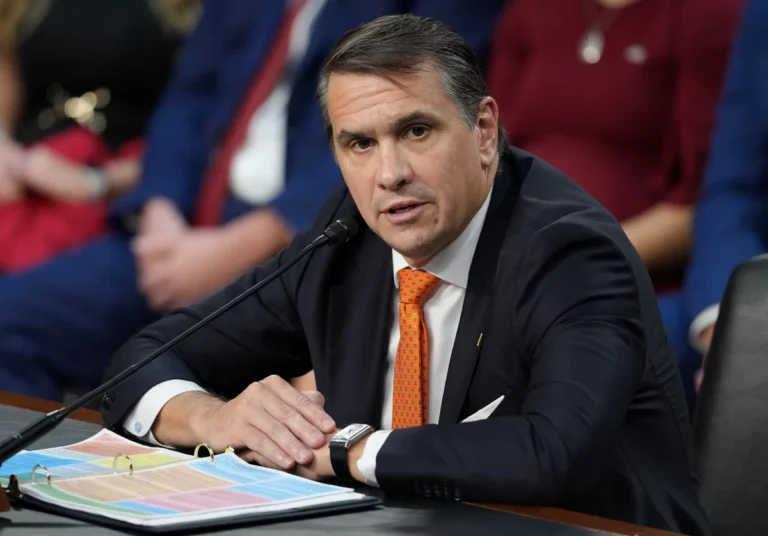
Former Ekiti State governor and newly appointed Chairman of Nigeria’s Rural Electrification Agency (REA), Ayodele Fayose, has linked the country’s rapid population growth to inadequate electricity supply, arguing that darkness encourages people to spend more time at home with their spouses.
Fayose made the remarks during his inauguration as chairman of the REA board on Friday, August 7, 2026.
“When you don’t address the issue of electricity, by 7 o’clock it gets dark, and people start engaging with their wives, so the population doubles,” Fayose said.
He argued that inadequate electricity limits nightlife and other activities outside the home, leaving people with fewer options in the evening.
“The simple problem is that, because there is no electricity, people go to bed early. Their minds are already prepared for it. If this is the only option available, they simply stay at home. But if we address the electricity problem, there will be nightlife,” he added.
Fayose was inaugurated alongside other REA board members by the Minister of Power, Joseph Tegbe, following his appointment by President Bola Tinubu.
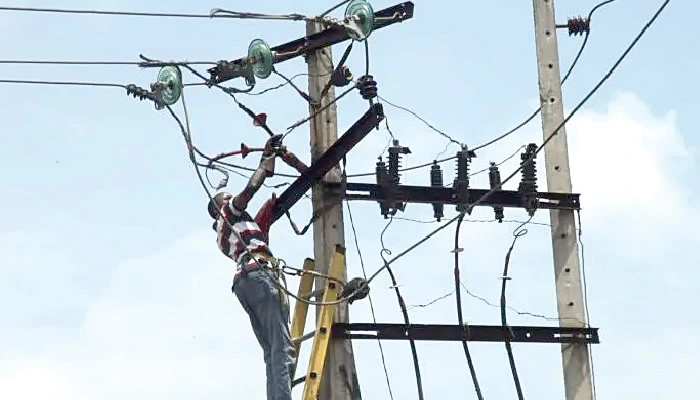
At the inauguration, Fayose stressed the need for political will and adequate funding to expand electricity access across Nigeria, particularly in rural and underserved communities.

The former governor said the REA’s mandate should not be viewed merely as connecting communities to electricity, but as part of a broader effort to improve economic and social development at the grassroots.
His comments on population growth, however, have generated significant debate on social media with critics arguing that reliable electricity should primarily be discussed in terms of its impact on businesses, employment, education, healthcare, productivity and household welfare.