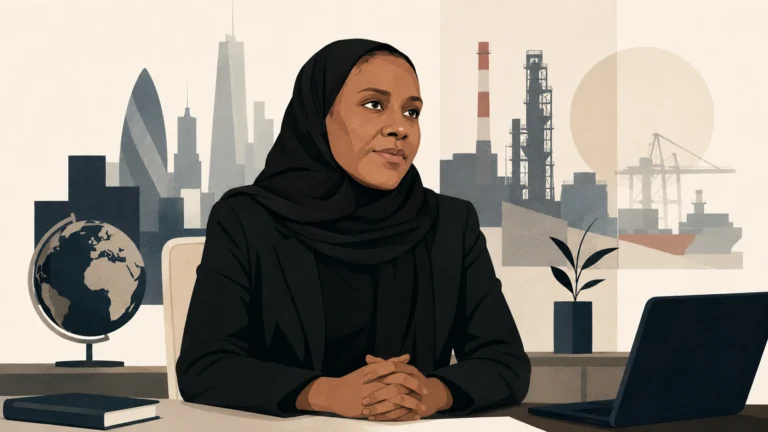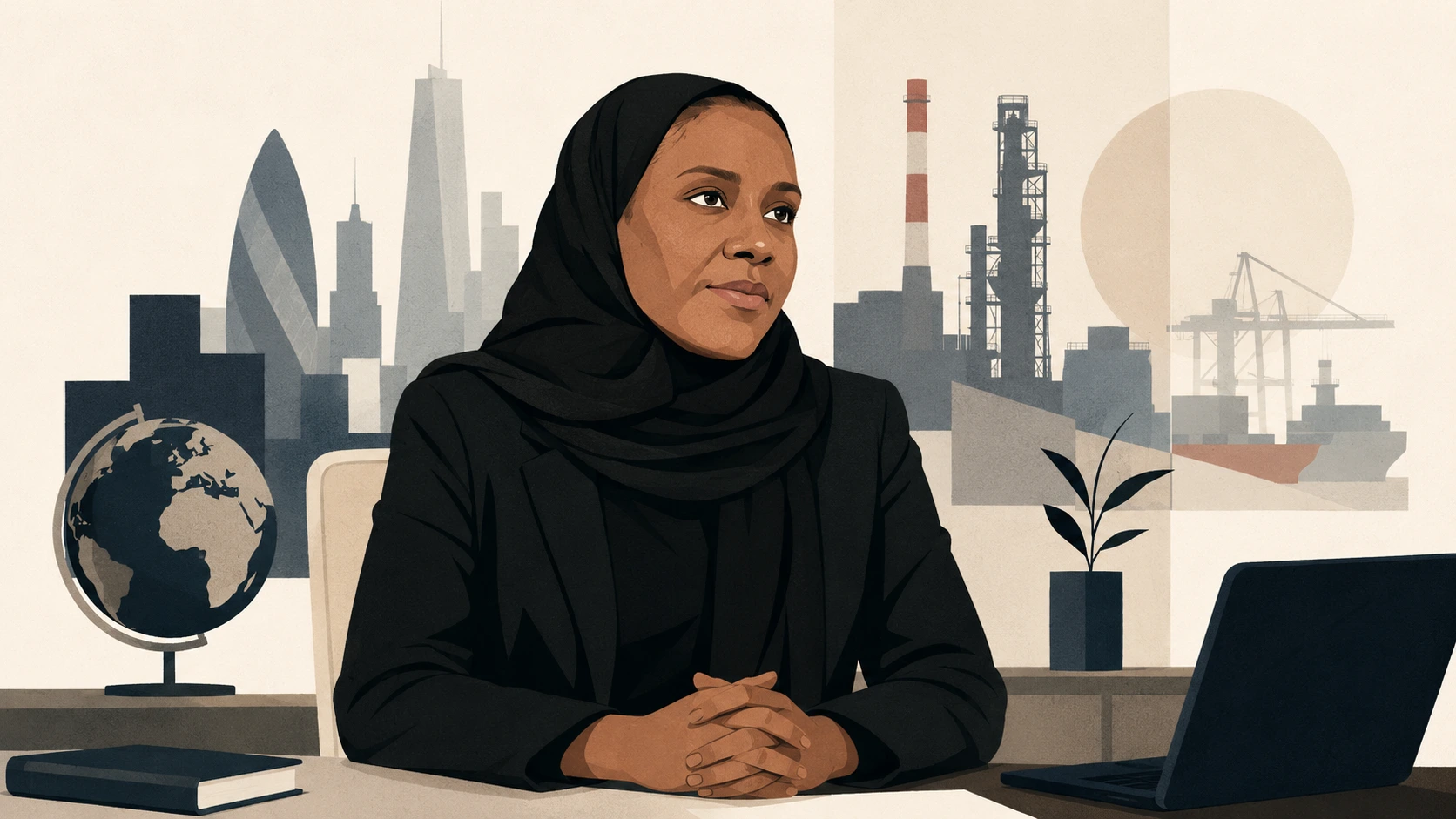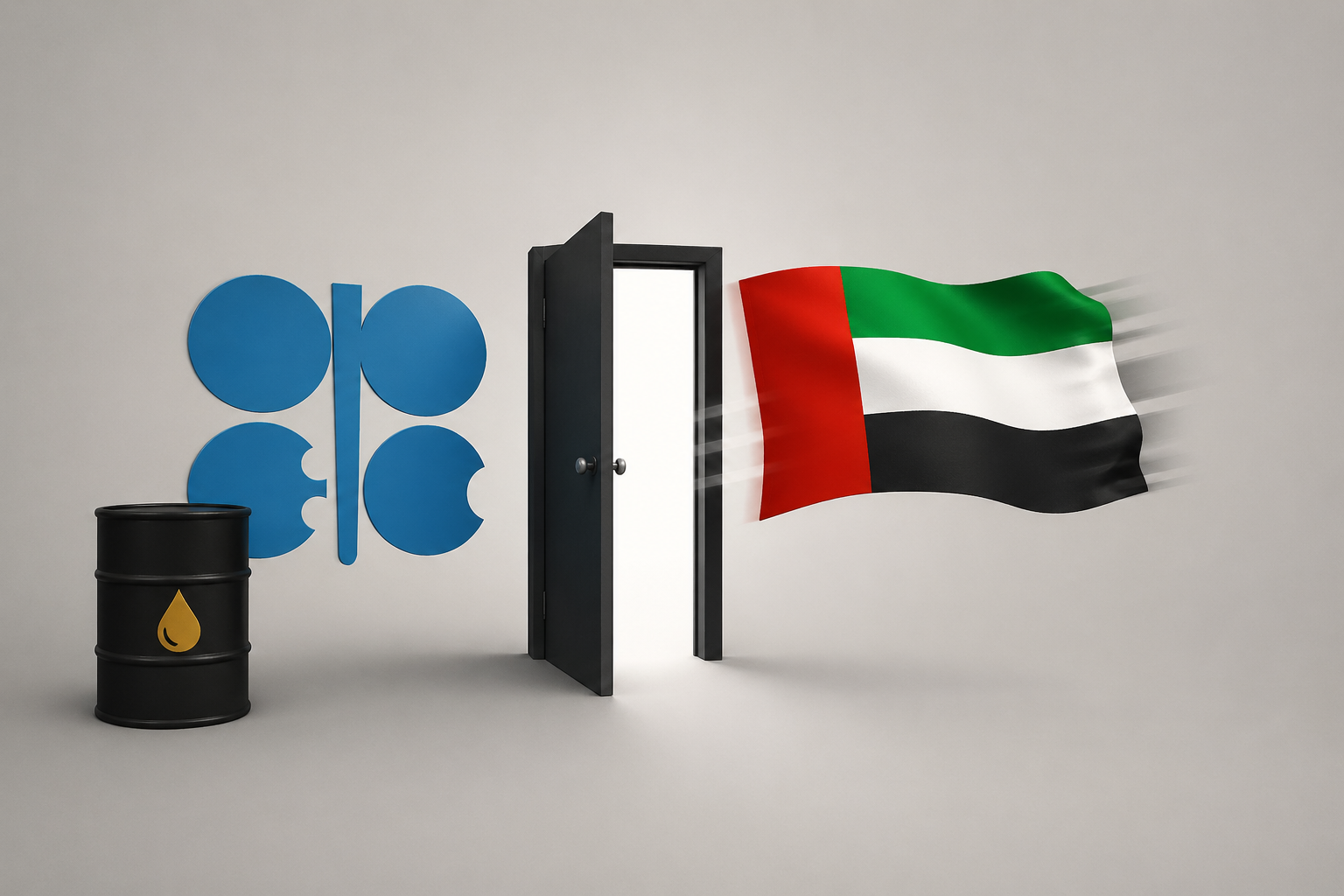
The United Arab Emirates announced on Tuesday that it will withdraw from OPEC and OPEC+, a dramatic move that could reshape the global oil market and weaken two of the world’s most influential energy alliances at a time of heightened geopolitical instability.
The UAE’s departure represents one of the most significant fractures in the oil-producing bloc in recent years and deals a major symbolic and strategic setback to Saudi Arabia, the group’s de facto leader. For decades, OPEC has relied on cohesion among its Gulf members to maintain influence over production policy and global crude prices.
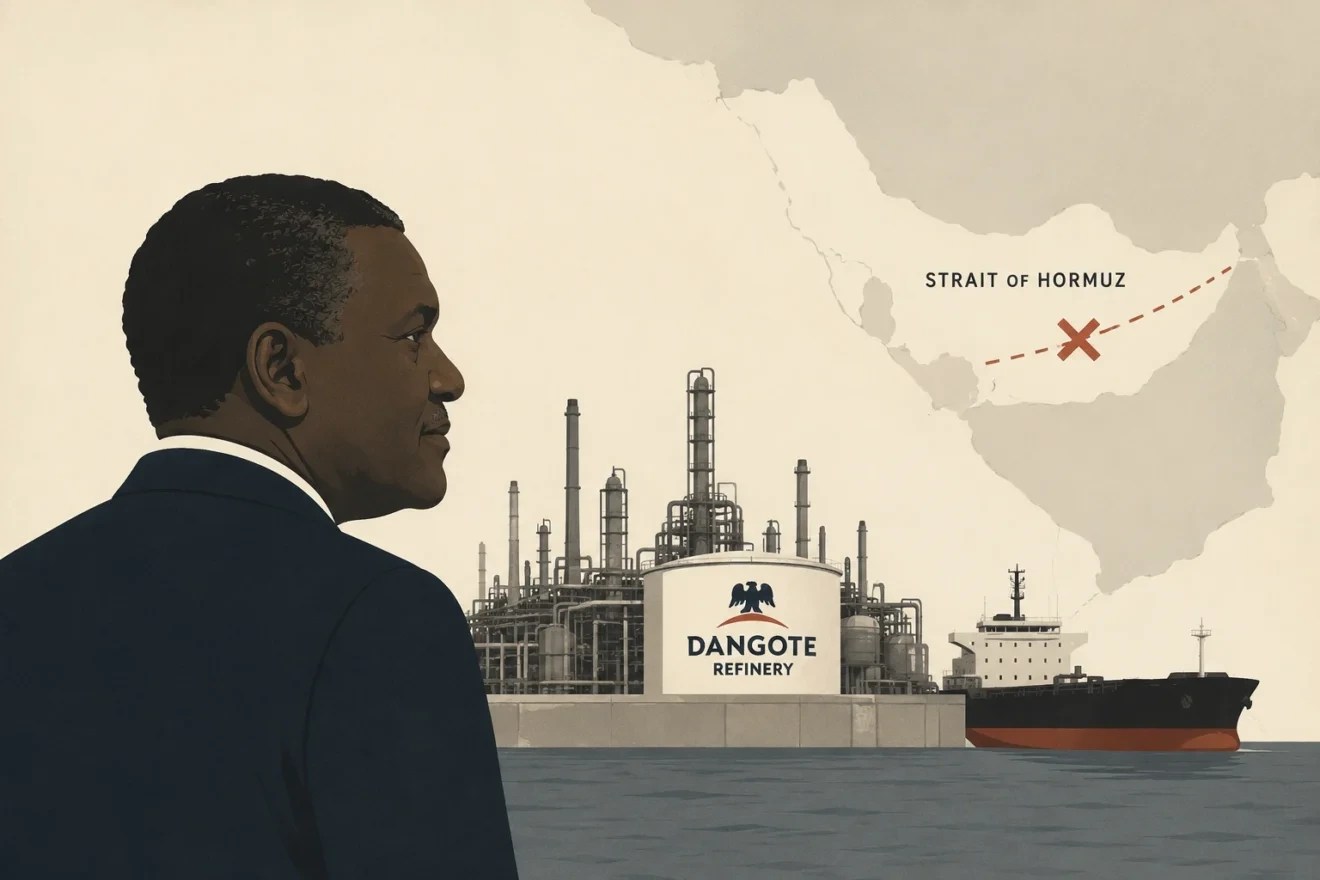
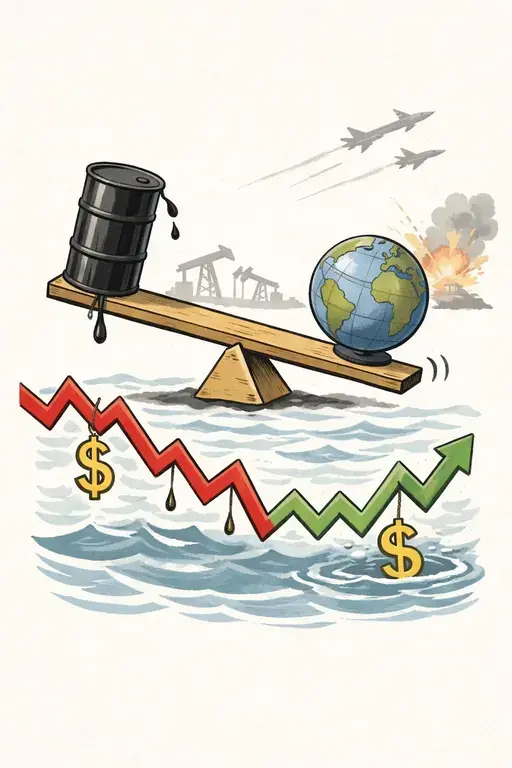
The exit comes amid escalating tensions linked to the Iran war, which has triggered a historic energy shock and rattled the global economy. Oil markets have been particularly vulnerable as producers in the Gulf face mounting difficulties shipping crude through the Strait of Hormuz, the narrow maritime corridor between Iran and Oman that handles roughly 20 percent of global oil and liquefied natural gas flows.
Recent Iranian threats and reported attacks on commercial vessels in the area have intensified concerns over supply disruptions, sending volatility through international energy markets.
Significance of Withdrawal
Analysts say the UAE’s withdrawal could create uncertainty within OPEC+, the broader alliance that includes non-OPEC producers such as Russia. The group has often projected unity despite long-running internal disagreements over production quotas, market share, and regional rivalries. Abu Dhabi’s decision may encourage other members to reconsider their positions or pursue more independent production strategies.
The development is also viewed as a political win for US President Donald Trump, who has repeatedly criticized OPEC for manipulating supply and driving up oil prices. Trump has accused the cartel of “ripping off the rest of the world” and has argued that US military support for Gulf allies should not coincide with policies that keep energy prices elevated.

Trump has previously stated that while the United States helps secure Gulf nations, it is simultaneously being “used by them to keep oil prices high,” linking security cooperation directly to oil market behavior.
The UAE’s decision could mark the start of a new era in global energy politics, with potential consequences for crude prices, supply coordination, and the balance of power in the Middle East.