U.S. President Donald Trump on Wednesday renewed pressure on Iran to accept a new agreement, as reports emerged that Washington may be preparing to extend its blockade of Iranian ports amid stalled efforts to end the ongoing conflict.
In a post on Truth Social, Trump urged Tehran to “get smart soon” and sign a deal, while reiterating his long-standing position that Iran must not be allowed to develop nuclear weapons.
Potential Extension of Naval Blockade
The remarks came after The Wall Street Journal reported that Trump had instructed senior aides to prepare for a lengthy blockade strategy aimed at intensifying economic pressure on Iran.
According to the report, U.S. officials said the administration viewed an extended blockade as less risky than resuming military strikes or abandoning the confrontation altogether.
“They don’t know how to sign a nonnuclear deal. They’d better get smart soon!” Trump wrote, without outlining the specific terms Washington is seeking.
Negotiation Deadlock
Negotiations between both sides remain deadlocked. Iran is reportedly demanding a formal end to hostilities and the lifting of shipping restrictions before entering broader talks, while the United States wants Tehran’s nuclear programme included from the outset.
Iran has maintained that its uranium enrichment activities are for peaceful civilian use, but Western governments remain concerned about the scale of its stockpile and enrichment levels.
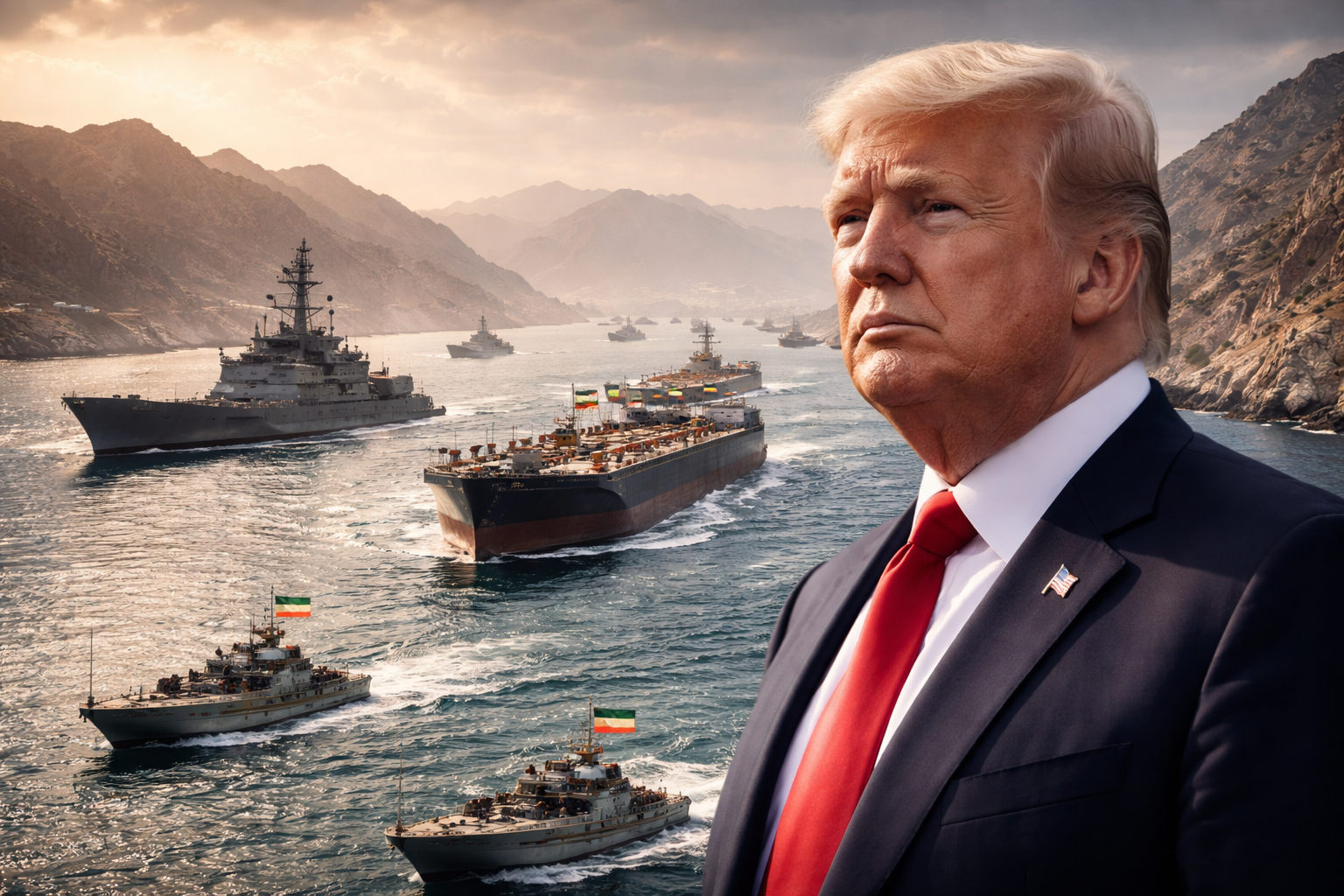
The two-month conflict has disrupted regional trade flows, rattled global energy markets and heightened tensions across the Middle East. Tehran has significantly restricted shipping traffic through the Strait of Hormuz, one of the world’s most strategic oil transit routes, while the United States has tightened restrictions on Iranian maritime activity.
Oil prices rose nearly three percent on Wednesday, with Brent crude reaching a one-month high amid fears that a prolonged blockade could deepen supply disruptions.
Political pressure is also building in Washington, where Trump faces growing domestic criticism over the economic impact of the conflict and rising energy costs.
Analysts say prospects for a swift diplomatic resolution have faded, particularly as power dynamics inside Iran shift toward more hardline factions following recent wartime losses among senior political and military figures.
The World Bank this week warned that global energy prices could surge sharply in 2026 if disruptions linked to the Iran conflict persist.