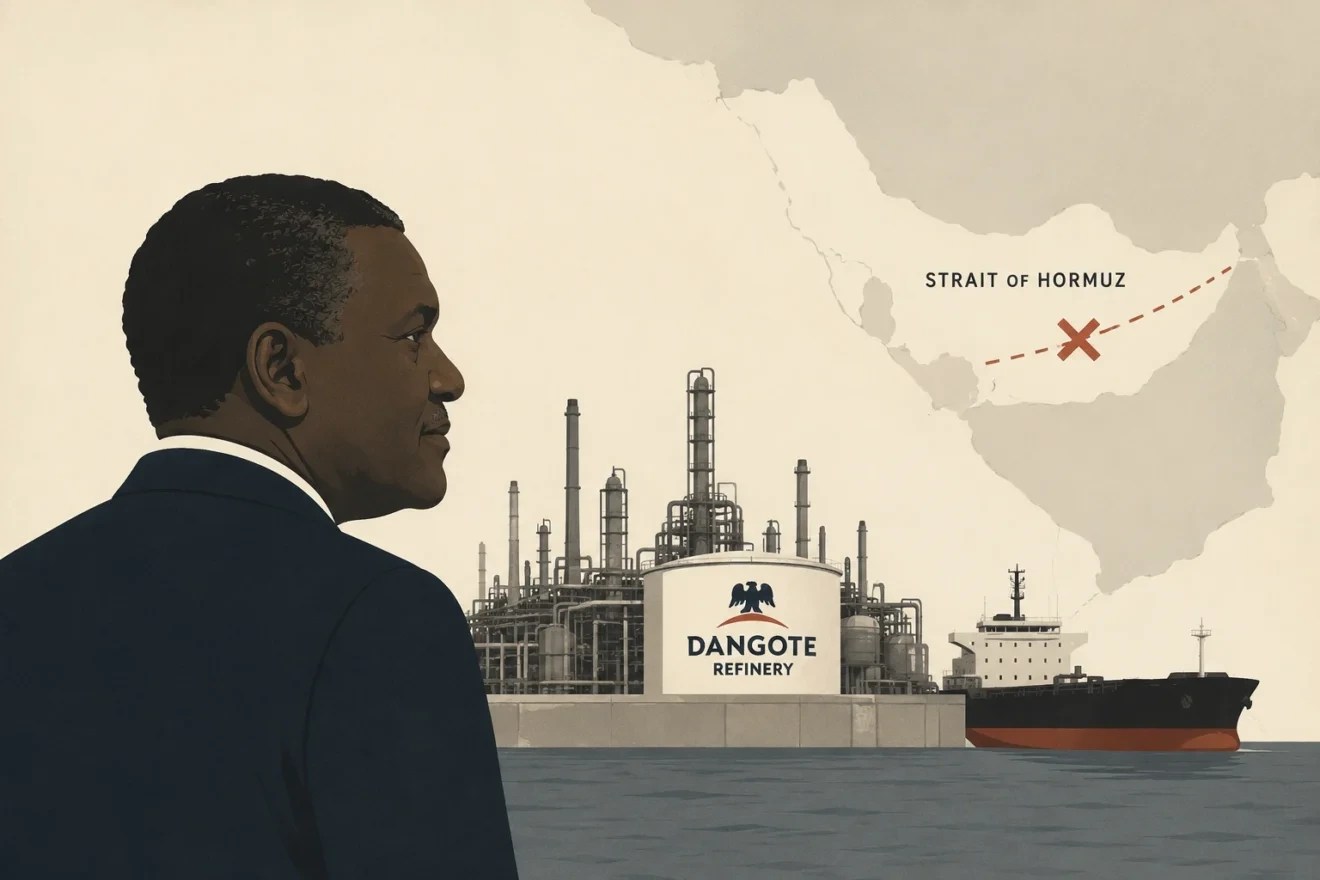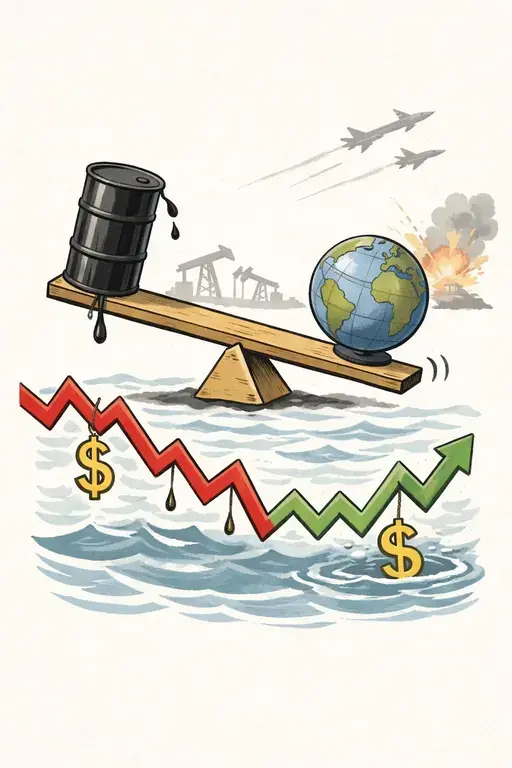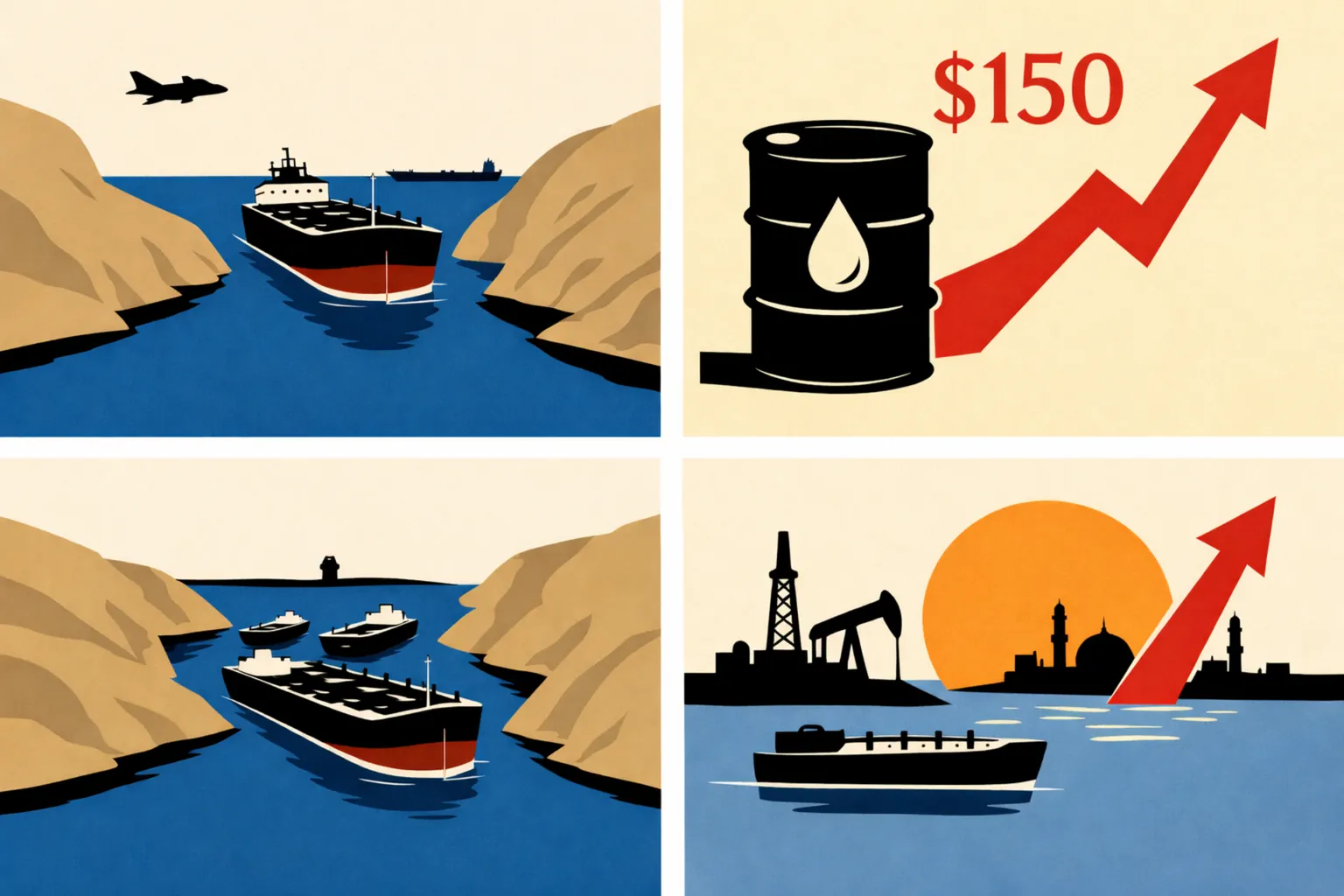
Benchmark Brent crude dropped about 11% to $88 per barrel, while West Texas Intermediate fell roughly 10% to $81.5 per barrel after Iran confirmed the full reopening of the critical Strait of Hormuz, triggering a steep decline in crude prices and easing supply fears.
The reopening comes after a fragile de-escalation in the Middle East, including a ceasefire linked to tensions involving Israel and Lebanon, alongside improved diplomatic signals from United States.
Donald Trump publicly acknowledged the development, framing it as a breakthrough in regional stability. Meanwhile, Abbas Aragchi confirmed that the strait would remain open throughout the ceasefire period.
Why the Strait of Hormuz Matters
The Strait of Hormuz is one of the most strategically vital energy corridors globally. Any disruption forces markets to price in severe supply shocks, often pushing oil prices sharply higher.
Its reopening immediately reassured traders that:
- Oil shipments from the Middle East will continue uninterrupted
- Supply chain risks have eased significantly
- Emergency pricing premiums are no longer justified
Economic Implications
The price drop offers relief to major oil-importing economies as lower oil prices would reduce inflationary pressures, improve trade balances and ease fiscal strain from fuel subsidies

Despite the immediate optimism, analysts remain cautious. The current price stability in the $80–$90 range hinges on the durability of the ceasefire and continued security in the Gulf region.
Any renewed disruption in the Strait of Hormuz could quickly reintroduce volatility and push prices upward again.