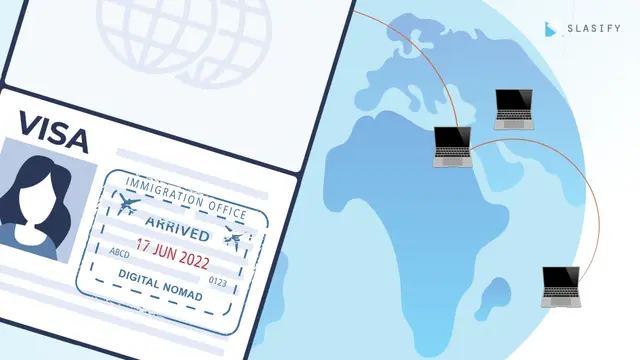
South Korea has permanently expanded its digital nomad programme, allowing eligible foreign remote workers to stay in the country for up to three years while easing income requirements for certain applicants.
The country’s Workcation Visa, which was introduced as a pilot programme in January 2024, officially became a permanent immigration pathway on June 30, 2026. The move is part of South Korea’s broader strategy to attract highly skilled professionals who earn income overseas but contribute to the local economy through spending and long-term residence.
The revised policy positions South Korea alongside countries such as Portugal, Spain, Japan and the United Arab Emirates in competing for the growing global population of digital nomads.
Longer stays and More flexible eligibility
Under the updated rules, successful applicants will initially receive a one-year visa that can be renewed, allowing them to remain in South Korea for a maximum of three years—an increase from the previous two-year limit.
Authorities have also relaxed annual income requirements for certain categories of applicants, particularly younger professionals and those willing to settle outside Seoul and other major metropolitan areas or in regions experiencing population decline.
The changes are intended to encourage economic activity in smaller cities while making the programme more accessible to a broader range of remote professionals.
Who can apply?
Applicants must generally:
- Be at least 18 years old.
- Have a minimum of one year of professional work experience.
- Meet South Korea’s annual income threshold.
- Provide proof of overseas employment or freelance income.
- Submit a police clearance certificate.
- Hold private health insurance with coverage of at least KRW 100 million.
- Provide marriage or birth certificates when applying with eligible family members.
The visa also permits legal spouses and unmarried children under the age of 19 to accompany the principal applicant, making it an option for families seeking a temporary relocation while maintaining overseas employment.
Application process
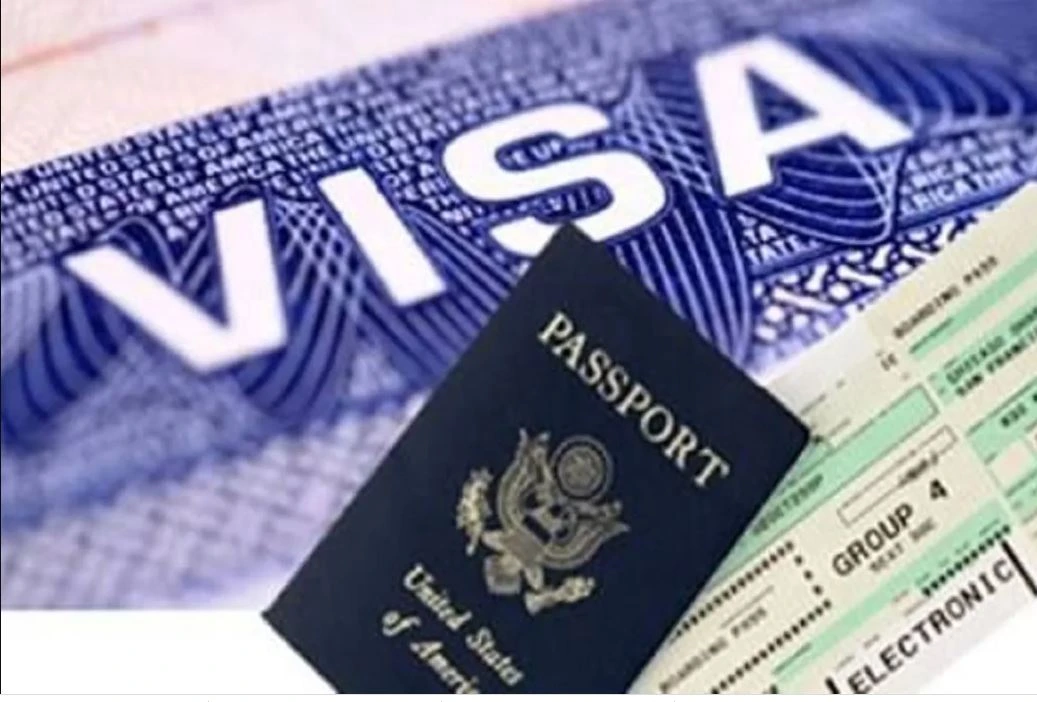
Nigerian applicants must submit their applications through the South Korean Embassy before travelling. Once in South Korea, successful applicants are required to obtain a residence card to complete their legal registration.
Although immigration authorities may allow some visitors already in South Korea to change their immigration status, applicants are generally advised to secure the visa before departure.
The Workcation Visa is designed exclusively for individuals whose income comes from outside South Korea.
Visa holders cannot accept employment with South Korean companies, work for local employers, or generate income from domestic commercial activities. Instead, they must continue working remotely for overseas employers or clients throughout their stay.
What Changes Mean for Nigerians
The expanded programme presents new opportunities for Nigeria’s growing community of remote professionals, particularly software developers, cybersecurity specialists, designers, digital marketers, content creators, consultants, researchers, online educators and other knowledge workers serving international clients.
With a maximum stay of three years, Nigerian professionals can establish a longer-term base in one of Asia’s leading technology and innovation hubs without changing employers or entering South Korea’s domestic labour market.
The relaxed income requirements for some applicants could also make the visa more accessible to younger Nigerian professionals and freelancers whose earnings may not have met the previous thresholds, provided they satisfy the revised eligibility criteria.

For Nigerian entrepreneurs operating location-independent businesses, South Korea offers access to world-class digital infrastructure, reliable public transportation, modern healthcare, and proximity to major Asian markets, making it an attractive destination for professionals working across multiple time zones.
However, applicants should note that the visa does not provide a pathway to local employment. Nigerians interested in working for a South Korean company would need to apply for the appropriate employment visa under South Korea’s immigration laws.