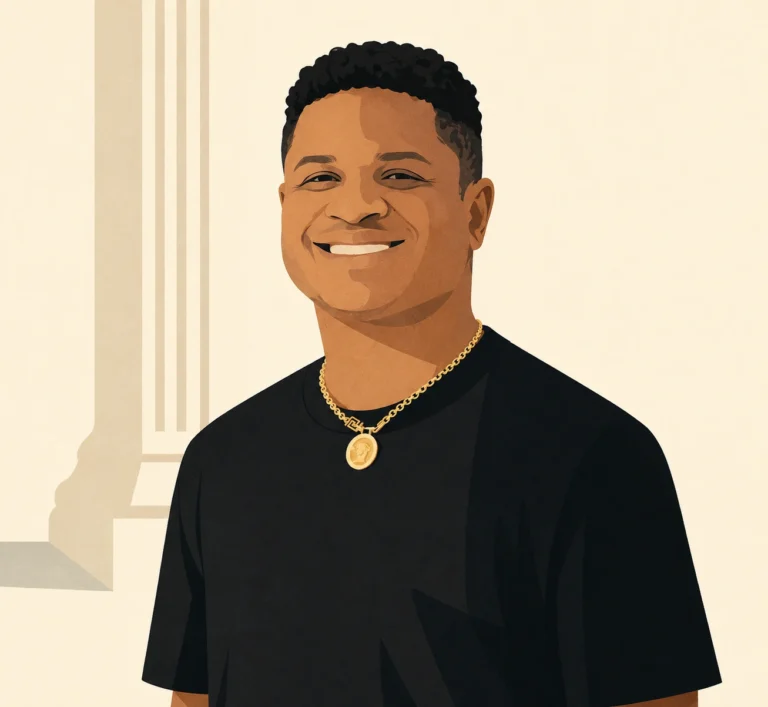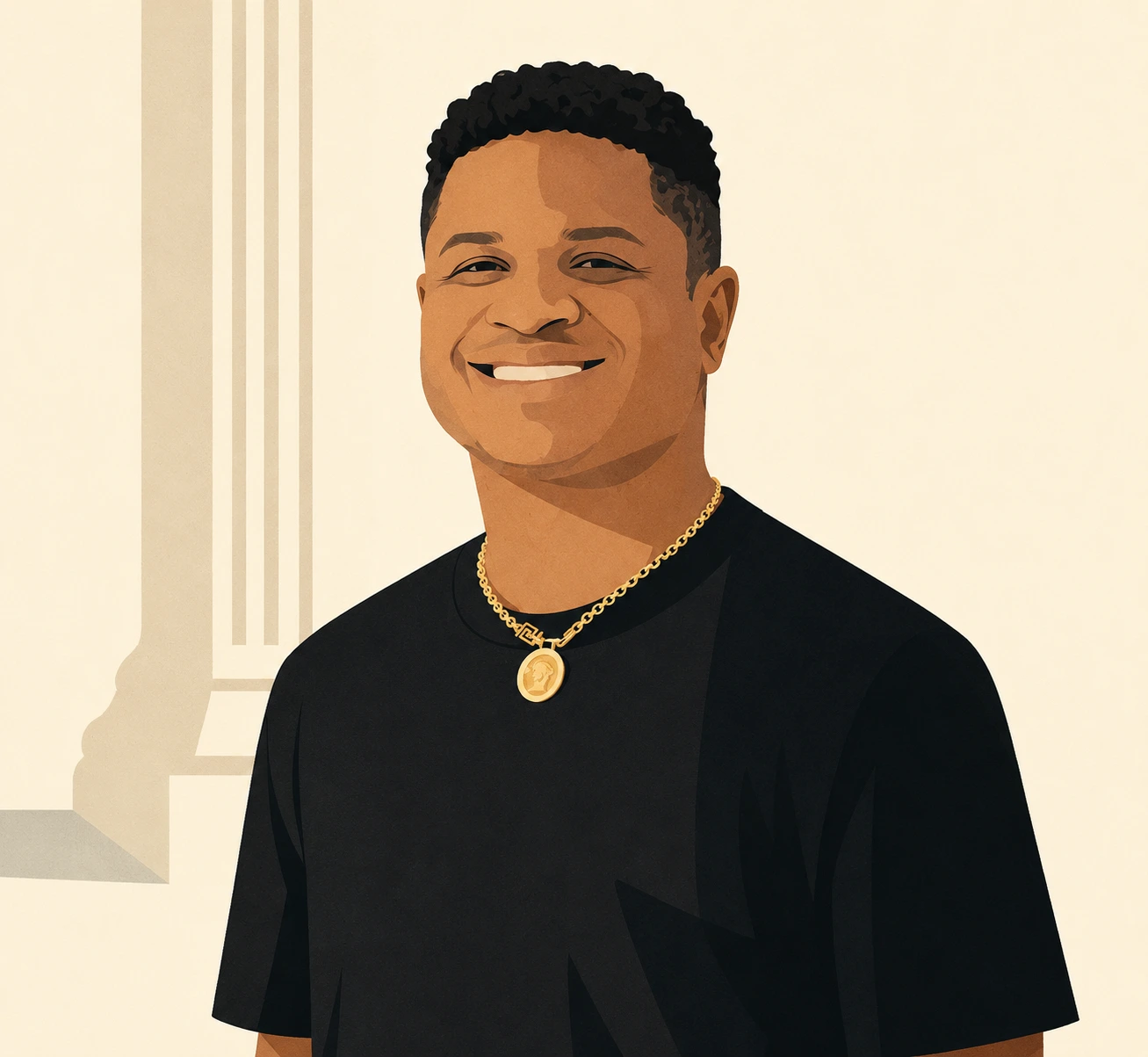
Jerry Adedayo Falade, a Nigerian writer and PhD student at Southern Methodist University appeared to have won the literary lottery when his debut crime novel Call Me, I’ll Hide the Body triggered a bidding war among publishers, attracted interest in screen rights and reportedly secured a two-book deal worth more than $2 million.
However , the work was withdrawn from submission after his agents said they could no longer verify how the manuscript had evolved and whether artificial intelligence had been used in its writing or editorial development, an allegation the author strongly denies.The controversy has since turned what looked like the beginning of a major literary career into a debate about authorship, AI detection, race and the risks facing writers in an industry still trying to establish rules for artificial intelligence.
From Ife to Germany to Dallas
Falade’s studied English at Obafemi Awolowo University, Ile-Ife, before moving to Germany, where he obtained a master’s degree from Ruhr-Universität Bochum. He later entered the PhD programme in English at Southern Methodist University in Dallas in 2025.
At SMU, his research focuses on the reconstruction of Black masculinity in contemporary African American and African diasporan literature, particularly representations of mental health and vulnerability among Black men. His work examines writers including Ta-Nehisi Coates and Marlon James.
About the Book in Focus
Call Me, I’ll Hide the Body featured a Nigerian immigrant and explored a world that drew on some of the questions about identity, displacement and Black masculinity that had occupied Falade’s scholarly research.
By the summer of 2026, Falade was largely unknown outside literary and academic circle but that changed when publishers began reading his manuscript.
Fourteen publishers reportedly entered the US auction for Call Me, I’ll Hide the Body. Macmillan’s Minotaur imprint emerged with the US deal, while HarperCollins secured UK rights. Offers across the US and UK were reported to have pushed the value of the deal above $2 million, although the precise breakdown of the figure has not been publicly established.
The novel was expected to be published in 2028 while Falade’s US agent, Marc Gerald, described the manuscript as “stunningly good”, saying that everyone who encountered it fell in love with the book. His UK agent, Sandy Hodgman, similarly described it as a manuscript that had dazzled the agency and leading publishing professionals.There was also interest in adapting the story for the screen.
For a writer still pursuing a doctorate, the trajectory was surreal: Nigerian undergraduate, German master’s student, American PhD researcher, then the author at the centre of a multimillion-dollar publishing auction.
Artificial Intelligence Allegations
During the publishing process, concerns emerged about whether AI had been used in producing the manuscript.
Initially, Falade’s agents accepted his assurances that he had not used AI as a writing or editorial tool.
However, in an email to publishers, Hodgman said the agents could no longer authenticate how the manuscript had developed “from origin to completion”. They withdrew the novel and ended their relationship with Falade.
Publishers paused or abandoned the project. The book disappeared from the publishing schedule and the deal that had reportedly been worth more than $2 million was gone.
Falade insists he wrote the book himself and has acknowledged using an AI tool during the research process, including for factual questions relating to the novel’s forensic and scientific details, but maintains that AI did not write or edit the manuscript.
Falade has attempted to establish that his writing career did not begin with generative AI.
He produced messages dating from 2021, before ChatGPT became publicly available, showing that he was already working on fiction and discussing his writing with an academic at his former German university.
He has also pointed to the number of editors and publishing professionals who read the manuscript before the controversy erupted.
If the manuscript had been obviously AI-generated, he has argued, it would be difficult to explain how it passed through multiple stages of editorial scrutiny and generated such enthusiasm.
Publishers Weekly reported that the precise evidence behind the AI concerns remained unclear. Reports suggested that an AI-detection tool may have been involved, but there has been no publicly established finding that definitively proves AI wrote the novel.
Falade Says Race May be Part of the Story
Falade has also challenged the circumstances surrounding the collapse. He argues that Black writers may face a different level of suspicion when their work receives sudden commercial attention.
In comments reported by The Guardian, he said there was a troubling assumption that a Black writer producing highly successful work could not have produced it himself.
One week, Falade was the Nigerian PhD student whose debut novel had attracted 14 publishers and a reported multimillion-dollar offer.

Soon afterwards, he was explaining why he had not used AI to write the book and the writer who had seemed destined for a major debut was left without the book contract that had announced his arrival.
Falade has nevertheless retained legal representation and has said he intends to keep writing. He has also maintained that ‘Call Me, I’ll Hide the Body’ will eventually find its way to readers.