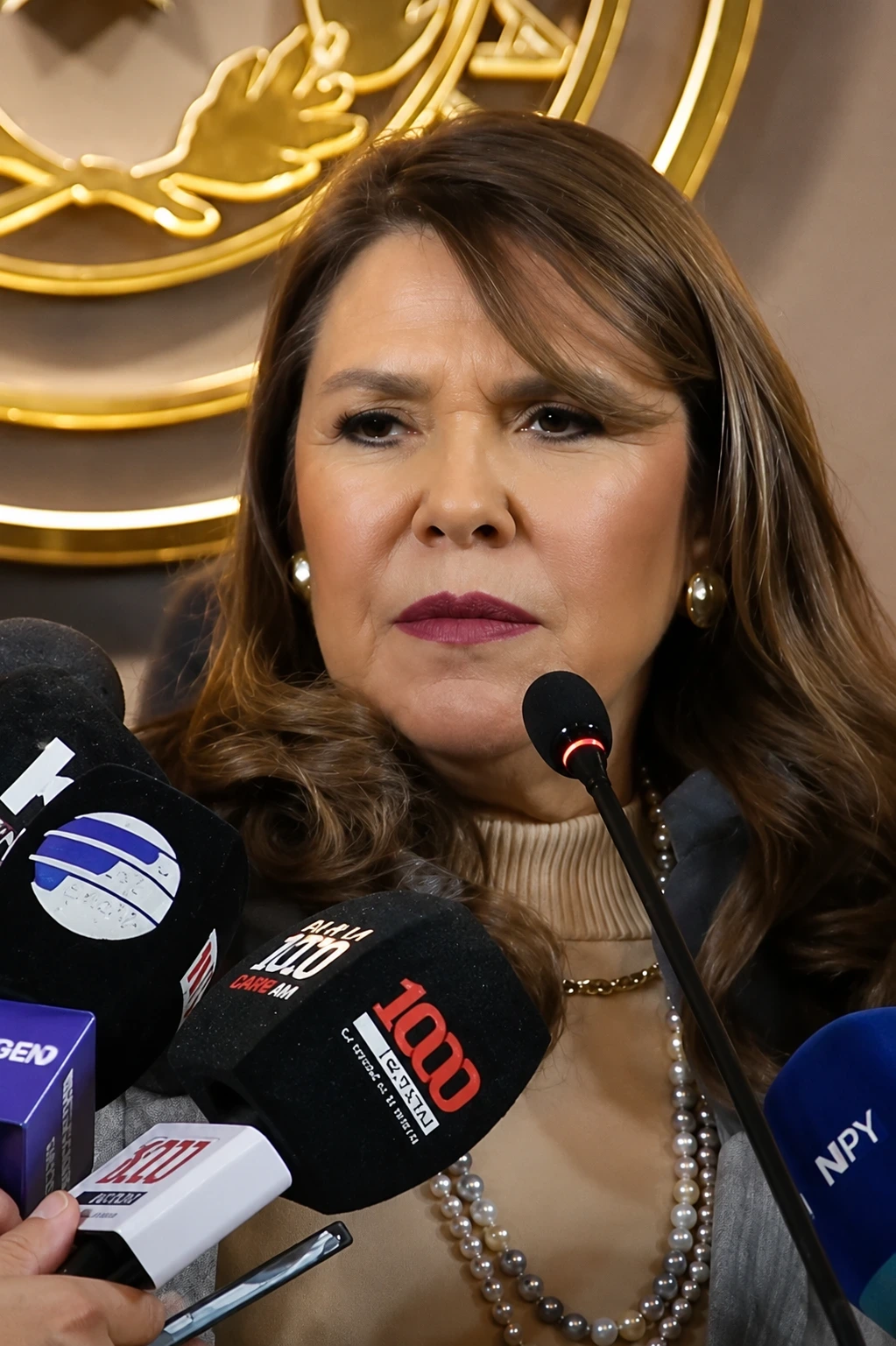
The controversy surrounding Paraguayan Senator Celeste Amarilla has taken an extraordinary new turn after the lawmaker threatened to sue French football captain Kylian Mbappé for what she described as “gender-based political violence,” despite there being no public evidence that the player has personally attacked or responded to her.
The latest remarks come days after Amarilla sparked international outrage with racist comments directed at Mbappé following Paraguay’s elimination from the 2026 FIFA World Cup.
Instead of retracting those comments, the senator has doubled down, warning Mbappé not to “mess with Paraguayans” and claiming she could pursue legal action against him.
“I can sue you, hire a lawyer, and they will tell you that I can beat you. Gender violence, political violence against women—that is serious,” Amarilla said during a public address.
She did not identify any conduct by Mbappé that would amount to gender-based political violence under Paraguayan law.
A legal threat with uncertain foundations
Amarilla’s threat has raised questions about the legal basis of any potential lawsuit.
Gender-based political violence laws, adopted in several Latin American countries, were introduced to protect women from intimidation, harassment, discrimination and coercion that prevents them from participating freely in political life.
Such laws generally require evidence that the alleged victim was targeted because of her gender or political role.
Based on information currently in the public domain, Mbappé has neither publicly insulted the senator nor engaged in any personal exchange with her since the controversy began.
Without evidence of direct conduct by the French forward, legal analysts say any attempt to frame the dispute as gender-based political violence would likely face significant hurdles.
As of publication, there is no indication that any court proceedings have been initiated.
From racist remarks to claims of political interference
Amarilla also expanded the dispute beyond football by accusing French President Emmanuel Macron of attempting to interfere in Paraguay’s domestic affairs.
The senator alleged, without presenting evidence, that Macron contacted Paraguayan President Santiago Peña in an effort to pressure authorities into silencing her.
Neither the French presidency nor Paraguay’s government has publicly confirmed that any such communication occurred.
The allegation has further transformed what began as a football controversy into a diplomatic issue attracting international attention.
Political consequences may prove more immediate than criminal ones
While Amarilla’s comments have generated widespread condemnation, legal experts note that racist speech by elected officials does not automatically result in criminal prosecution.
Whether her remarks violate Paraguayan law would depend on prosecutors establishing offences under the country’s anti-discrimination, hate speech or criminal statutes.
At present, there is no public indication that criminal proceedings have been opened against the senator. The more immediate consequences are likely to be political rather than judicial.
Those could include ethics investigations within Paraguay’s Senate, damage to her political reputation, increased scrutiny from civil society groups and further diplomatic criticism from foreign governments and international organisations.
A dangerous precedent?
Beyond the legal questions, the controversy has prompted wider debate about the use of laws designed to protect women in politics.
Gender-based political violence legislation has become an important safeguard across Latin America, where female politicians have historically faced intimidation, threats and discrimination.
Critics argue that invoking such protections against someone who has not publicly targeted the complainant risks undermining the credibility of those laws.
The controversy also raises broader concerns about accountability for racist rhetoric by public officials.
Anti-racism campaigners warn that failing to respond decisively to inflammatory racial attacks from elected leaders may normalise such conduct and weaken years of work by football authorities to combat discrimination.
Organisations including FIFA and CONMEBOL have invested heavily in anti-racism initiatives, making the involvement of a senior politician particularly sensitive.
Football, politics and the courts collide
The dispute has evolved far beyond the football pitch.
What began as an emotional reaction to Paraguay’s World Cup defeat has become a test of how democratic institutions respond when public officials use racial rhetoric, invoke legal protections in controversial ways and make unverified allegations involving foreign heads of state.
For Mbappé, the controversy has unfolded largely without his participation. The French captain has not publicly responded to Amarilla’s insults, legal threats or accusations. For Paraguay, however, the episode presents a more difficult challenge.

How the country’s institutions respond may ultimately determine whether the controversy is remembered as an isolated outburst or as a case that redefined the boundaries between political speech, accountability and the misuse of laws intended to protect vulnerable groups.
The incident also serves as a reminder that in an era where politics, sport and social media increasingly intersect, the consequences of inflammatory rhetoric rarely remain confined within national borders.