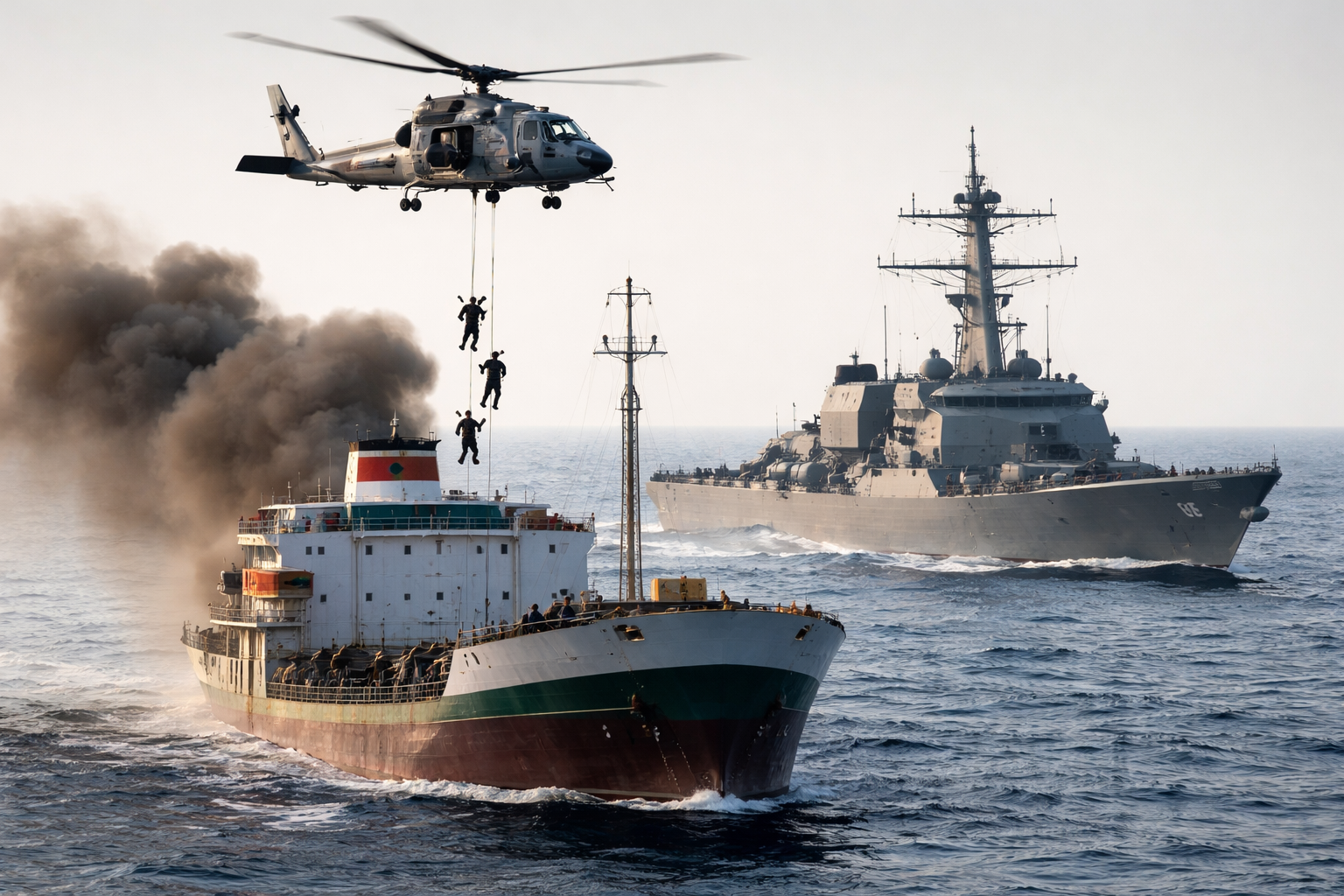
The United States and Iran have agreed to temporarily “stand down” following a weekend of military exchanges around the Strait of Hormuz, according to U.S. officials, raising cautious hopes that diplomacy can prevent a broader regional conflict.
The announcement comes after several days of escalating hostilities that tested a recently signed memorandum of understanding intended to halt fighting while both sides negotiate a broader agreement over a 60-day period.
According to U.S. officials, technical talks between Washington and Tehran remain “on track,” despite the recent exchange of strikes. However, Iranian authorities have not publicly confirmed that they have agreed to the reported pause in hostilities.
Strait of Hormuz Still Operating Below Normal Levels
Despite the easing rhetoric, commercial shipping through the Strait of Hormuz remains significantly below pre-conflict levels.
Data from maritime intelligence firms show that vessel traffic through one of the world’s busiest oil transit routes remains only a fraction of what it was before the conflict, as shipping companies continue to navigate security risks and uncertainty over safe passage.
The situation has become more complicated by the emergence of three different transit routes through the strait, with competing authorities overseeing vessel movement. Many operators are opting for routes closer to Omani waters rather than those under Iranian control, fearing both security threats and potential sanctions if political agreements collapse.
The Strait of Hormuz carries roughly one-fifth of global oil and liquefied natural gas shipments, making any disruption a major concern for international energy markets.
Iran Announces Return of Frozen Iranian Assets
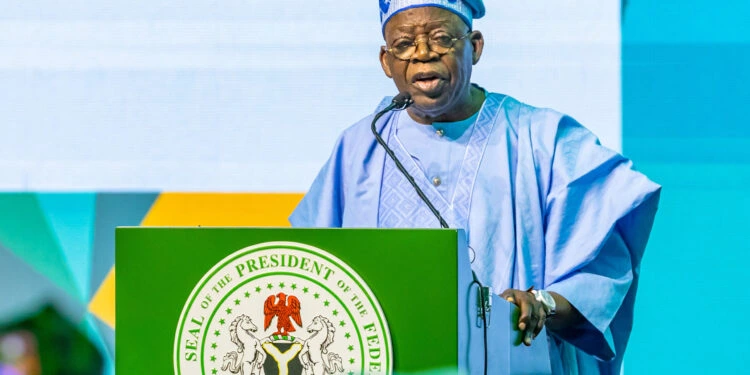
Iranian President Masoud Pezeshkian announced that $6 billion of the country’s frozen assets held in Qatar will be returned to Tehran, with efforts continuing to recover the remaining $6 billion.
The move aligns with provisions contained in the memorandum signed earlier this month, which committed the United States to making Iran’s previously restricted funds available as implementation of the agreement progresses.
The White House has not yet commented on the announcement.
While U.S. officials maintain that negotiations remain active, Iran has stated that no technical working-group meetings have been scheduled for this week.
Iranian Deputy Foreign Minister Kazem Gharibabadi said consultations with Qatar are continuing, but reports suggesting technical meetings would take place in Doha this week are inaccurate.

The planned working groups are expected to focus on:
- Sanctions relief
- Iran’s nuclear enrichment programme
- Reconstruction and economic development
- Monitoring implementation of the agreement
Iran said discussions will resume only after both sides agree on a date and venue.