South African President Cyril Ramaphosa has vowed to prevent any attempts to destabilise the country ahead of planned nationwide anti-immigration marches scheduled for June 30, amid growing fears of renewed xenophobic violence.
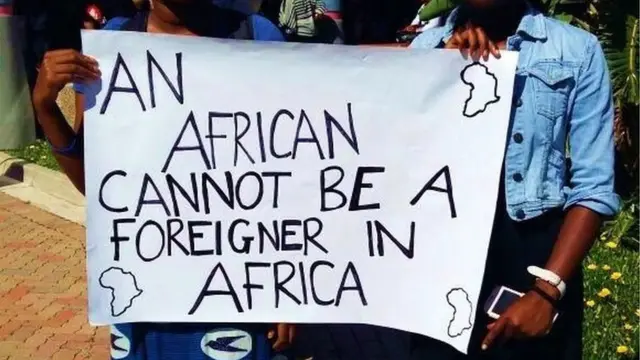
The warning comes as citizen-led groups intensify calls for undocumented migrants to leave South Africa, setting June 30 as an unofficial deadline and urging supporters to participate in demonstrations against illegal immigration across the country.
The campaign marks the latest escalation in months of anti-migrant protests, some of which have turned violent and resulted in fatalities.
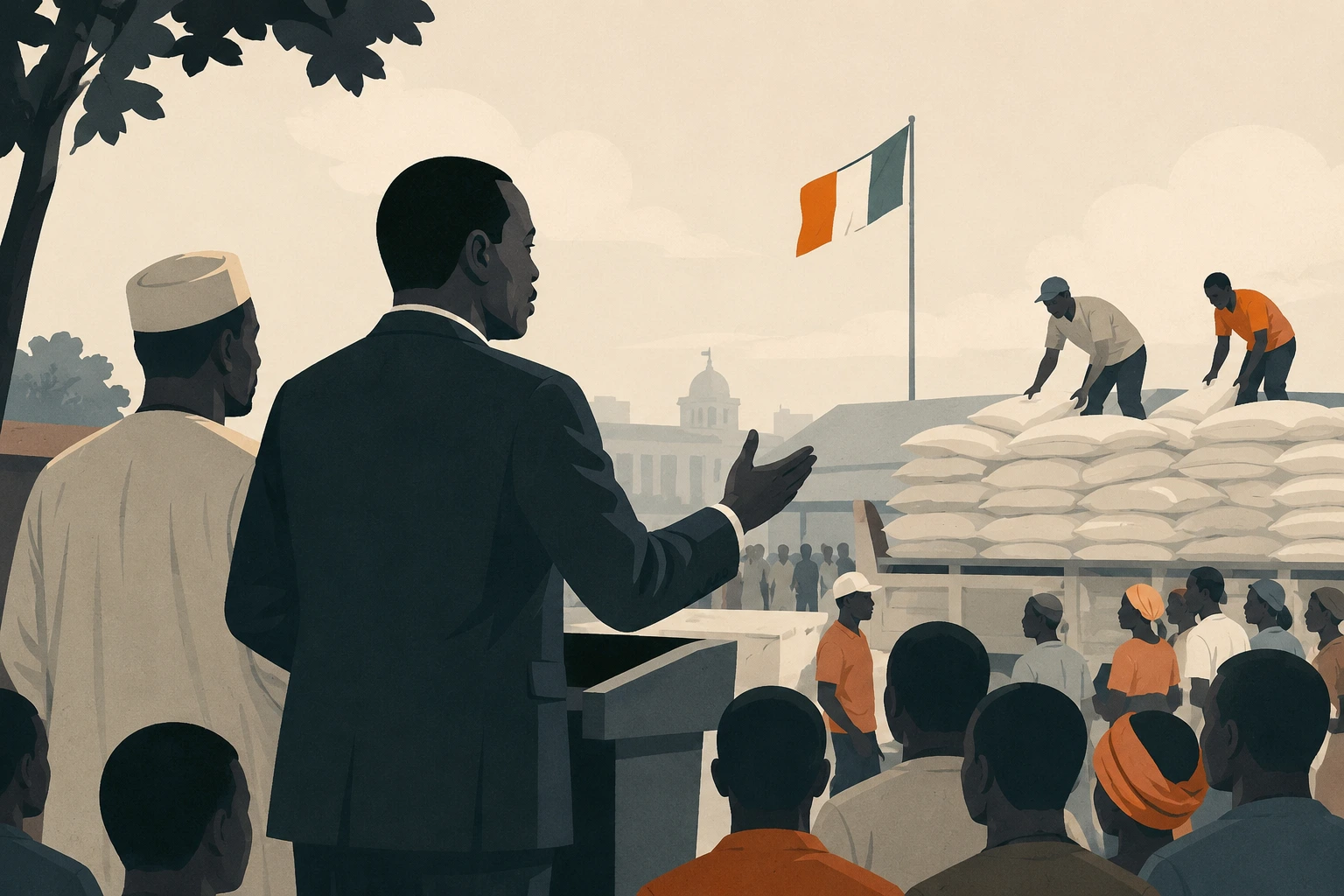
Speaking before parliament on Thursday, Ramaphosa said the government would not tolerate actions capable of undermining public order.
“We will not tolerate any attempts to destabilise the country by anyone, whether marching or otherwise,” the president said.
“Our security forces are ready, and those who transgress the measures that we are putting in place will definitely meet the might of the law.”
Security Tightened Ahead of June 30 Protests
South African authorities have announced heightened security measures nationwide in preparation for the planned demonstrations.
Police have increased deployments across major cities, while government officials have intensified engagements with community leaders, including members of the influential Zulu Royal House, in an effort to maintain peace and prevent violence.
The country has remained tense following weeks of xenophobic unrest that have left at least three people dead, according to official figures. Authorities in Mozambique have reported that five of their citizens were among the victims.
Thousands of Migrants Returning Home
The anti-immigration campaign has already triggered the voluntary departure of thousands of foreign nationals from countries including Nigeria, Ghana, Malawi and Mozambique.
Makeshift camps have emerged in major urban centres such as Durban and Johannesburg, where thousands of migrants are awaiting transportation back to their home countries.
Humanitarian organisations have warned that the growing displacement could develop into a broader humanitarian crisis if conditions deteriorate further.
Ramaphosa sought to reassure residents and businesses, stating that authorities are working to ensure June 30 remains a normal working day across the country.
Economic Pressures Fuel Tensions
As one of Africa’s largest and most industrialised economies, South Africa has long attracted migrants seeking employment and economic opportunities.
However, with unemployment standing at approximately 32 per cent, competition for jobs and resources has fuelled resentment among some South Africans, who blame undocumented migrants for rising poverty and crime.
The government and major labour unions have rejected those claims, arguing that migrants are being unfairly scapegoated for broader economic challenges.
Nevertheless, immigration has become a key political issue ahead of local government elections later this year, with some politicians using the debate to galvanise support among voters.
Shadow of Past Xenophobic Attacks
South Africa has experienced several deadly outbreaks of xenophobic violence over the years.
In 2008, riots targeting foreign nationals left 62 people dead in one of the country’s worst episodes of anti-immigrant violence.

Another wave of attacks in 2019 saw mobs target foreign-owned businesses around Johannesburg, resulting in at least 12 deaths, including 10 South African citizens.
With tensions rising once again, authorities say they are determined to prevent a repeat of those incidents and ensure the safety of all residents regardless of nationality.