Uber has launched its first public autonomous ride-hailing service in the United Kingdom, putting self-driving taxis on London streets just a day after the company ended its 12-year operation in Nigeria.
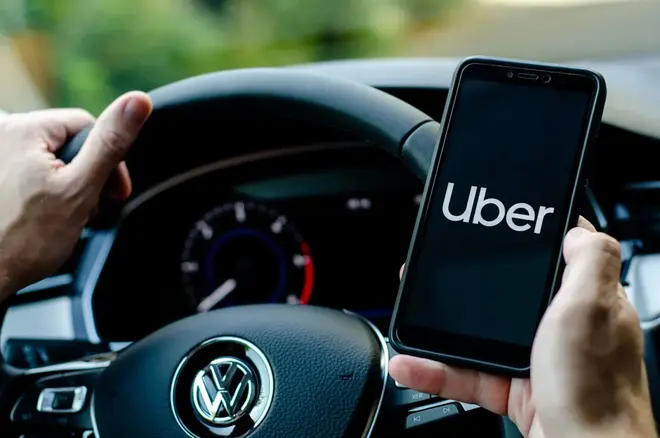
The London service, launched in partnership with British artificial intelligence company Wayve, allows passengers booking UberX, Uber Comfort or Uber Electric through the Uber app to be matched with a Wayve-powered autonomous vehicle at no additional cost.
Uber confirmed on September 2 that it had wound down its Nigerian operations after 12 years, citing a review of its “evolving business priorities and investment focus” across Africa. The company said its exit from Nigeria and Uganda would not affect operations in its other African markets.
Uber London Robotaxi Rollout
In London, the initial robotaxi fleet consists of just 15 Ford Mustang Mach-E electric vehicles fitted with Wayve’s AI Driver technology. The vehicles are being introduced gradually, meaning most Uber customers will continue to receive conventional driver-operated cars.
The vehicles are not yet fully driverless and a licensed human safety operator remains in the front seat to monitor the autonomous system and take control if necessary. Full driverless operation requires additional regulatory approval in the UK.
Uber-Wayve Partnership
Uber and Wayve first announced their partnership in 2024, with plans to deploy Wayve-powered autonomous vehicles across multiple markets. The London launch represents the first commercial public deployment of Wayve’s technology.
Wayve’s technology is designed around an AI learning model that allows vehicles to adapt to different roads and driving environments rather than relying primarily on detailed pre-mapped routes. The company has been testing its technology on London roads since 2018.
Wayve co-founder and CEO Alex Kendall described London as one of the world’s most complex driving environments and said the company was proud to introduce its AI Driver to the public in its home city.

The company plans to move beyond the initial Mustang fleet to manufacturer-produced vehicles, including Nissan Leaf robotaxis, as it validates the technology and secures the necessary regulatory approvals.
For Uber, the London launch is part of a broader strategy to incorporate autonomous vehicles into its ride-hailing platform rather than relying exclusively on human drivers.