Nearly 30 years after Tupac Shakur was killed in a Las Vegas drive-by shooting, a jury has convicted the man prosecutors said helped orchestrate the attack.
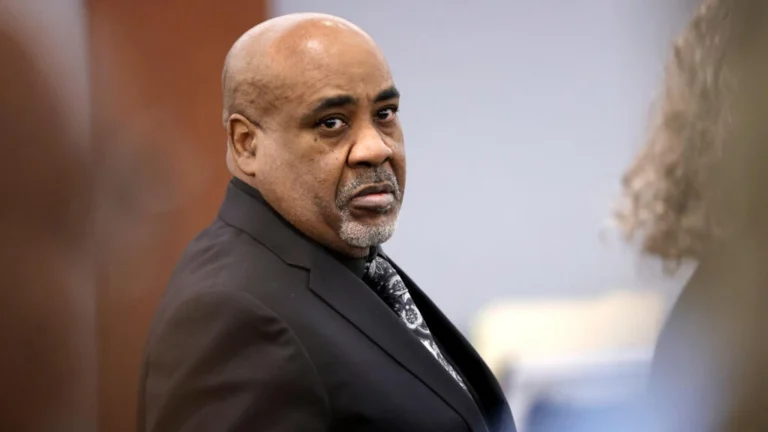
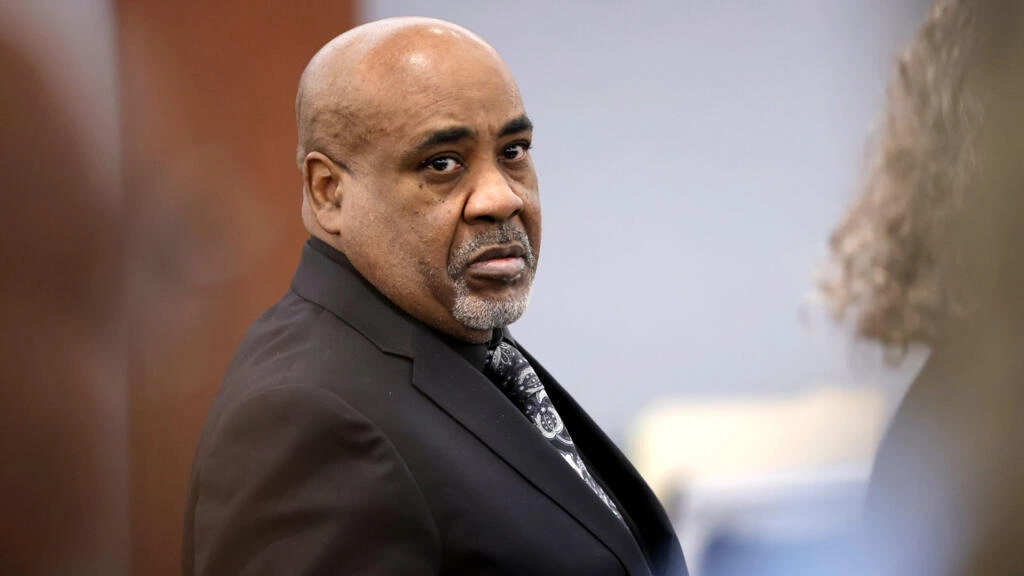
Duane “Keffe D” Davis, a former leader of the South Side Compton Crips, was found guilty of murder with a deadly weapon over Shakur’s 1996 killing.
The verdict is historic, but it also raises a question that has followed the case for years: if authorities had heard Davis discuss his involvement long before his arrest, why did it take nearly three decades to bring the case to trial?
The answer lies not in a single piece of evidence that suddenly appeared, but in a combination of reluctant witnesses, deaths of people connected to the shooting, legal restrictions around earlier statements and, eventually, Davis’ decision to speak publicly about the killing.
Tupac was killed in 1996. No one was arrested for 27 years
Shakur was shot on September 7, 1996, while travelling in a BMW with Death Row Records boss Marion “Suge” Knight after attending a Mike Tyson boxing match in Las Vegas.
He died six days later at the age of 25.
Investigators quickly focused on tensions surrounding a fight at the MGM Grand earlier that night, when Shakur and members of his entourage confronted Orlando Anderson, Davis’ nephew and a member of the South Side Compton Crips.
Prosecutors would later argue that the shooting was retaliation for that confrontation.
But knowing the likely motive was not the same as having a case that could be taken to court.
For years, no one was arrested in connection with Shakur’s killing.
Police had heard Davis’ account years earlier
One of the most striking aspects of the case is that Davis was not an unknown figure who suddenly emerged three decades later.
He had spoken to investigators about the killing years before his arrest.
In 2008, Davis was interviewed by Los Angeles police detectives investigating the murder of another rap superstar, Christopher Wallace, better known as The Notorious B.I.G.
During that investigation, Davis discussed his own activities and his connection to the people involved in Shakur’s killing.
He also spoke with Las Vegas police in 2009.
Those interviews became complicated by the circumstances under which they were conducted. Davis had been given protections relating to information he provided to authorities, creating legal questions over how his earlier statements could be used against him.
That meant that simply having a recording of Davis discussing the shooting did not automatically translate into a murder prosecution.
Then Davis started talking publicly
The major change came when Davis began discussing the killing publicly.
He gave interviews, appeared in documentaries and eventually helped publish the 2019 memoir Compton Street Legend.
In those accounts, Davis repeatedly placed himself inside the white Cadillac from which the shots were fired.
Prosecutors later used those statements as a central part of their case.
The distinction was important.
Davis was not accused of personally firing the bullet that killed Shakur. Prosecutors argued that he was the organiser or “shot caller” who helped plan the retaliation, supplied the weapon and was present in the vehicle.
They identified Anderson as the person they believed fired the fatal shots. Anderson died in an unrelated shooting in 1998 and had denied involvement in Shakur’s murder.
Davis’ own public statements therefore became increasingly important because they gave prosecutors material that was separate from the earlier protected conversations with investigators.
Why weren’t those statements enough years earlier?
This is where the case becomes more complicated.
Investigators faced a number of obstacles.
People who were believed to have information were reluctant to cooperate. Some of the people connected to the shooting died over the years.
There was also a problem with the evidence.
The prosecution did not have a simple forensic case linking Davis directly to the shooting. Instead, much of its case rested on what Davis himself had said about the events.
His defence argued that those statements were unreliable and that Davis had exaggerated his involvement to sell books, attract attention and make money.
That argument became one of the central battles of the trial.
Prosecutors, however, argued that Davis had repeatedly told substantially the same story in different settings and that his own words established his role in the attack.
The 2019 memoir helped change the case
Davis’ memoir became particularly significant because it was published years after his earlier conversations with investigators.
By putting his account into a commercial book and discussing it publicly, Davis gave investigators a new body of statements to examine.
Las Vegas police later said his public admissions helped reinvigorate the investigation.
In July 2023, investigators searched Davis’ home in Henderson, Nevada, under a warrant and seized material they said was connected to the investigation.
Two months later, Davis was arrested and charged with murder.
The arrest came 27 years after Shakur’s death.
The Los Angeles Times reported at the time that Clark County Sheriff Kevin McMahill said Davis’ admissions had given the investigation new life and that investigators believed it might be their last opportunity to successfully pursue the case.
What changed between 2009 and 2023?
The answer is therefore more complicated than saying police suddenly discovered who killed Tupac.
They already had information about Davis.
What changed was the evidentiary and legal landscape around that information.
Earlier statements had been made in circumstances that created limitations on their use. Davis then spent years making additional statements publicly, including in his memoir.
At the same time, investigators continued working the case while many of the people who could have provided direct testimony were no longer available.
By the time Davis was arrested, prosecutors had a collection of statements they could present to a jury, along with evidence gathered during the renewed investigation.
The prosecution ultimately built its case around Davis’ own words.
What happened at the trial?
At trial, prosecutors argued that Davis was responsible for orchestrating the attack even though he was not the gunman.
They presented his interviews and public statements to jurors and argued that his repeated accounts were admissions of responsibility.
The defence countered that Davis had created an exaggerated version of events for financial gain and notoriety.
The lack of physical evidence directly connecting Davis to the shooting was also a major part of the defence argument.
But the jury rejected that case.
After deliberating for less than three hours, jurors found Davis guilty.
The conviction makes him the first person to be successfully prosecuted in connection with Tupac Shakur’s murder.
So, who killed Tupac?
The legal answer is now more specific than it was before the trial.
Davis has been convicted of murder for his role in the killing.
But prosecutors did not claim that Davis himself pulled the trigger.
Their case was that he organised the retaliatory attack, supplied the weapon and participated in the vehicle from which the shots were fired.
The identity of the person who physically fired the fatal shots remains a separate part of the story, particularly because Anderson, whom prosecutors linked to the shooting, died years before Davis was charged.
That distinction is important when describing the verdict: Davis has been convicted of murder, but the conviction does not mean he was found to have personally fired the gun.
A 30-year mystery reaches its first conviction
Tupac’s murder became one of the most enduring mysteries in popular culture because the rapper was already an international star when he was killed and because the case remained unresolved for decades.
His death also occurred during a period of intense rivalry between the East Coast and West Coast hip-hop scenes, adding another layer of speculation to the investigation.
For years, theories about who was responsible circulated among fans, journalists and investigators.
The case finally moved when a man who had been discussing his involvement for years became the centre of a prosecutable case.
That is what makes the Tupac verdict unusual.
The breakthrough was not simply the discovery of a new suspect. It was the transformation of years of statements, investigation and previously difficult-to-use information into a case that prosecutors could finally put before a jury.
Davis has indicated that he intends to appeal.

His sentencing is scheduled for October 13.
For Shakur’s family and millions of fans, the conviction marks the first criminal judgment in a case that had remained unresolved since the rapper’s death in 1996.