US President Donald Trump has reversed his proposal to impose a 20% fee on ships transiting the Strait of Hormuz, saying Gulf states have instead agreed to make “massive” investments in the United States.
The announcement marks a significant policy shift just a day after Trump proposed charging vessels for safe passage through one of the world’s busiest oil shipping lanes amid the escalating conflict with Iran.
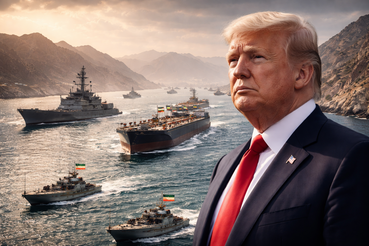
In a post on Truth Social on Tuesday, Trump declared that the strategic waterway would remain open to international shipping, with the exception of vessels linked to Iran.
“The Strait of Hormuz is open to ALL Ship traffic except for Iran,” Trump wrote. “We will therefore have a FULL Blockade, but only on Ships coming to and from Iranian ports, or carrying anything have to do with Iranian cargo.”
The US president said he had decided to abandon the proposed 20% transit fee following discussions with leaders from Gulf nations.
“Based on highly productive conversations with Middle East leadership, I have decided to replace the 20% United States Reimbursement Fee with Trade and Investment Deals that the various Gulf States will be making into the United States,” Trump said.
He described the planned investments as “MASSIVE,” adding that they would lead to the construction of factories, industrial plants and equipment manufacturing facilities across the United States, creating “millions of high-paying American jobs.”
Trump also reiterated his administration’s hardline stance on Iran, insisting that Iran would never be allowed to acquire nuclear weapons.
“America is WINNING again, winning like never before… IRAN WILL NEVER HAVE A NUCLEAR WEAPON,” he said.

US -Iran Continue to Trade Strikes
The policy reversal comes as the military confrontation between the United States and Iran intensifies. US forces carried out another round of strikes against Iranian targets on Tuesday, while reports emerged of explosions in several Iranian cities, including Bushehr and Bandar Abbas.
Oil markets reacted to the renewed hostilities, with Brent crude rising above $87 per barrel, its highest level in four weeks, amid concerns over potential disruptions to global energy supplies.