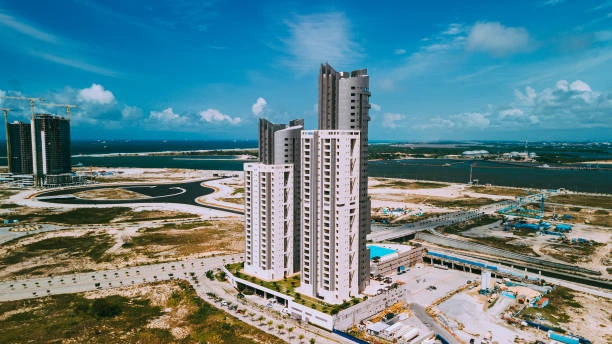
The National Pension Commission (PenCom) is working towards mobilising nearly N300 billion in pension assets for infrastructure projects, as the regulator seeks to expand the role of long-term pension capital in financing Nigeria’s development.
PenCom Director-General Omolola Oloworaran disclosed the plan in Lagos following a meeting of the Pension Industry Leaders Council (PILC).
According to Oloworaran, pension fund operators have so far committed N241 billion through an infrastructure investment framework developed in collaboration with FSD Africa.
She said the value of commitments could rise to approximately N300 billion once outstanding commitments are received, with actual investment deployment expected to start in the second quarter of 2027.
Pension funds to support long-term infrastructure
The initiative is designed to channel a portion of Nigeria’s substantial pension savings into infrastructure assets while giving pension funds access to investments capable of generating returns that can keep pace with inflation.
Oloworaran described the infrastructure programme as an early stage of a broader effort to transform the pension industry and expand the economic role of pension savings.
She said the industry’s involvement in infrastructure financing was only beginning, signalling the regulator’s intention to deepen pension investment in long-term assets.
PenCom begins global assessment of pension industry
Beyond infrastructure investment, PenCom is also undertaking a broader review of Nigeria’s pension industry against international benchmarks.
Oloworaran said the commission had approved an independent global benchmark maturity assessment to evaluate the industry’s performance in areas including corporate governance, market compliance and operational practices.
The assessment is expected to provide a basis for identifying areas where Nigeria’s pension system can align more closely with international standards.
PenCom and pension industry leaders are also working on the Pension Transformation Agenda 2030, which is intended to bring together ongoing reforms and define the sector’s priorities through the end of the decade.
Focus shifts to retirement outcomes
According to Oloworaran, the transformation agenda will not be limited to industry growth but will also examine how pension reforms affect Nigerians and their retirement prospects.
She said discussions among industry leaders were increasingly focused on where the pension sector should be by 2030 and the practical impact of reforms on ordinary Nigerians.

The regulator also announced that the 2026 National Pension Week will take place from October 26 to 30.
The planned infrastructure investments come as Nigeria continues to seek new sources of long-term domestic financing for infrastructure, while pension funds remain one of the country’s largest pools of institutional capital.