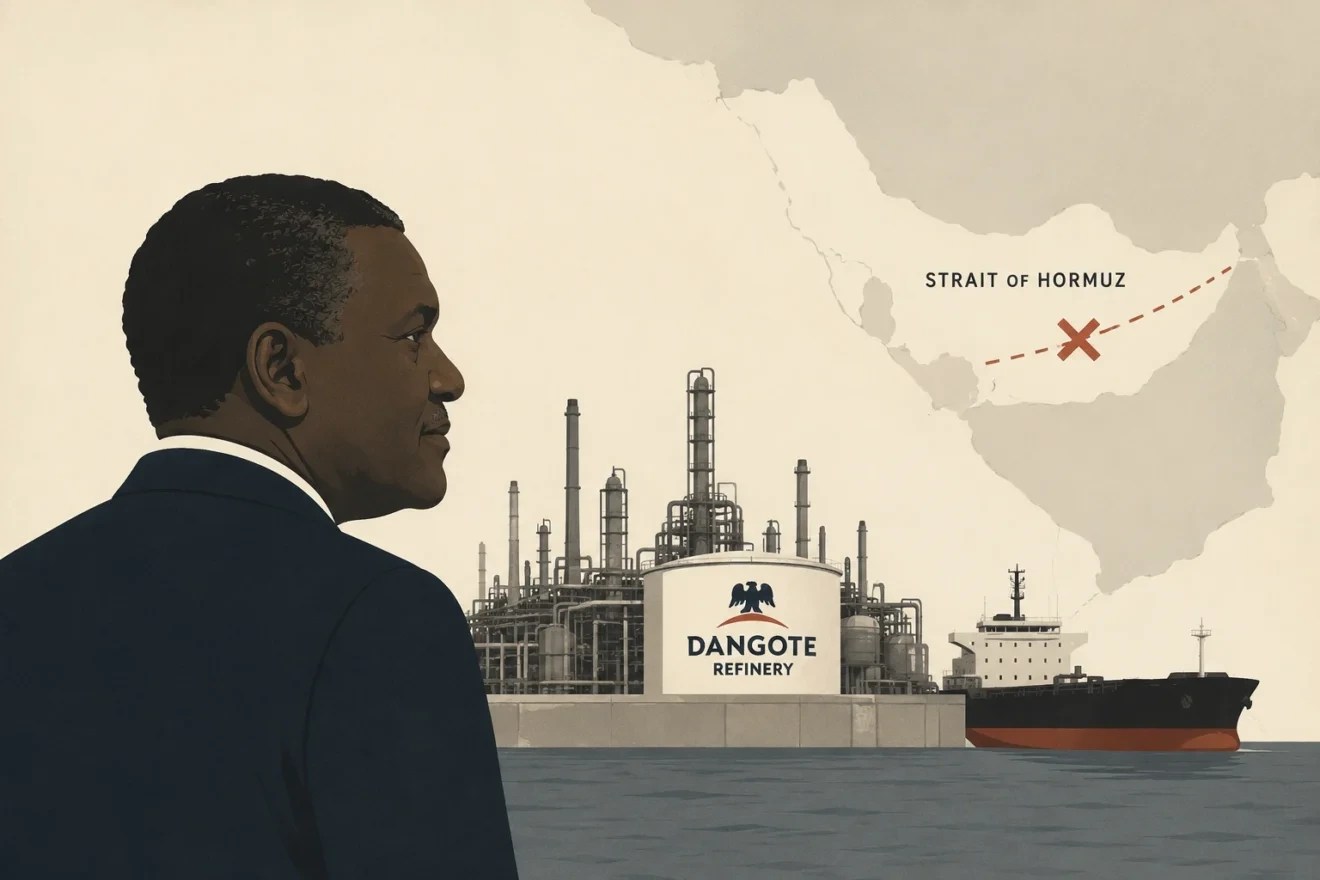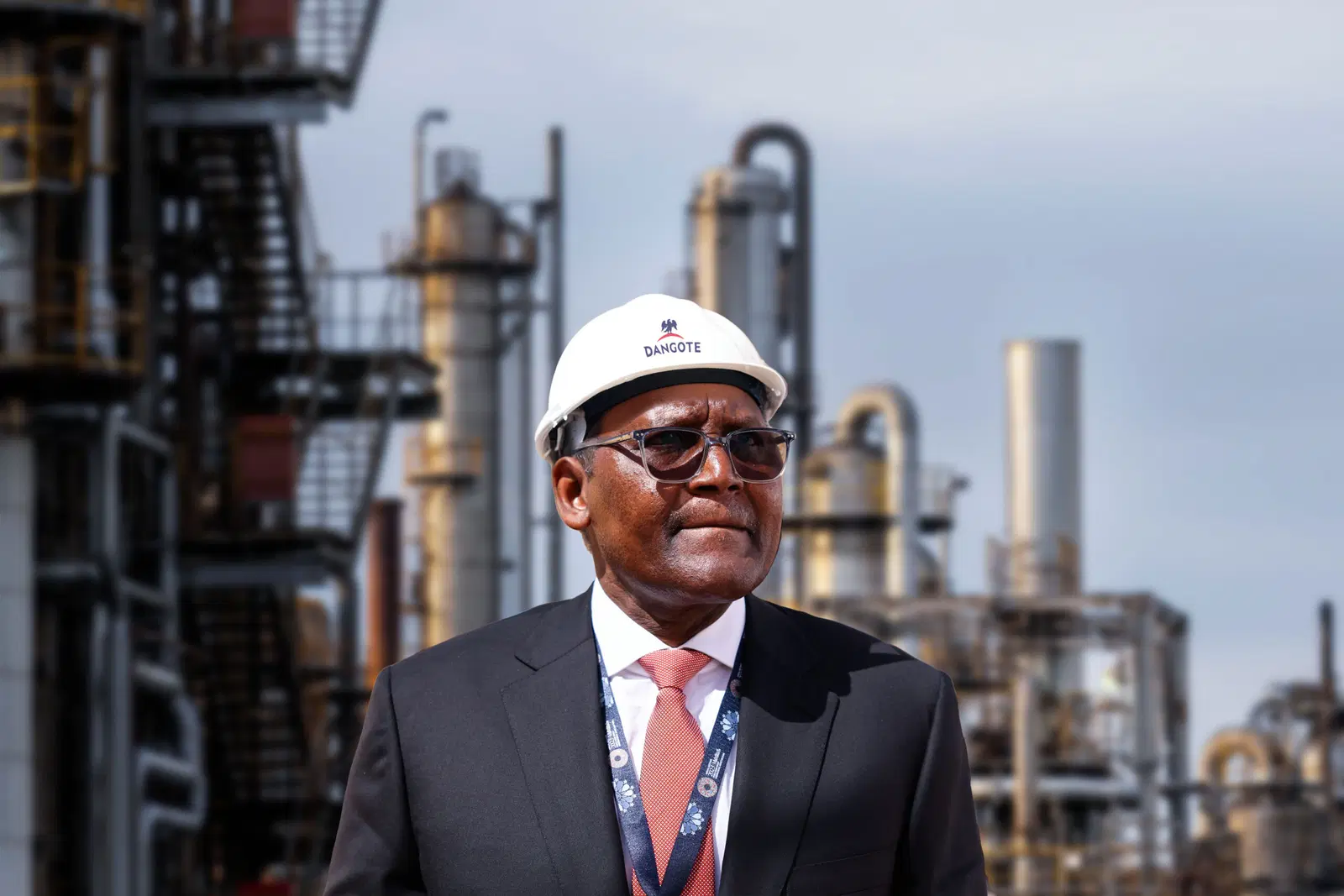
Aliko Dangote is preparing to take his refinery ambitions beyond Nigeria, with plans for a massive 700,000-barrel-per-day facility in Kenya that could cost between $15 billion and $16 billion.
The proposed refinery, expected to be completed by 2030, will be located in Lamu, a deep-water port on Kenya’s coast. Dangote’s company plans to hold a groundbreaking ceremony later this month.
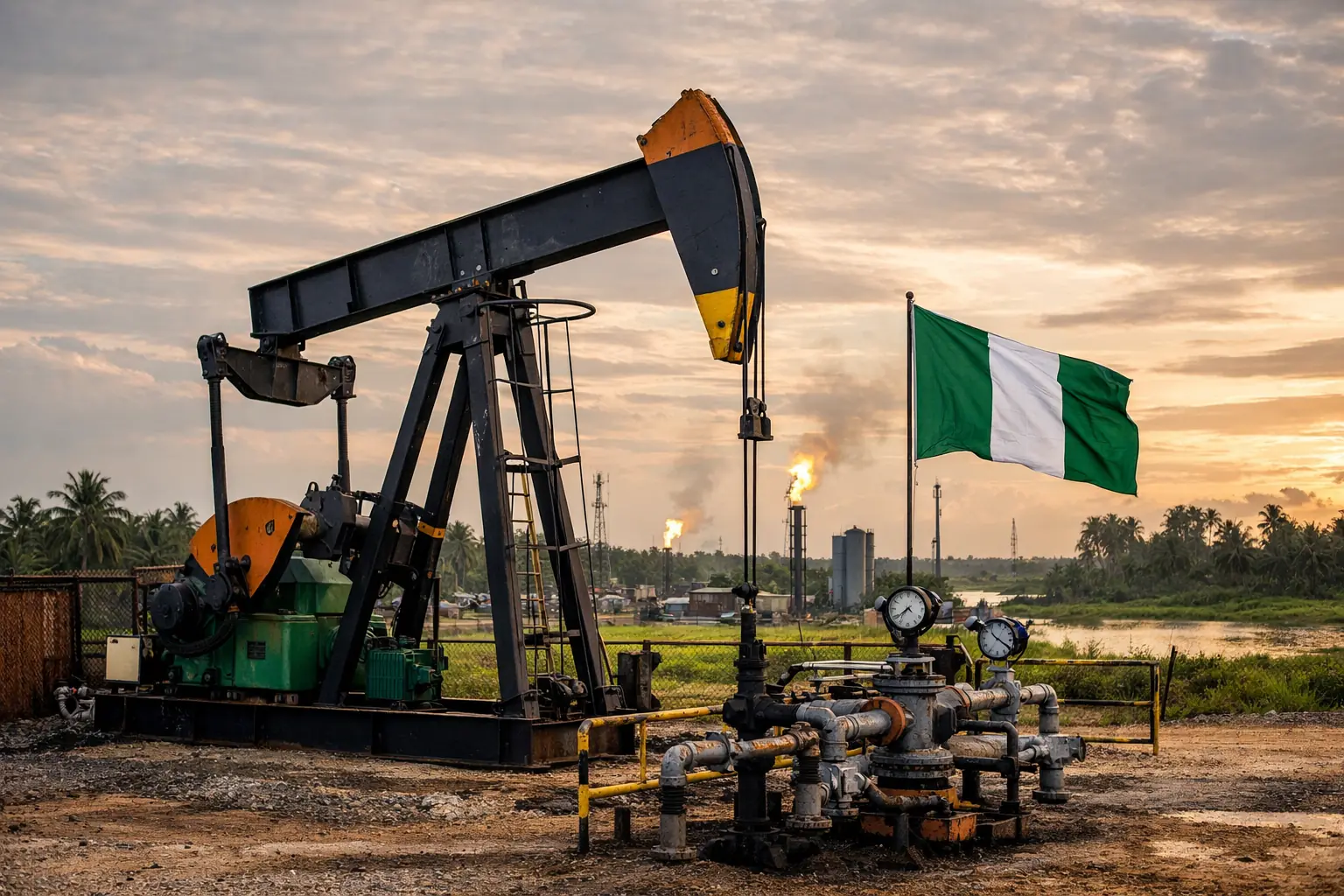
But while the project resembles the strategy behind the Dangote Refinery in Lagos, Kenya presents a fundamentally different challenge: the country does not currently have commercial crude oil production capable of supplying such a large refinery.
That raises questions over how the plant will secure enough crude, build the infrastructure needed to receive it and finance one of Africa’s largest energy projects.
Kenya needs crude before it needs a refinery
The biggest challenge for the Lamu refinery may be feedstock.
Kenya has proven oil reserves and has spent years attempting to commercialise production from its Lokichar Basin. Small-scale production is expected later this year, but domestic output is nowhere near what would be required to supply a 700,000-barrel-per-day refinery.
Kenyan officials have suggested that the refinery could eventually source as much as 600,000 barrels per day from East Africa, including crude from Kenya, Uganda and South Sudan.
Getting those barrels to Lamu, however, would require substantial additional infrastructure and cooperation between several countries.
Uganda’s crude is currently expected to move towards Tanzania through the East African Crude Oil Pipeline, while South Sudan’s exports traditionally depend on infrastructure running through Sudan.
A proposed pipeline connecting South Sudan and Kenya’s Lokichar oil fields to Lamu remains some way from becoming operational.
That means the refinery could initially have to rely heavily on crude imported by sea.
For a plant of this size, that would expose Dangote’s Kenyan operation to international crude prices, shipping costs and geopolitical disruptions.
Lamu infrastructure is not yet ready
The choice of Lamu gives the project an important advantage: access to a deep-water port.
The refinery is expected to sit within the Lamu Port-South Sudan-Ethiopia Transport (LAPSSET) special economic zone, a major infrastructure corridor designed to connect Kenya’s coast with inland East Africa.
But the infrastructure required to support a major refinery is still incomplete.
Lamu’s plans include crude oil storage facilities capable of holding between 1 million and 1.5 million barrels, alongside marine loading infrastructure capable of handling Suezmax-class vessels.
Much of that infrastructure has yet to be built.
This creates a sequencing problem for Dangote: the refinery requires reliable crude supplies and logistics infrastructure, while some of the infrastructure itself will need to be developed alongside the refinery.
Dangote faces a much bigger funding challenge
Financing could prove just as difficult.
Dangote Group said it plans to use a combination of internal cash flow, bonds and an initial public offering to fund the Kenyan refinery.
The group is already preparing to list its Nigerian refinery, with the IPO expected to raise between $1.55 billion and $1.8 billion, according to earlier reports.
Dangote also announced plans this week to invest $14.3 billion to double the processing capacity of its Lagos refinery.
That comes on top of other energy investments being pursued by the group across Africa.
Analysts estimate that Dangote could need roughly $40 billion between 2025 and 2030 for its announced energy projects, including the Lamu refinery.
That makes competition for capital an important risk for the Kenyan project.
The company could also seek financing from commercial banks and development finance institutions such as Afreximbank, while Dangote himself could contribute equity.
East African governments could become investors
Dangote has indicated that countries including Rwanda, South Sudan, Tanzania and Uganda could collectively take as much as a 30% stake in the refinery.
Such participation could provide additional capital while giving regional governments a direct financial interest in ensuring that the refinery succeeds.
It could also help create guaranteed markets for the refinery’s products across East Africa.
However, details of the proposed ownership arrangements have not yet been disclosed.
The commercial logic is straightforward: Kenya spends billions of dollars importing petroleum products, while neighbouring countries also depend heavily on imported refined fuel.
A large refinery on the East African coast could therefore become a regional supply hub.
Kenya wants to end its dependence on imported fuel
The proposed refinery is particularly important for Kenya because the country currently relies heavily on imported petroleum products.
Kenya spent about $4 billion on petroleum product imports last year, making petroleum one of the country’s largest import categories.
The country’s previous refinery was shut down in 2013 after India’s Essar Energy exited the project.
President William Ruto has backed the new refinery as a potential catalyst for economic growth and greater energy security.
For Kenya, the attraction is not simply producing fuel domestically. A large refinery could reduce exposure to imported refined products, create industrial activity around Lamu and strengthen the country’s position as an energy gateway for East Africa.
Environmental concerns add another layer of risk
The project is also facing environmental scrutiny.
Lamu Old Town, a UNESCO World Heritage site, is located about 10 kilometres from the port. Environmental campaigners have raised concerns about potential damage to marine ecosystems and local habitats.
Greenpeace Africa has called for the refinery project to be halted over concerns about habitat destruction and marine degradation.
Those concerns could complicate the project’s ability to secure some forms of international financing, particularly as environmental, social and governance standards increasingly influence large infrastructure investments.
Dangote’s Nigerian success faces a different test in Kenya
The Lamu refinery represents an attempt to replicate the industrial model behind Dangote’s Nigerian project: build at enormous scale, secure regional demand and eventually turn a major fuel-importing market into a refining and export hub.
But Kenya lacks one of the biggest advantages Dangote had in Nigeria — a large domestic crude-producing industry.
The Nigerian refinery can draw on crude from one of Africa’s biggest oil-producing countries, although it has also had to supplement domestic supplies with imported crude.
In Kenya, the question of where hundreds of thousands of barrels of crude will come from is much more fundamental.
The project’s success will therefore depend not only on Dangote’s ability to construct the refinery but also on whether East Africa can develop the pipelines, storage facilities, port infrastructure and regional agreements required to keep it supplied.
With billions of dollars already committed or planned across Dangote’s energy portfolio, the Lamu refinery is likely to be one of the group’s most ambitious — and financially demanding — projects yet.

If executed successfully, it could reshape fuel supply across East Africa.
If the crude supply and financing problems prove too difficult, however, the scale of the investment could turn the project into a costly underused asset.