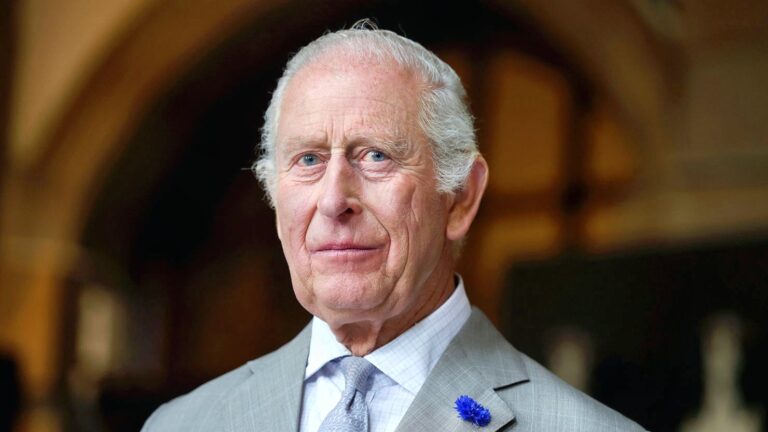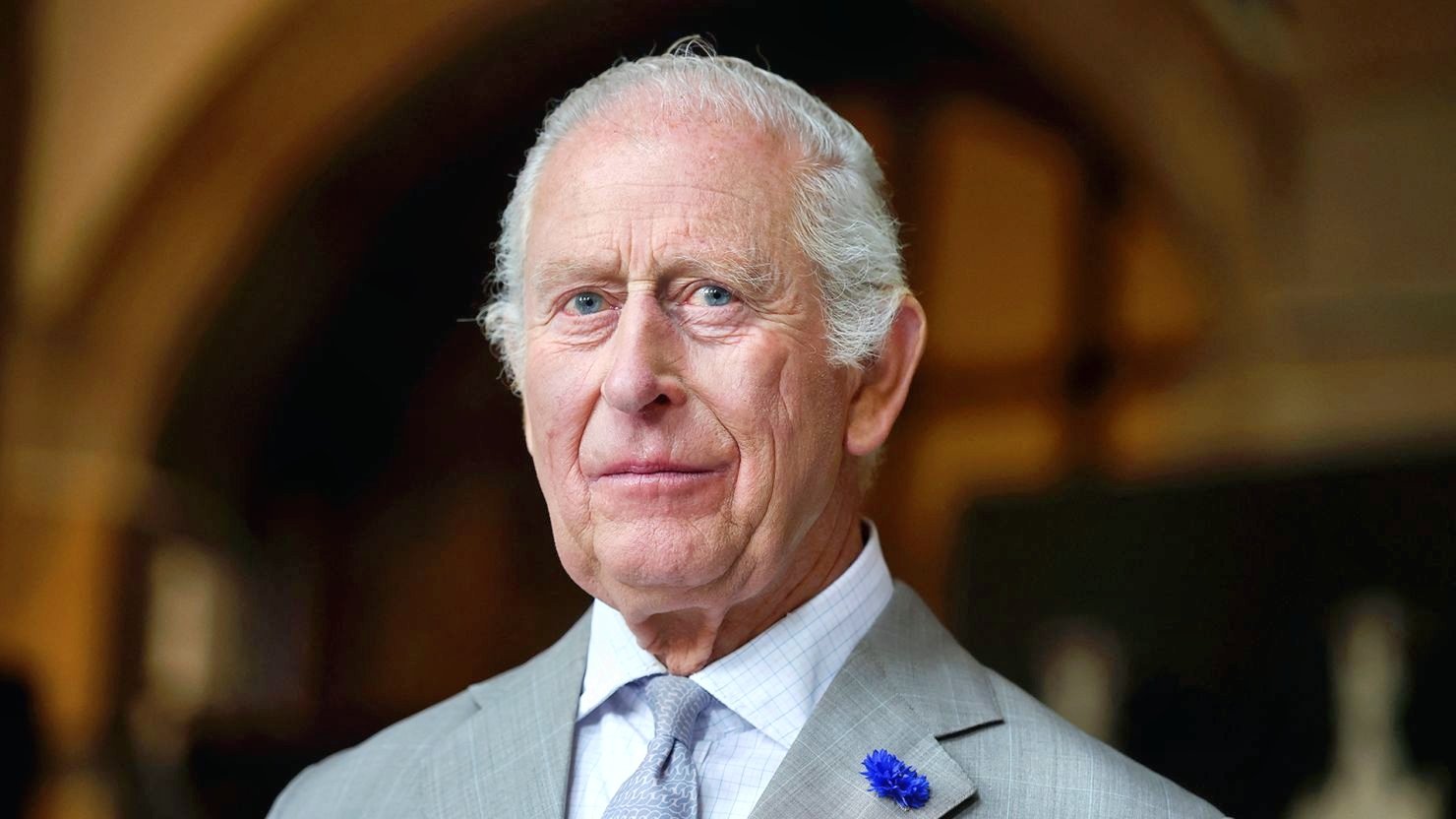
The Essex-based station told listeners that King Charles III had died, followed the announcement with the national anthem and then went silent for 16 minutes on its DAB+ service. The broadcast was false. The King was alive and, at the time, was in Northern Ireland with Queen Camilla.
The episode has now become a regulatory case rather than simply an embarrassing broadcasting error. Britain’s communications regulator, Ofcom, found Radio Caroline in breach of rules requiring news to be reported with due accuracy and significant mistakes to be corrected quickly.
The regulator judged the false death announcement to be a “very significant inaccuracy” involving a matter of “very high public interest.”
That distinction matters. Broadcasters make factual mistakes every day. A mistaken traffic report, election figure or sports score can be corrected without altering the wider information environment. A false announcement that the British monarch has died is different: it is itself an event capable of triggering immediate political, constitutional and international consequences.
Britain has a system for the King’s death. Radio Caroline accidentally used it.
The existence of the recording was not itself unusual.
British broadcasters maintain contingency material for major national events, including the death of a monarch. Radio Caroline’s manager, Peter Moore, described the material as part of a “Death of a Monarch” procedure that stations keep ready while hoping never to use it. Earlier accounts of the incident described the initial failure simply as a computer error.
The problem was that the material was accessible when it should not have been.
According to Ofcom’s account, a staff member performing maintenance accessed pre-recorded obituary files and played them “out of curiosity”. The recordings interrupted the programme being streamed remotely.
That turned what should have been a dormant emergency procedure into a live broadcast.
The presenter did not immediately know that the programme had been displaced because they were working remotely. Radio Caroline said a presenter in that arrangement would not necessarily realise they were off air without monitoring the station’s output separately.
The staff member who recognised the mistake stopped the recordings but then left the premises in panic. The station director, who was monitoring the AM service, was on a call and noticed the problem only after hearing continuous music rather than the scheduled programme.
The correction came roughly half an hour after the false announcement.
The sequence is revealing because no single dramatic failure was required. A stored recording had to be accessible, it had to be selected, the remote presenter had to be unaware of the interruption and the station’s monitoring arrangements had to fail to catch the error immediately.
The result was a broadcast that sounded sufficiently authentic to imitate a genuine national emergency.
The regulator was concerned about more than the number of complaints
Only two complaints were submitted to Ofcom.
That might appear modest for a broadcast of such consequence. But the regulator’s decision was not based simply on how many listeners complained.
Ofcom’s broadcasting rules impose particular obligations on news accuracy. Rule 5.1 requires due accuracy in news, while Rule 5.2 requires significant mistakes to be corrected quickly. The regulatory framework sits within the wider system established by UK communications law, under which Ofcom has responsibility for regulating television and radio broadcasting.
The key issue was therefore not whether thousands of people believed Charles had died. It was whether a broadcaster had transmitted an exceptionally consequential claim without adequate editorial safeguards.
It had.
The fact that the broadcast lasted only a limited period did not remove the problem. A false report of a monarch’s death can travel faster than the correction that follows it, particularly in an environment in which recordings can be clipped, reposted and circulated independently of the original broadcast.
The incident occurred on 19 May, when Charles and Camilla were in Northern Ireland on an official visit. Contemporary reports noted that the King was appearing publicly in Belfast that day, making the false announcement particularly jarring.
Why a royal death carries unusual consequences
The British monarchy is not simply a ceremonial institution.
The death of a sovereign would set in motion an established constitutional transition. The accession of the heir, the proclamation of the new monarch, arrangements for the funeral and changes to official ceremonies would all follow.
It would also produce immediate international news.
Charles is head of state of the United Kingdom and several other Commonwealth realms. His death would therefore be reported simultaneously across governments, financial markets, diplomatic missions and news organisations around the world.
That is why broadcasters prepare material in advance.
The paradox exposed by the Radio Caroline incident is that the same preparation designed to allow broadcasters to respond quickly to a genuine national emergency also creates a potentially dangerous failure point if the material is activated prematurely.
The contingency system has to be both accessible enough to work immediately when needed and sufficiently protected that it cannot be triggered accidentally.
Radio Caroline’s mistake demonstrated what happens when those two requirements collide.
Radio Caroline’s history makes the episode particularly striking
The station’s origins add another layer to the story.
Radio Caroline began broadcasting in 1964 as an offshore pirate station, challenging the BBC-dominated British radio system from a ship in international waters. It remained associated with ship-based broadcasting for decades before its vessel was wrecked off the Kent coast in 1991.
The station survived the end of the pirate-radio era and continues broadcasting from the Essex coast, although much of its programming is now produced remotely.
That evolution mirrors the wider transformation of radio itself.
The technical barriers that once required a transmitter, studio and broadcasting vessel can now be replaced by internet connections and remote production systems. A presenter can be hundreds of miles from the transmitter and still appear live to listeners.
But the Radio Caroline incident demonstrates that the technological flexibility of modern radio can introduce new editorial vulnerabilities.
A presenter sitting in a studio would have obvious physical cues that the programme had been interrupted. A remote presenter may not.
The station’s response reflects that lesson. The employee involved was reprimanded, while the obituary files were moved away from the studio desktop to reduce the possibility of another accidental activation.
The broader lesson is about systems, not one employee
Radio Caroline said it took the incident seriously and pointed to its status as a 100% volunteer-led organisation without the resources available to larger broadcasters.
That helps explain the circumstances but does not eliminate the regulatory obligation.
The Broadcasting Code does not make an exception for small stations when a factual error concerns an event of exceptional public importance. The same principle underpins modern media regulation more broadly: the reliability of information depends not only on the intentions of journalists and presenters but on the systems surrounding them.
In this case, the person who triggered the recording may not have intended to deceive anyone. The presenter did not knowingly repeat a false report. The station director did not deliberately allow the announcement to continue.
Yet the system still produced a false piece of breaking news.
That is precisely why the Ofcom ruling matters.
The incident is a reminder that accuracy in broadcasting is not achieved simply by telling journalists to check their facts. It also depends on access controls, monitoring, production procedures, separation of emergency material from ordinary programming and clear mechanisms for correcting errors.

For a routine news bulletin, those safeguards may seem bureaucratic.
For a monarch’s death, they are the difference between preparedness and misinformation.