Growing Pattern of Vehicle Purchases
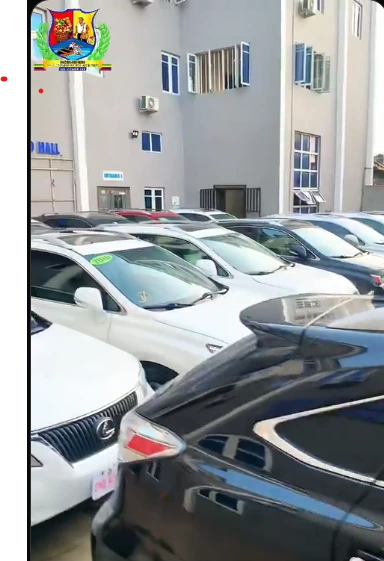
There has been a noticeable pattern of Lagos local-government chairmen providing SUVs and other official vehicles to councillors and political appointees in 2026, making Princess Samiat Abolanle Bada’s distribution of 35 Lexus SUVs at Ikosi-Isheri LCDA consistent with a pattern.
In July 7, Moyosore Adebanjo, chairman of Onigbongbo LCDA, presented brand-new SUVs to members of the council’s legislative arm. Adebanjo said the vehicles were intended to address the mobility challenges faced by councillors in carrying out their legislative and oversight responsibilities.
On May 16, 2026, Olufemi Akanbi Okeowo, chairman of Ifelodun LCDA, went further by presenting eight brand-new Toyota Highlander SUVs. Seven went to the ward councillors of the sixth legislative council, while an eighth was given to the Chief of Staff, Bolaji Ayinde Mudashiru. The Chief of Staff received the same model because of what the chairman described as “the strategic role of the office in ensuring seamless coordination and effective administration,”

On April 22, 2026, Ejigbo LCDA chairman Tahoeed Adebayo Taiwo also distributed vehicles across his administration. The beneficiaries reportedly included the vice-chairman, Chief of Staff, councillors, the revenue unit, environment department and the divisional police headquarters.
Earlier, on March 9, 2026, Jimoh Olawale Saliu, chairman of Apapa-Iganmu LCDA, presented official vehicles to councillors during a ceremony at the council secretariat while on January 20, 2026, Adeola Alimot Adetoro, chairman of Eti-Osa Local Government, presented official vehicles to councillors. The Eti-Osa case became controversia when social critic Scott Iguma criticised Adetoro over the reported purchase of SUVs for councillors, arguing that the council should concentrate on basic infrastructure and other pressing needs. Eti-Osa East LCDA chairman Biliaminu Samson Agunbiade also presented official SUVs to the council’s legislative and executive arms on January 19.
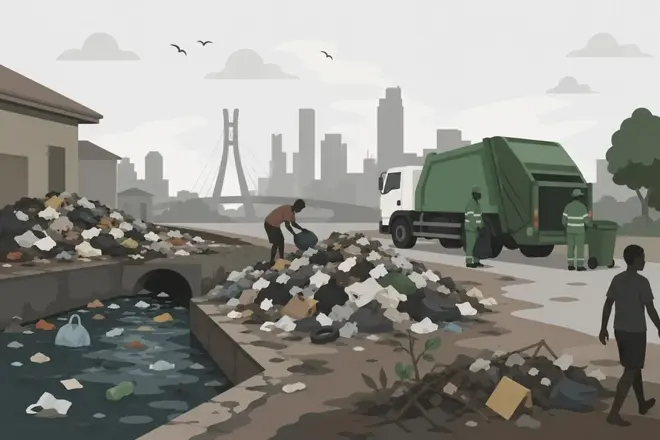
The purchases raise questions about the prioritisation of public funds at the local-government level, particularly in councils where residents also face demands for better roads, sanitation, primary healthcare, schools, waste management and other basic services.