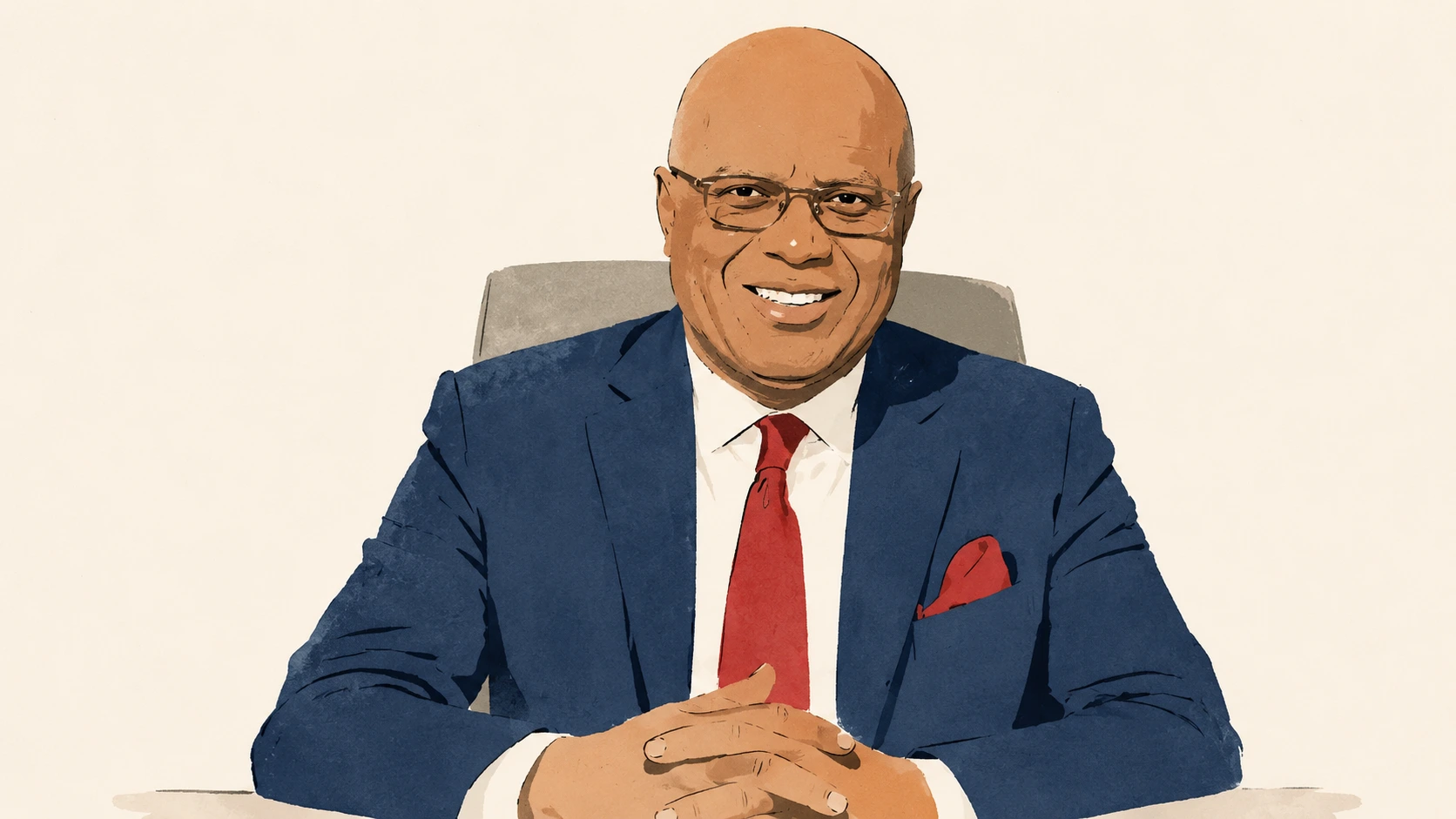
Akwa Ibom State Governor, Umo Eno, says his administration has saved more than ₦200 billion by enforcing due process, financial prudence and transparency in the execution of public projects. However, while the announcement reinforces the government’s message of fiscal discipline, it has also raised important questions about public accountability and independent verification.
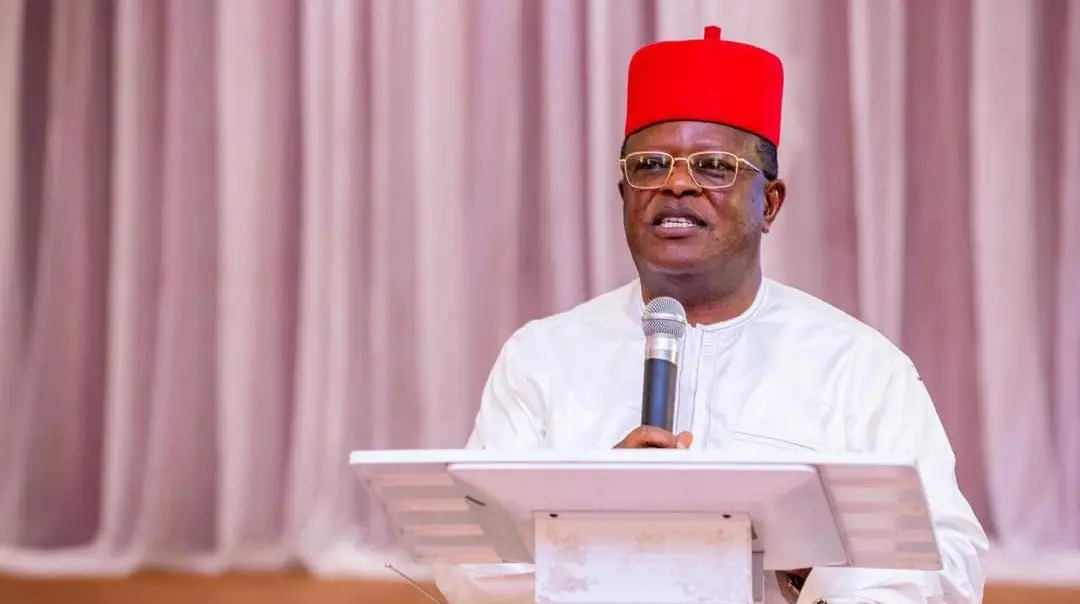
Speaking during the State Projects Delivery Meeting at the Government House in Uyo, Eno attributed the savings to the state’s in-house quantity surveying mechanism, which he said reviews project costs before contracts are executed. According to him, the money saved has been redirected to priority development projects under the administration’s ARISE Agenda.
The governor described the meeting as part of efforts to keep citizens informed about government spending and insisted that transparency remains central to his administration.
“We remain committed to due process, transparency and prudent financial management,” he said, adding that the government would continue to ensure value for public funds.
The Evidence Behind the Figures
While the ₦200 billion figure is one of the administration’s biggest fiscal claims since assuming office, the government has yet to release a detailed breakdown showing how the savings were calculated.
No publicly available documents currently show the original contract values, revised project costs or the specific contracts through which the reported savings were achieved. Likewise, there has been no publicly released independent audit certifying the figure.
For public finance experts, this distinction matters. Governments frequently renegotiate contracts, redesign projects or remove inflated estimates during procurement, but transparency requires that such savings be backed by documentation that can be independently scrutinised.
Without project-by-project financial records, the reported savings remain an official government claim rather than an independently verified fact.
Transparency Means More Than Announcements
The governor repeatedly cited transparency as a hallmark of his administration.
However, accountability advocates argue that transparency extends beyond public briefings. It includes publishing procurement records, Bills of Quantities, contract variations, payment schedules and audit reports so that citizens, journalists and oversight institutions can verify government claims independently.
Such disclosures are increasingly regarded as international best practice in public financial management and open contracting. Beyond the savings announcement, the governor highlighted several ongoing projects across the state.
He said the administration is executing 1,305 kilometres of roads and 40 bridges, adding that total payments on road projects—including inherited contracts—have reached ₦743.315 billion since May 29, 2023.
The state is also expanding investments in healthcare and transportation, with the unveiling of the 350-bed Ibom International Hospital, continued growth of Ibom Air, upgrades to aviation infrastructure and efforts to develop the proposed Ibom Deep Seaport.
While these projects demonstrate continued public investment, comprehensive public data showing project completion rates, contract costs and implementation timelines has not yet been published in a single accessible database.
Some of the governor’s announcements are independently supported.
Akwa Ibom recently earned a $6 million performance reward under the World Bank-supported State Action on Business Enabling Reforms (SABER) programme, which rewards states that improve governance, business regulation and public sector reforms.
The governor also announced that the state secured an additional $3 million under the Nigeria for Women Project to support rural women through economic empowerment initiatives.
These programmes are part of broader World Bank-supported development initiatives implemented across several Nigerian states.
Balancing Performance with Accountability
Governor Eno’s administration has consistently projected an image of fiscal discipline, and observers acknowledge that the state has maintained an active pipeline of infrastructure projects while emphasising cost control.
Nevertheless, large fiscal claims invite equally rigorous public scrutiny. Analysts note that publishing comprehensive procurement records and independently audited financial reports would strengthen confidence in the government’s assertions and reinforce its commitment to transparent governance.

For many citizens, the key question is no longer whether savings were achieved, but whether the administration will make the underlying records available for independent verification.
In democratic governance, public trust is strengthened not only by the announcement of savings, but by the openness of the evidence supporting those claims.