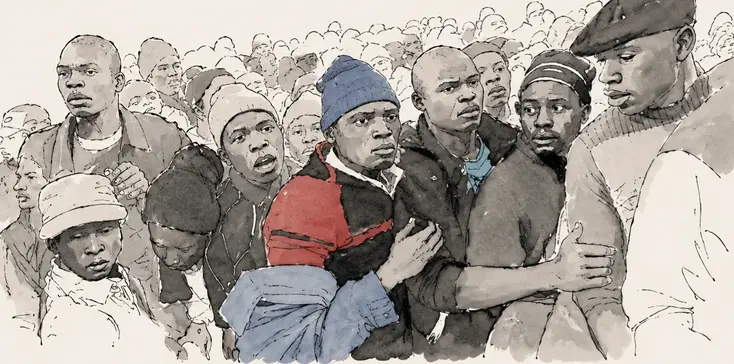
South Africans are lining up for employment opportunities in cities such as Durban following a wave of anti-immigrant protests and xenophobic violence that has driven thousands of foreign workers to leave parts of the country.
Vacancies created by the departure of migrant workers have attracted long queues of local job seekers, highlighting both South Africa’s persistently high unemployment rate and the country’s dependence on immigrant labour in sectors such as hospitality, retail, construction and informal trade.
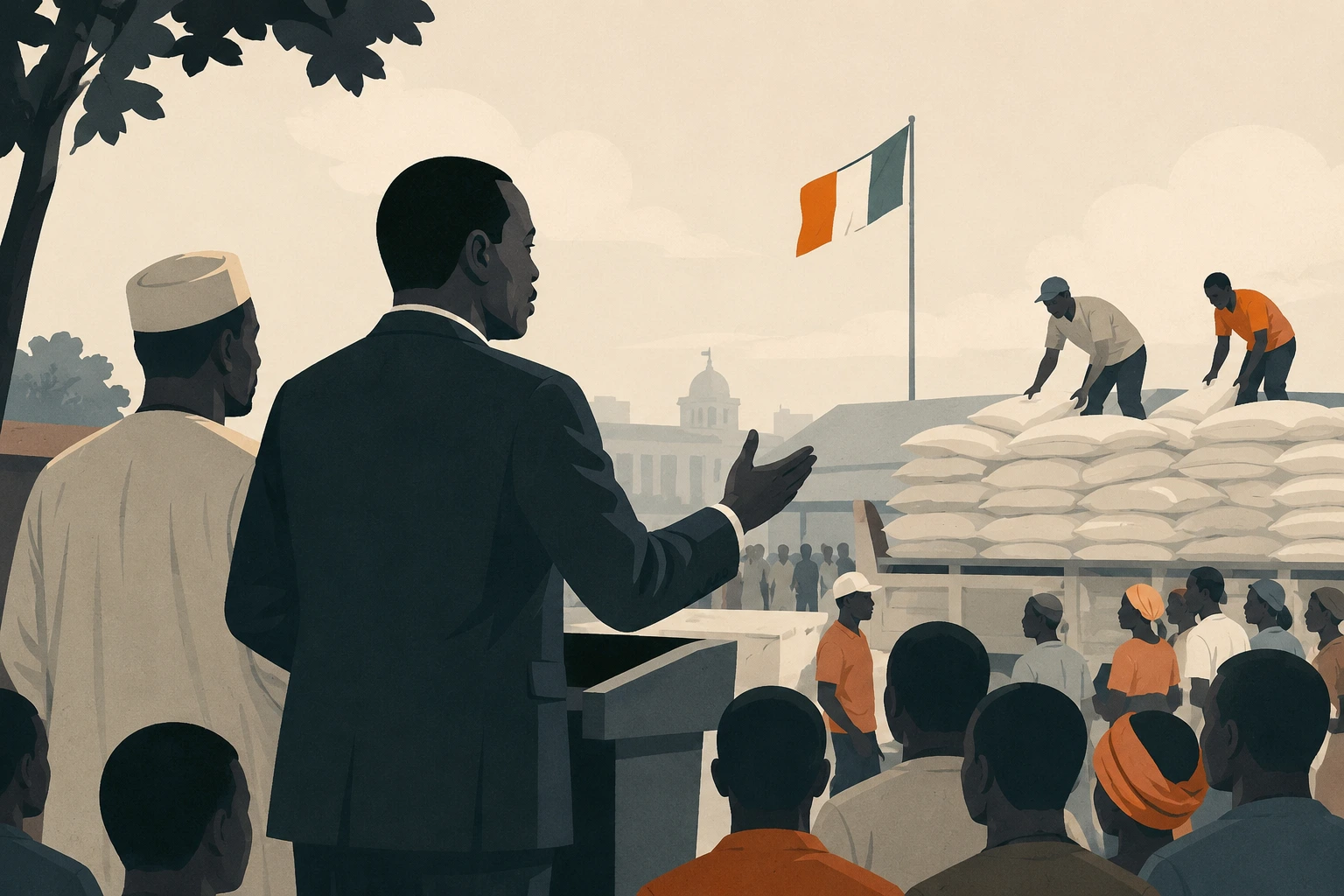
The recent unrest has prompted several neighbouring countries to evacuate their citizens. Nigeria recently repatriated 271 of its nationals, while Malawi has also assisted thousands of its citizens returning home after threats and attacks targeting foreign nationals.
South Africa’s government estimates that more than three million documented immigrants live and work in the country, although the number of undocumented migrants remains uncertain. The violence has reignited a long-running debate over immigration, unemployment and labour practices in Africa’s most industrialised economy.
While many South Africans see the newly available vacancies as an opportunity to secure employment, labour rights advocates argue that the situation exposes deeper structural problems in the labour market. They contend that some employers have historically preferred hiring migrant workers because they were willing or compelled by circumstance to accept lower wages and poorer working conditions.

Critics say the current rush for jobs is not simply about replacing foreign workers but also reflects local workers’ desire to access employment under fairer labour standards.
The latest incidents have drawn renewed calls from civil society groups and regional leaders for stronger protection of workers, stricter enforcement of labour laws and long-term economic reforms aimed at addressing unemployment.