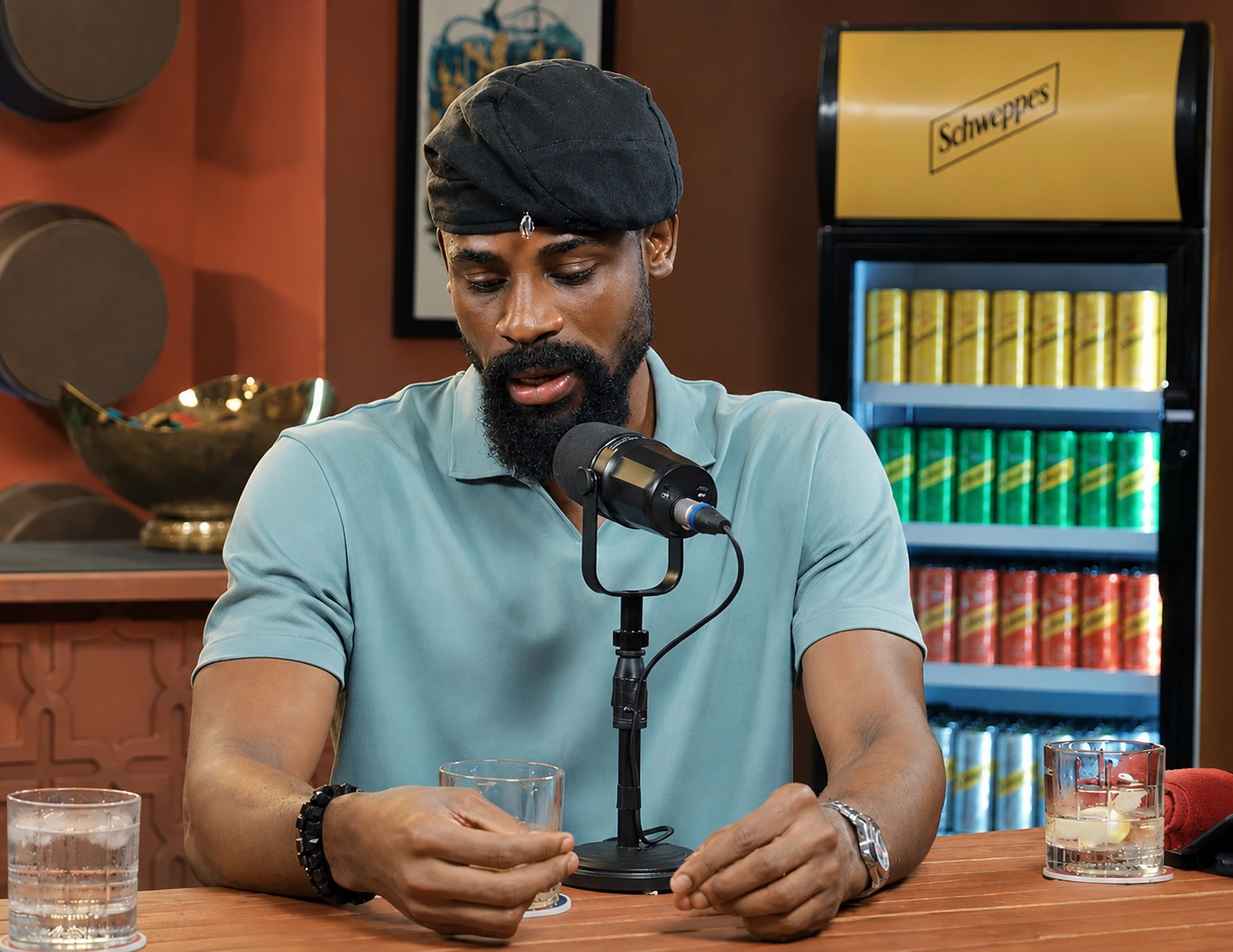
For years, the world saw Tunde Onakoya as the young man changing lives through chess.
They saw the inspiring speeches, the international recognition and the growing impact of Chess in Slums Africa.
What they did not see was the pain.
Behind the public image was a young man living with a degenerative medical condition that was slowly destroying his right hip, forcing him to endure years of discomfort while building one of Africa’s most celebrated social impact initiatives.
Today, Onakoya is speaking openly about that hidden struggle, revealing a deeply personal story of chronic pain, depression, ADHD and the difficult lessons he learned when life forced him to stop moving.
The Secret Pain Behind the Success
Long before he became a household name, Onakoya was living with avascular necrosis, a condition that occurs when blood supply to bone tissue is disrupted, causing the bone to deteriorate.
The condition affected his right hip.
Growing up in a low-income environment where medical care was often inaccessible, he spent years living with pain without fully understanding what was happening to his body.
Eventually, the damage became impossible to ignore.
One day, while attempting to cross a road, he collapsed.
The incident would become a turning point.
Medical evaluations later confirmed the severity of the condition, revealing a future that could include severe disability if left untreated.
Yet instead of slowing down, he accelerated.
A Man Racing Against Time
The diagnosis created an urgency that shaped his approach to life.
While others saw a driven entrepreneur, Onakoya saw someone trying to make every remaining year count.
He threw himself into the Chess in Slums project, investing nearly all of his energy into creating opportunities for children from disadvantaged backgrounds.
In his mind, there was a possibility that his physical condition could significantly worsen later in life.
That fear became fuel.
He worked relentlessly, often defining himself entirely through the mission he had built.
The project gave him purpose.
It also became his identity.
The Surgery That Changed Everything
Then came the moment he could no longer postpone.
Doctors warned that without immediate intervention, he risked losing his mobility.
In July 2023, surgeons performed a total hip replacement.
The operation involved removing his damaged hip joint and replacing it with artificial components.
At just 27 years old, he was significantly younger than most hip replacement patients.
The surgery was successful.
The recovery was brutal.
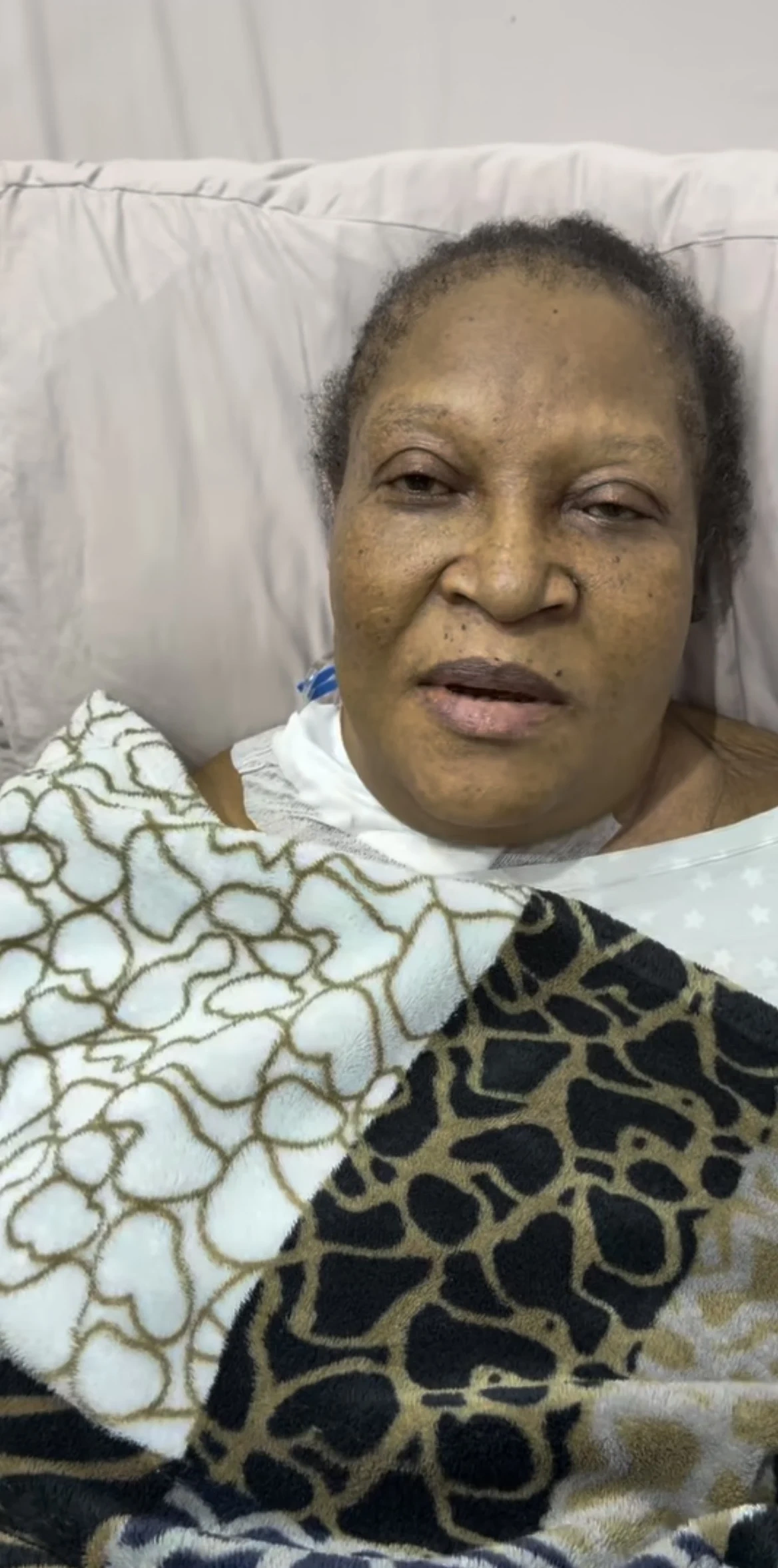
For months, Onakoya relied on a wheelchair and later a walking stick.
Simple tasks became difficult.
His mother helped care for him.
The man who had spent years helping others suddenly found himself needing help.
The physical pain was one challenge.
The emotional impact was another.
“I Didn’t Know Who I Was Without the Work”
Recovery forced him into something he had spent years avoiding: stillness.
Without the constant activity of building, travelling and leading, he found himself confronting difficult questions.
Who was he outside the work?
What was his value when he could no longer perform at the same level?
The answers did not come easily.
Onakoya describes the period following surgery as one of the darkest moments of his life.
It was the first time he experienced what he calls real depression.
Much of his identity had become tied to achievement.
When movement stopped, he was left face-to-face with himself.
For many ambitious professionals, entrepreneurs and high performers, the experience will feel familiar.
Success can become so central to a person’s identity that any interruption feels like a personal collapse.
The ADHD Discovery
More recently, Onakoya revealed another deeply personal challenge.
He was diagnosed with ADHD, helping explain years of racing thoughts, intense focus and mental restlessness.
He describes the condition as both a gift and a burden.
The same mind that helped him imagine bold ideas and pursue difficult goals also created periods of overwhelm and emotional strain.
The diagnosis helped provide answers to questions he had carried for years.
But it also added another layer to his understanding of himself.
The Lesson About Success Nobody Talks About
One insight from his recovery has remained with him.
During a trip to Germany, he experienced snow for the first time.
At first, it felt magical.
Then came the cold.
The memory eventually became a metaphor for success.
Success, he says, is beautiful from a distance.
It shines.
It attracts attention.
People spend their lives chasing it.
But eventually everyone needs somewhere warm to return to.
That warmth is not found in awards, headlines or applause.
It is found in relationships.
It is found in family.
It is found in the people who love you when there is nothing left to achieve.
Many people, he believes, spend so much time pursuing success that they forget to build the relationships that make success meaningful.
Learning That Stillness Is Not Failure
Perhaps the most powerful lesson from Onakoya’s journey is one that resonates far beyond his personal story.
Modern culture glorifies constant motion.
There is pressure to always be building, launching, posting, growing and achieving.
But recovery taught him that life moves in seasons.
Some seasons are for action.
Others are for healing.
Some seasons demand movement.
Others demand patience.
Looking back, he now sees that being forced to stop was not the end of his story.
It was the moment he learned that a person’s worth cannot be measured solely by productivity.
Sometimes growth happens when nothing appears to be happening at all.

And sometimes the hardest battles are the ones nobody sees.
Focus Keyphrase: Tunde Onakoya hip replacement surgery