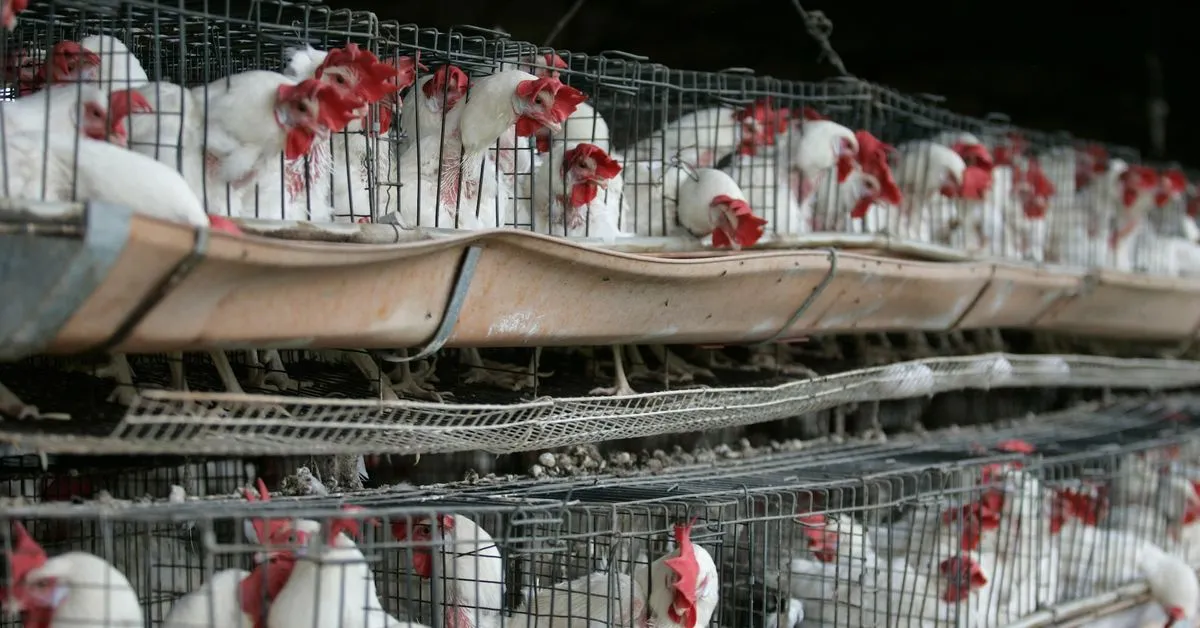
The Federal Government has partnered with the Food and Agriculture Organization to implement a $350,000 project aimed at strengthening Nigeria’s preparedness, detection and response to Highly Pathogenic Avian Influenza (HPAI), commonly known as bird flu.
The initiative, unveiled on Thursday during the inauguration of the FAO Technical Cooperation Programme Project on Strengthening HPAI Preparedness, Detection and Response in Nigeria, is expected to train 240 animal health personnel and enhance the country’s capacity to tackle disease outbreaks within the poultry sector.
According to a statement issued after the launch, the intervention will focus on improving disease surveillance, laboratory diagnostic capacity, risk communication and stakeholder coordination through the One Health approach.
Minister of Livestock Development, Idi Maiha, described the poultry industry as a critical pillar of Nigeria’s food security and economic development but noted that it continues to face serious threats from transboundary animal diseases.
He said Highly Pathogenic Avian Influenza has remained a recurring challenge since it was first detected in Nigeria in 2006, adding that the disease’s resurgence since 2021 has negatively affected poultry farmers across the country.
Maiha warned that avian influenza continues to threaten livelihoods, food security and international trade, stressing the need for stronger collaboration to restore productivity in the poultry sector and reconnect Nigeria’s poultry industry to global markets.
He commended the FAO for funding the project, describing the intervention as timely and aligned with the Federal Government’s efforts to strengthen disease prevention and control mechanisms in the livestock industry.
Also speaking, Permanent Secretary of the ministry, Chinyere Akujobi, represented by the Chief Veterinary Officer of Nigeria, Samuel Anzaku, said annual outbreaks of bird flu continue to pose significant challenges despite progress made in disease management.
She noted that the disease now affects multiple bird species, with commercial layer farms suffering the greatest impact, leading to substantial economic losses and disruptions across poultry value chains.
Project Details
FAO Representative in Nigeria, Otto Muhinda, reaffirmed the organisation’s commitment to supporting Nigeria in combating transboundary animal diseases and strengthening the resilience of the poultry industry.
Muhinda said the nine-month project would equip 240 animal health personnel with skills needed for early detection, preparedness and rapid response to outbreaks while also supporting the development of predictive tools to improve future disease preparedness.
Stakeholders from the Office of the National Security Adviser, the Veterinary Council of Nigeria, the Nigerian Veterinary Medical Association, the Federal Ministry of Health and Social Welfare, and the Federal Ministry of Environment also called for greater inter-agency collaboration to address disease outbreaks effectively.
The ministry disclosed that Nigeria recorded confirmed outbreaks of HPAI in Kebbi, Kano, Katsina, Plateau and Bauchi states in 2026, highlighting the continued threat posed by the disease to food security, livelihoods and the poultry industry.

The FAO-backed intervention will be implemented across seven pilot states and will focus on strengthening surveillance systems, enhancing laboratory diagnostics, improving biosecurity practices, promoting risk communication and boosting emergency response mechanisms.
Bird flu is a highly contagious viral disease caused by influenza A viruses that primarily affect wild and domestic birds. While human infections are rare, certain strains such as H5N1 can infect people and other mammals through direct contact with infected birds or contaminated environments.