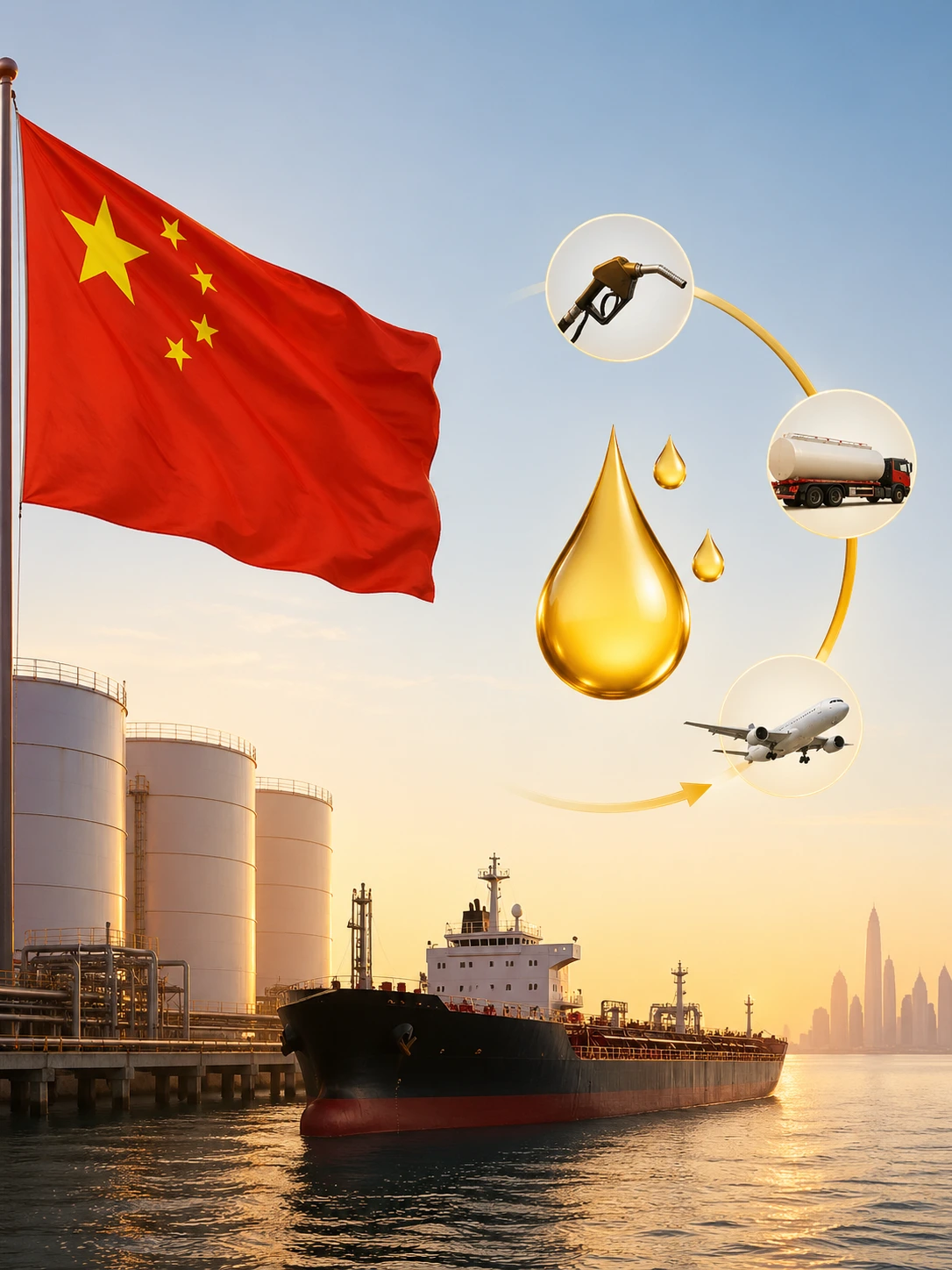
Chinese state refiners could restart fuel exports next month if the government in Beijing approves their applications for the restart, citing ample domestic stocks.
Companies including Sinopec and CNPC have submitted applications for export permits, Bloomberg reported today, citing unnamed sources in the know. The applications are for exports of diesel and gasoline, the Bloomberg sources said.
In early March, China told energy companies to suspend new fuel export contracts and try to cancel already arranged fuel shipments abroad as global fuel markets tightened amid the Middle Eastern war that effectively froze most traffic through one of the world’s biggest oil and fuel chokepoints.
The ban on exports took immediate effect, covering all gasoline, diesel, and jet fuel cargoes that had not cleared customs as of March 11. Since the institution of the ban on exports, domestic supply has swelled, the sources told Bloomberg, with high prices dampening demand.

China is a top-three fuel exporter in Asia, after South Korea and Singapore; as such, it has been undermining other countries on the continent with refining industries. A suspension of fuel exports could have boosted the refining industries of other countries had it not been prompted by the tightening crude oil supply due to the traffic disruptions in the Strait of Hormuz.
China issues fuel export quotas for both state and independent refiners on a regular basis. State-owned energy companies get the bulk of the quotas. The latest batch was issued in December last year, with 70% going to state refiners such as Sinopec and CNPC. Meanwhile, fuel export margins have been driven considerably higher by the hostilities in the Middle East. Diesel, in particular, is in increasingly tight supply, recently prompting warnings from energy industry executives of potential shortages.