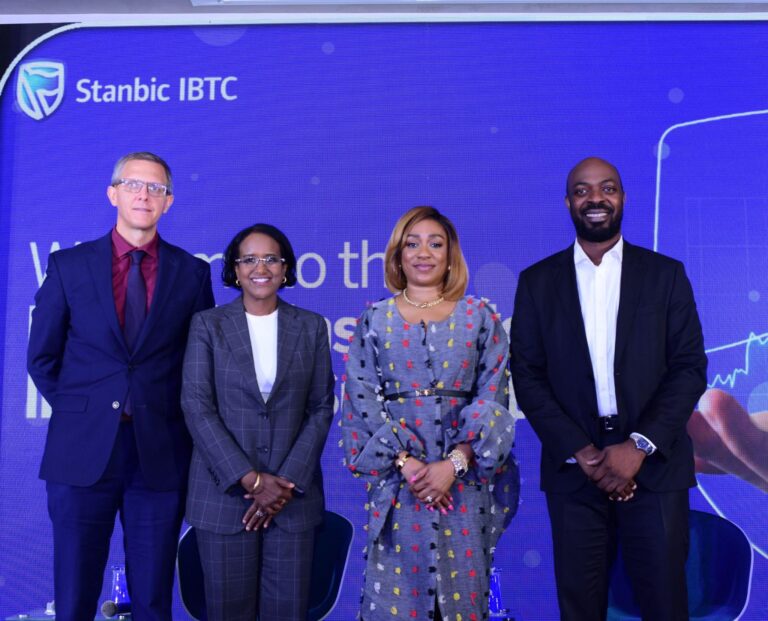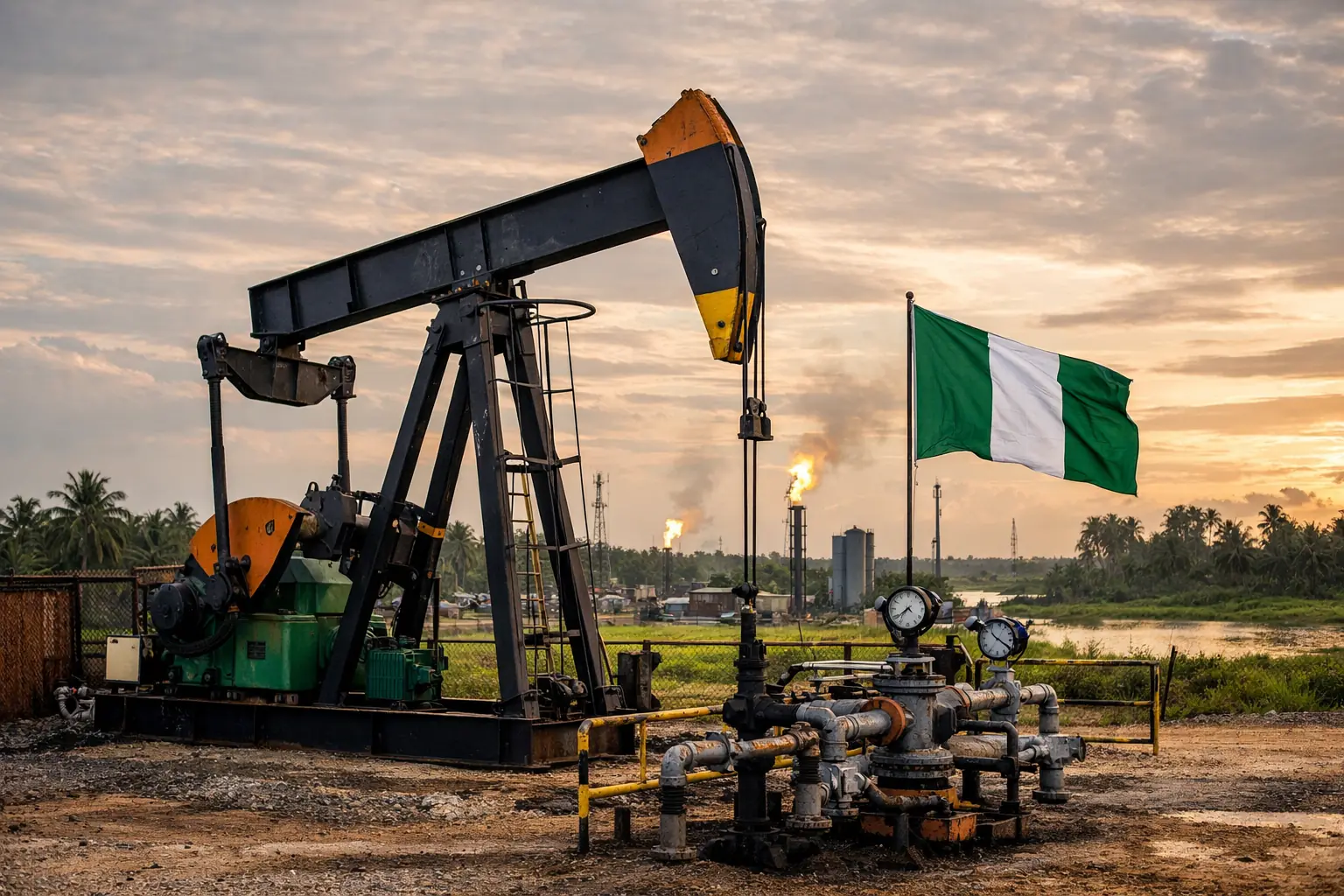
Yetunde Taiwo has been appointed the new president of the Nigerian Gas association . She currently serves as General manager, integrated gas business at First E&P development company.
Oil & Gas career
Yetunde Taiwo holds a Bsc Petroleum Engineering from the University of Ibadan, Oyo State.
In her current role as General Manager, Integrated Gas Business at FIRST Exploration & Petroleum Development Company (FIRST E&P), she is responsible for executing the company’s gas strategy and vision across its midstream and downstream businesses. She leads the development and implementation of strategies and initiatives aimed at building and maintaining effective relations with key stakeholders in government and the business community in Nigeria and beyond.
Prior to her current position, Yetunde served as Managing Director of Seplat East Onshore Ltd at Seplat Energy Plc, where she had full P&L accountability for the company’s Eastern onshore assets, including the Assa-North/Ohaji South upstream gas supply activities.
She previously held the position of Director, New Energy at Seplat Energy Plc, where she directed the company’s energy transition agenda. She also served as Managing Director of ANOH Gas Processing Company Limited (AGPC), where she led the building and management of a USD 700 million start-up gas processing midstream company. .
As GM Commercial – ANOH at Seplat Petroleum Development Company Plc, she was accountable for delivering all commercial agreements related to the ANOH Gas Processing Company start-up. These included gas sales and purchase agreements, gas marketing, condensate offtake, CHA, LPG offtake, and other key commercial arrangements with lenders and investors.
Earlier at Seplat, she served as General Manager, Gas, where she managed the company’s gas portfolio and drove sustainable gas sales to the domestic market, with the goal of positioning Seplat as the preferred gas supplier in Nigeria.
She also held the position of Head of Planning and Economics at Seplat Petroleum Development Company Plc, where she created and implemented business planning processes and designed strategic plans for the company.
Before joining Seplat, Yetunde was General Manager, Planning at the Nigerian National Petroleum Corporation (NNPC).
Yetunde began her senior career as Economics Manager at BG Group, where she ensured robust economic analysis and due diligence in commercial agreements, negotiations, and acquisition strategies, providing expert advice on high-risk commercial opportunities.
Her career started at Chevron, where she served as Planning Advisor for over 15 years across Lagos and Houston. In this role, she participated in establishing long-term divisional goals and objectives aligned with the business plan, ensured plans were realistic and properly challenged, and developed systems for the regular review, monitoring, and assessment of business plan execution while advising on improvement techniques.
Gas as the Anchor of Nigeria’s Energy Transition
Natural gas has assumed a central role in Nigeria’s energy strategy as a transition fuel that balances economic growth, energy security, and decarbonisation objectives.
With over 200 trillion cubic feet (tcf) of proven reserves and ambitious targets to expand this base further, Nigeria is repositioning gas from a by-product of oil production to the backbone of its energy mix. The strategic shift reflects both domestic imperatives—such as power generation deficits and industrialisation and global pressures to move toward cleaner fuels.
The “Decade of Gas” Policy Framework
The “Decade of Gas” (2021–2030) is the cornerstone policy anchoring Nigeria’s gas-led energy transition. Launched to transform the country into a gas-powered economy by 2030, the initiative emphasizes regulatory reform, infrastructure expansion, and investment mobilisation across the gas value chain.
It targets a significant increase in gas demand—from about 4.9 billion cubic feet per day (bcf/d) in 2020 to over 22 bcf/d by 2030—driven largely by domestic consumption, particularly in power and industry.
The policy also promotes market-driven pricing, expansion of non-associated gas development, and the creation of an enabling investment climate. It aligns with earlier frameworks such as the National Gas Policy (2017) and the National Gas Expansion Programme (NGEP), reinforcing gas as a “bridge fuel” in Nigeria’s broader energy transition strategy.
Gas plays a critical role in addressing Nigeria’s chronic electricity deficit. It fuels the majority of thermal power plants and is expected to underpin efforts to stabilise and expand generation capacity. The expansion of domestic gas utilisation projected to account for around 60% of total demand by 2030 highlights its importance in supporting industrial clusters, manufacturing, and captive power generation.
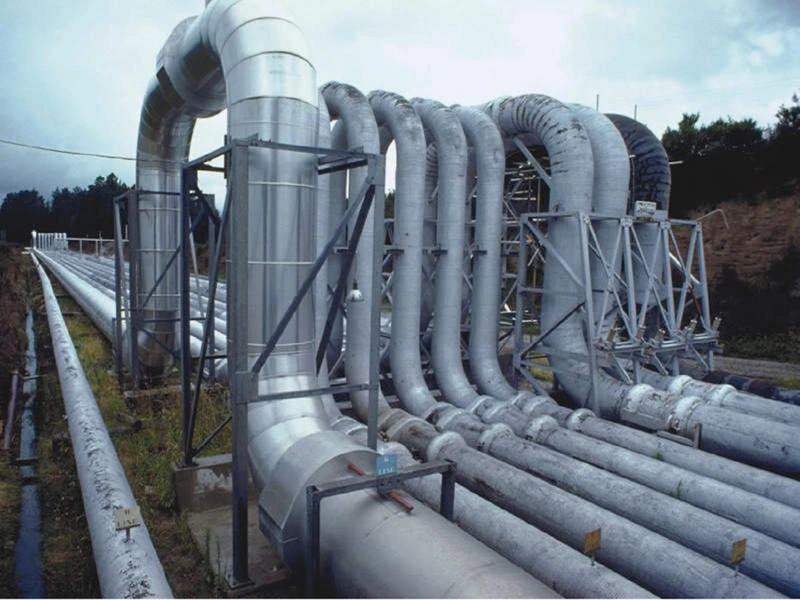
In industrial terms, gas is increasingly displacing more expensive and polluting fuels like diesel and heavy fuel oil. Industrial hubs in Lagos, Ogun, and Rivers states rely heavily on gas supplied via pipelines such as the Escravos–Lagos Pipeline System, reinforcing its role in cost reduction and competitiveness.
Recent Developments
Recent years have seen significant activity across upstream, midstream, and downstream gas segments. Key developments include the expansion of LNG capacity, progress on the Nigeria LNG Train 7 project (over 70% complete as of 2024), and the emergence of floating LNG (FLNG) projects. These initiatives signal Nigeria’s growing prominence in global gas markets.
Additionally, infrastructure projects such as gas distribution networks in industrial zones like the Lagos Free Zone are improving last-mile delivery and enabling gas penetration into manufacturing and commercial sectors.
Policy-driven programmes such as the Nigerian Gas Flare Commercialisation Programme (NGFCP) are also converting previously wasted flare gas into economic assets, targeting billions of dollars in investment and substantial power generation capacity.
Gas Sector Capital Inflow
Investment in Nigeria’s gas sector has accelerated, supported by regulatory reforms under the Petroleum Industry Act (PIA) and targeted incentives. The government aims to attract up to $60 billion in gas-related investments by 2030, spanning upstream production, processing facilities, pipelines, and distribution networks.
Recent high-profile investments include:
Joint ventures between international oil companies and NNPC in gas processing facilities.
Expansion of gas supply agreements to support large industrial projects such as refineries and fertiliser plants.
Offshore gas developments aimed at boosting LNG exports.
There is also a notable shift toward indigenous participation, with Nigerian companies increasingly acquiring upstream assets and investing in gas infrastructure, signalling a localisation of capital and expertise.
Within Nigeria’s Energy Transition Plan (ETP), gas is positioned as a pragmatic bridge between high-carbon fuels and renewable energy. While Nigeria has committed to achieving net-zero emissions by 2060, gas is expected to remain dominant in the medium term due to its relative affordability, availability, and lower carbon intensity compared to oil and coal.
Challenges
Despite progress, several structural challenges persist. These include inadequate pipeline infrastructure, pricing distortions, gas supply shortages to power plants, and security issues affecting upstream operations. Financing constraints and regulatory uncertainties have historically slowed project execution, although reforms under the PIA aim to mitigate these risks.
Additionally, global energy transition dynamics and declining appetite for fossil fuel financing could affect long-term investment flows into gas projects.
The “Decade of Gas” has provided a coherent policy framework, while recent investments and infrastructure developments demonstrate tangible progress. However, sustaining momentum will depend on effective implementation of reforms, continued capital inflows, and resolution of structural bottlenecks.
In the medium to long term, Nigeria’s ability to leverage its vast gas resources will determine not only its energy security but also its competitiveness in a rapidly evolving global energy landscape.