China’s President Xi Jinping has called for the immediate restoration of shipping activity through the strategically critical Strait of Hormuz, following weeks of disruption linked to escalating conflict in the Middle East.
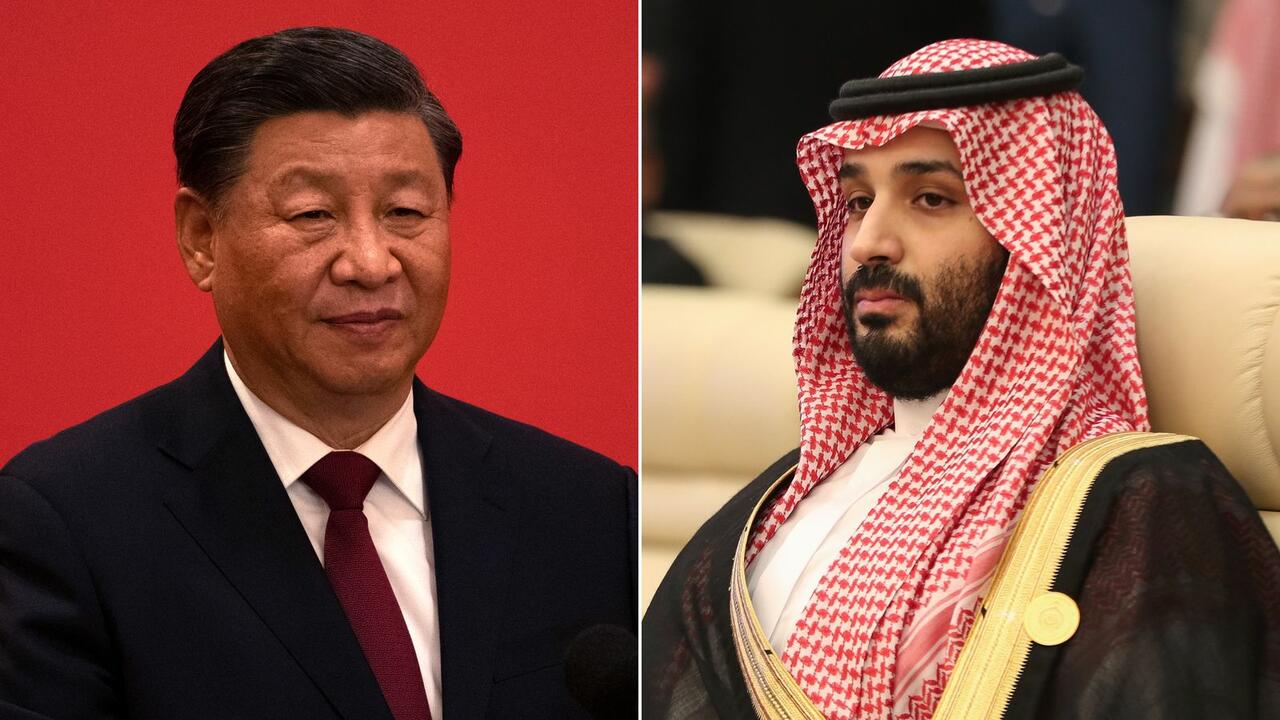
In a phone conversation with Saudi Arabia’s Crown Prince Mohammed bin Salman, Xi emphasized the importance of maintaining uninterrupted maritime navigation through the waterway, describing it as essential to both regional stability and the global economy.
“Normal navigation through the Strait of Hormuz should be maintained,” Xi said, according to China’s state news agency Xinhua News Agency. “This is in the shared interests of regional countries and the international community.”
The Chinese leader also called for an immediate and comprehensive ceasefire, urging all parties to resolve disputes through diplomatic and political channels rather than military escalation.
Energy Impact and Strategic Concerns
The Strait of Hormuz, a narrow passage connecting the Persian Gulf to global markets, has seen roughly 50 days of disrupted shipping following intensified hostilities involving the United States, Israel, and Iran.
The disruption has had a direct impact on China, one of the world’s largest energy importers.
Recent customs data shows China imported 5.86 million tons of crude oil from Saudi Arabia in March, marking a 10% decline compared to February levels.
According to reporting by the South China Morning Post, Xi’s remarks mark the first time he has publicly called for the reopening of the waterway since tensions escalated in late February.
Fragile Diplomatic Efforts
Meanwhile, diplomatic efforts to de-escalate the conflict remain uncertain. Iran has signaled tentative willingness to participate in a second round of peace talks in Islamabad, according to officials cited by the Associated Press.
There is cautious optimism that delegations from both Iran and the United States could attend.
The U.S. delegation is expected to be led again by Vice President JD Vance, who previously exited early from initial talks due to disagreements over Iran’s nuclear program.
However, tensions remain high. Reports indicate that U.S. forces recently seized an Iranian vessel after an exchange of fire, a development that has further strained negotiations.
Conflicting Signals from Iran
Iranian Foreign Minister Abbas Araghchi had earlier claimed that the Strait of Hormuz was “completely open,” but shipping data told a different story.
By Sunday, tanker traffic had slowed significantly, with multiple vessels reversing course amid rising security concerns.
In addition, threats have resurfaced regarding the potential closure of the Bab al-Mandeb Strait, another critical maritime route for global trade.
Global Ripple Effects
The ongoing crisis is reshaping global energy strategies.
China is expected to increase imports of U.S. ethane this month as petrochemical producers adjust to supply disruptions from the Middle East.
Elsewhere, countries are taking precautionary measures.
Singapore is sourcing additional liquefied natural gas from outside the region, while India has expanded insurance coverage options for vessels amid rising risks to shipping routes.
The situation has also revived earlier calls from former U.S. President Donald Trump, who in March urged China to play a more active role in reopening the Strait, citing Beijing’s heavy reliance on oil shipments passing through it.
Rising Global Demand Adds Pressure
Compounding the crisis, the International Energy Agency reports that global power consumption rose by 3% last year, driven largely by increased demand from electric vehicles and data centers—further intensifying the need for stable energy supply routes.
As geopolitical tensions continue to disrupt key maritime corridors, the push for diplomatic resolution is becoming increasingly urgent—not just for the region, but for the stability of global energy markets.