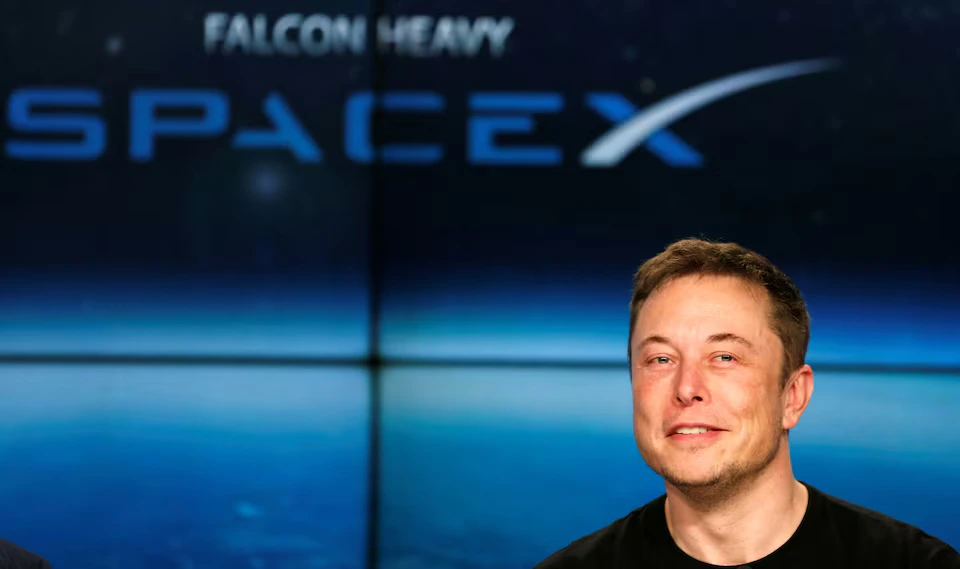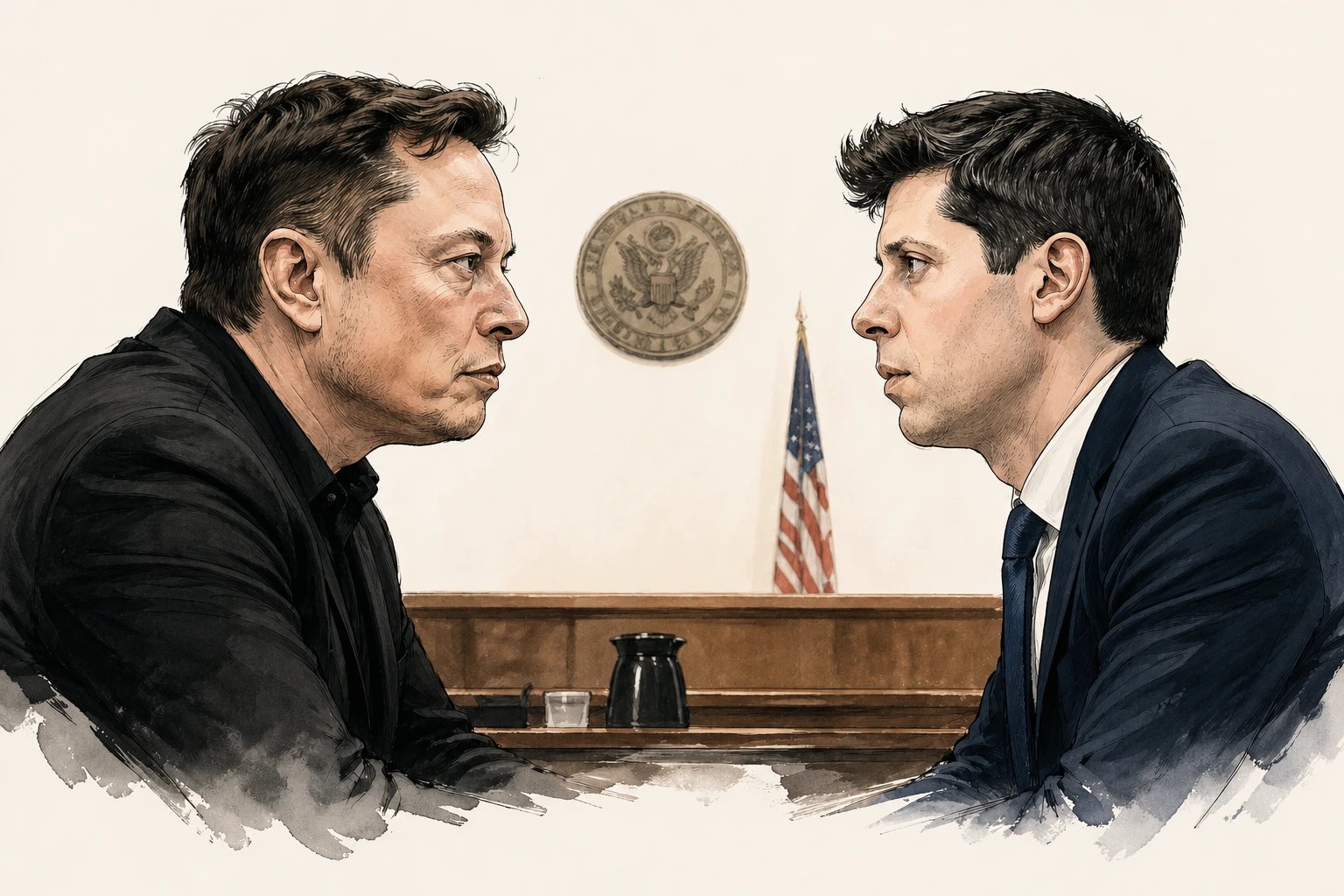
The public dispute between Elon Musk and Sam Altman traces back to 2015, when both figures were among the founding team of OpenAI.
At inception, OpenAI was established as a nonprofit research organization, with a stated mission of ensuring artificial intelligence benefits humanity broadly rather than being controlled by profit-driven incentives.
Early funding included contributions from Musk and other tech figures, and the organization initially emphasized open research and transparency.
However, by 2018, Elon Musk departed from OpenAI’s board, citing disagreements over direction and governance.
In subsequent years, OpenAI transitioned into a “capped-profit” structure, allowing it to raise large-scale investment while maintaining a nonprofit parent entity.
This structural shift—particularly OpenAI’s deep partnership with Microsoft—has become the central point of contention.
The Core Legal Dispute
Elon Musk has filed legal action against OpenAI and its leadership, alleging that the organization:
- Departed from its original nonprofit mission
- Prioritized commercial interests over public benefit
- Transferred value from its nonprofit origins into private or investor-controlled structures
OpenAI and its executives, including Sam Altman, have rejected these claims, arguing that:
- The restructuring was necessary to fund the massive compute requirements of advanced AI
- The nonprofit arm still exists and retains oversight
- The organization has remained aligned with its safety and public-benefit mission
Competing Narratives Circulating on X
Recent viral posts on X have amplified a more dramatic framing of the dispute, suggesting:
- That OpenAI’s original nonprofit intent was “abandoned”
- That key insiders benefited disproportionately from the transition
- That internal communications and witness testimony could be central in determining credibility in court
However, many of these specific claims—such as alleged private diaries, text messages, or financial arrangements—remain unverified in public court records or have not been independently confirmed in reputable reporting.
As a result, they should be treated as allegations or commentary circulating online, not established fact.
What Each Side Appears to Be Trying to Achieve
Elon Musk’s apparent objectives
Based on his public filings and statements, Musk’s legal strategy appears to aim at:
- Reasserting OpenAI’s original nonprofit constraints
- Potentially reversing or limiting its for-profit structure
- Blocking or reshaping future commercialization paths, including IPO-related plans
- Establishing legal precedent around the governance of AI nonprofits transitioning into commercial entities
In broad terms, his argument centers on whether a nonprofit can legally evolve into a profit-driven structure while still claiming fidelity to its founding mission.
OpenAI’s likely objectives
OpenAI’s legal and strategic position appears focused on:
- Preserving its current hybrid “capped-profit” structure
- Maintaining investor confidence and long-term funding stability
- Defending the legitimacy of its governance evolution
- Protecting partnerships that support large-scale AI development
For OpenAI, the broader implication is whether its restructuring model will be upheld as a lawful path for frontier AI development organizations.
Why the Case Matters Beyond the Two Parties
The dispute has become symbolic of a larger question:
Can organizations founded as mission-driven nonprofits legally evolve into highly capitalized AI companies without violating their original commitments?
If courts broadly side with Musk’s interpretation, it could discourage or constrain similar transitions in the AI sector. If OpenAI prevails, it may reinforce the legitimacy of hybrid nonprofit-commercial models for advanced research organizations.
Possible Endgame Scenarios
While outcomes remain uncertain, analysts often outline three broad possibilities:
1. Full validation of OpenAI’s structure
- OpenAI’s for-profit model is upheld
- IPO and expansion pathways remain intact
- The hybrid nonprofit model becomes reinforced as legally acceptable
2. Partial restrictions
- Courts impose governance limits or oversight adjustments
- Nonprofit oversight powers strengthened
- Structural reforms required but not a full reversal
3. Major restructuring or reversal (least likely but most disruptive)
- Significant changes to OpenAI’s corporate structure
- Potential unwinding of certain commercialization arrangements
- Broad precedent set limiting nonprofit-to-profit transitions
Conclusion
The Elon Musk vs OpenAI dispute is no longer just about early founding disagreements—it has evolved into a defining legal and philosophical test for the future of artificial intelligence governance.

At its core, the case centers on one question:
When a mission-driven AI nonprofit becomes a trillion-dollar technology engine, does it remain true to its founding purpose—or does it become something entirely different?
The answer will likely shape not just OpenAI’s future, but how AI companies are structured for years to come.