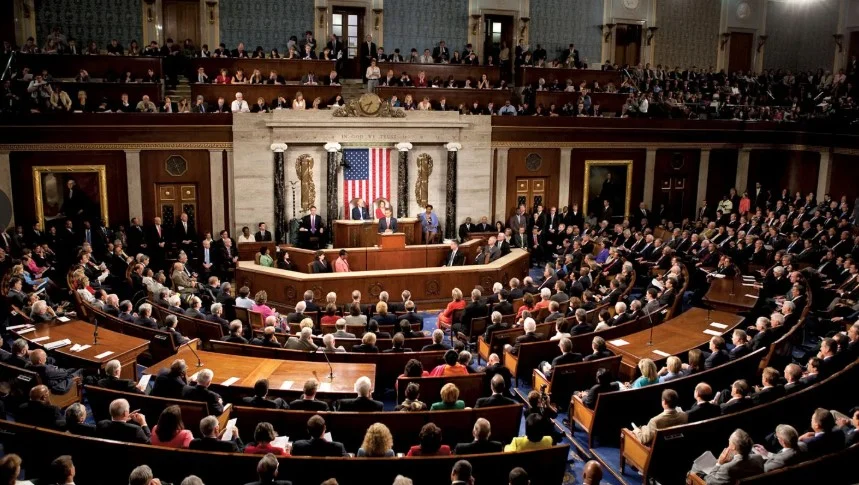
The proposal, introduced by Republican Congressman Gregory Steube, was adopted through a voice vote as part of the U.S. fiscal year 2027 State Department appropriations bill. The broader spending legislation later passed the House with a 217-209 vote, largely along party lines.
If enacted into law, the amendment would require the Nigerian government to meet specific conditions before any U.S. assistance can be released.
Amendment Raises Aid Restriction from 50% to 100%
The original version of the spending bill proposed withholding 50 percent of U.S. funding allocated to Nigeria until the U.S. Secretary of State certifies that Nigerian authorities have taken effective measures to prevent violence, protect affected communities, and hold perpetrators accountable.
Steube’s amendment strengthens that provision by increasing the funding restriction from 50 percent to 100 percent, while leaving the certification requirements unchanged.
Announcing the House approval, Steube said the amendment was designed to ensure U.S. taxpayers are not funding governments that fail to protect religious minorities. He argued that foreign assistance should be tied to accountability and effective governance rather than continued despite ongoing violence.
Lawmaker Cites Religious Violence and Government Accountability
Speaking during debate on the House floor, Steube described Nigeria as facing persistent violence that he believes has not been adequately addressed by the government. According to the congressman, withholding only half of U.S. assistance would not provide sufficient leverage to encourage stronger action.
He also linked the proposal to broader concerns about U.S. government spending, arguing that taxpayer funds should not be directed toward countries that fail to meet basic governance and security expectations.
Although the amendment has cleared the House of Representatives, it has not yet taken effect. Before becoming law, the legislation must also be approved by the U.S. Senate. It would then require the signature of the President of the United States.
Until those steps are completed, existing U.S. assistance to Nigeria remains unchanged.
U.S.-Nigeria Relations Remain Under Scrutiny
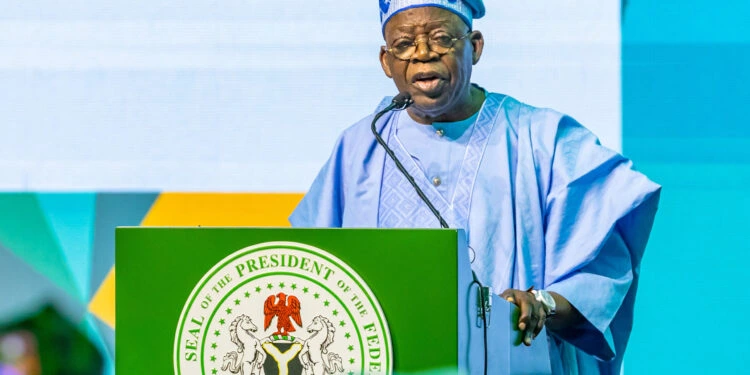
The House vote comes amid heightened attention to U.S.-Nigeria relations. In 2025, the United States redesignated Nigeria as a Country of Particular Concern (CPC) over allegations relating to religious persecution.
Despite diplomatic tensions over security issues in recent years, both countries have continued cooperation on counterterrorism and regional security initiatives, particularly in northern Nigeria.
The proposed funding restriction reflects growing debate in Washington over how foreign aid should be used to encourage governance reforms, human rights protections, and accountability in recipient countries.