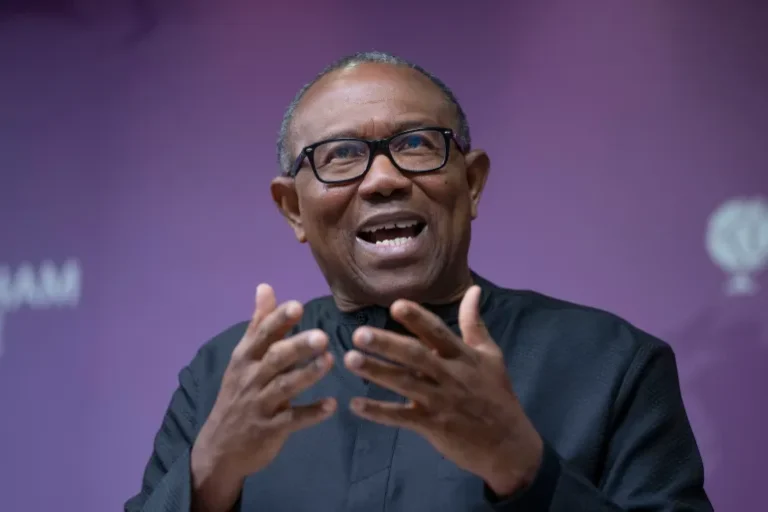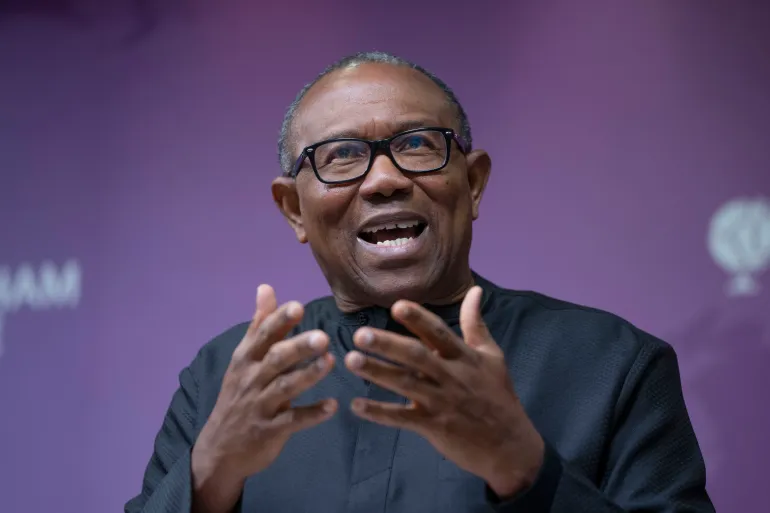
Peter Obi, presidential candidate of the Nigeria Democratic Congress (NDC), has shifted his position on Nigeria’s petrol subsidy, saying his administration would restore the policy after tackling corruption and leakages in government.
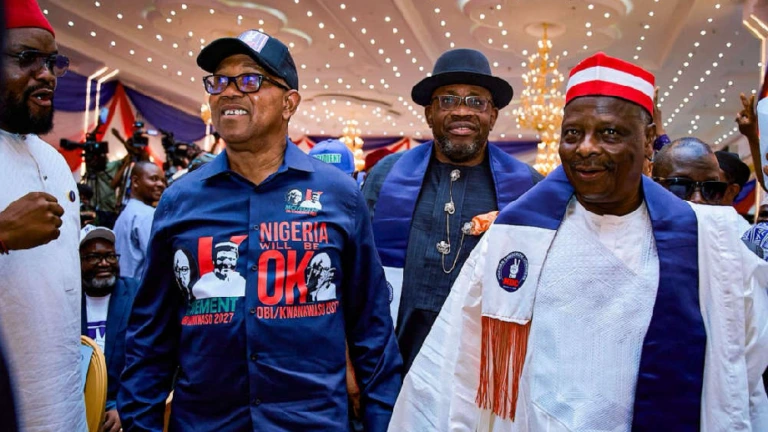
Obi made the statement on Monday at a town hall meeting for the Obi-Kwankwaso presidential ticket in Sokoto, weeks after publicly defending the removal of petrol subsidy.
“People are talking about subsidy, but what is all about it is corruption. By removing the corruption, I assure you that we will bring back subsidy,” Obi said.
The latest position represents a change from his comments at the Nigeria Bar Association’s 2026 conference in Port Harcourt, where he said petrol subsidy should remain removed.
“I subscribe and maintain that you need to remove subsidy,” Obi said at the August conference.
He added that the government’s mismanagement of the savings generated from subsidy removal was not sufficient reason to reverse the policy.
“Mismanagement of the proceeds shouldn’t be the reason for not removing it,” he said.
Obi links subsidy to corruption
In Sokoto, however, the former Anambra governor presented corruption as the central issue behind the subsidy debate.
Rather than treating the cost of petrol subsidy as the primary problem, Obi argued that eliminating corruption would free up resources that could be used to support Nigerians through lower fuel prices.
He did not, however, provide details of how much a restored subsidy would cost, what mechanism his government would use, or how the proposed system would differ from the subsidy regime that was removed.
His comments also came against the backdrop of growing debate among opposition politicians over the future of petrol pricing ahead of the 2027 presidential election.
Rabiu Musa Kwankwaso, Obi’s running mate, said last week that the NDC would reintroduce petrol subsidy “in our own way” if elected.
Kwankwaso said the approach could include expanding domestic refining capacity, pointing to the growth of privately owned refineries as part of a strategy for reducing fuel costs.
A different subsidy model?
The comments from Obi and Kwankwaso leave open the possibility that the NDC is proposing a different mechanism from Nigeria’s previous petrol subsidy system.
The former system required the government to absorb part of the difference between the regulated pump price and the cost of supplying petrol. It became a major fiscal issue before President Bola Tinubu announced its removal in May 2023.
The NDC has not yet provided a detailed costed framework for its proposed replacement.
That leaves several questions unanswered, including whether a future subsidy would apply universally, how it would be financed and how the government would prevent fraud and other leakages.
Obi’s latest statement therefore marks a clear change in his position on the question of whether subsidy should return, even though he has tied the proposed restoration to a broader programme of fighting corruption.
Obi makes corruption central to economic argument
At the Sokoto meeting, Obi said corruption remained Nigeria’s major problem and promised that an NDC administration would target corruption across government.
He also pledged to use public resources to improve security, education and other areas of the economy.
“Education is our number one priority after unity and security,” he said.
The former Anambra governor also promised to connect all state capitals by rail, arguing that improved transport infrastructure would support economic activity and development.
The subsidy debate has become increasingly prominent among opposition politicians ahead of the 2027 election.
Former Vice-President Atiku Abubakar has also proposed restoring petrol subsidy, arguing that the federal government has failed to adequately account for the savings generated by its removal.
The Tinubu administration has rejected that argument, with the president describing the proposal as evidence of what he called a misunderstanding of governance and the economy.

For Obi, however, the latest position places the focus on corruption: his argument is that a government that eliminates leakages could create the fiscal room to reduce the burden of petrol prices on Nigerians.
The outstanding policy question is how that promise would be financed and implemented without recreating the fiscal and governance problems associated with the previous subsidy system.