A fresh round of comments from the leadership of the Nigeria Democratic Congress (NDC) has stirred confusion over the party’s actual position on fuel subsidy ahead of the 2027 presidential election, with the vice-presidential candidate appearing to describe a policy his own running mate has repeatedly rejected.
Kwankwaso Says Obi Administration Would Restore Fuel Subsidy
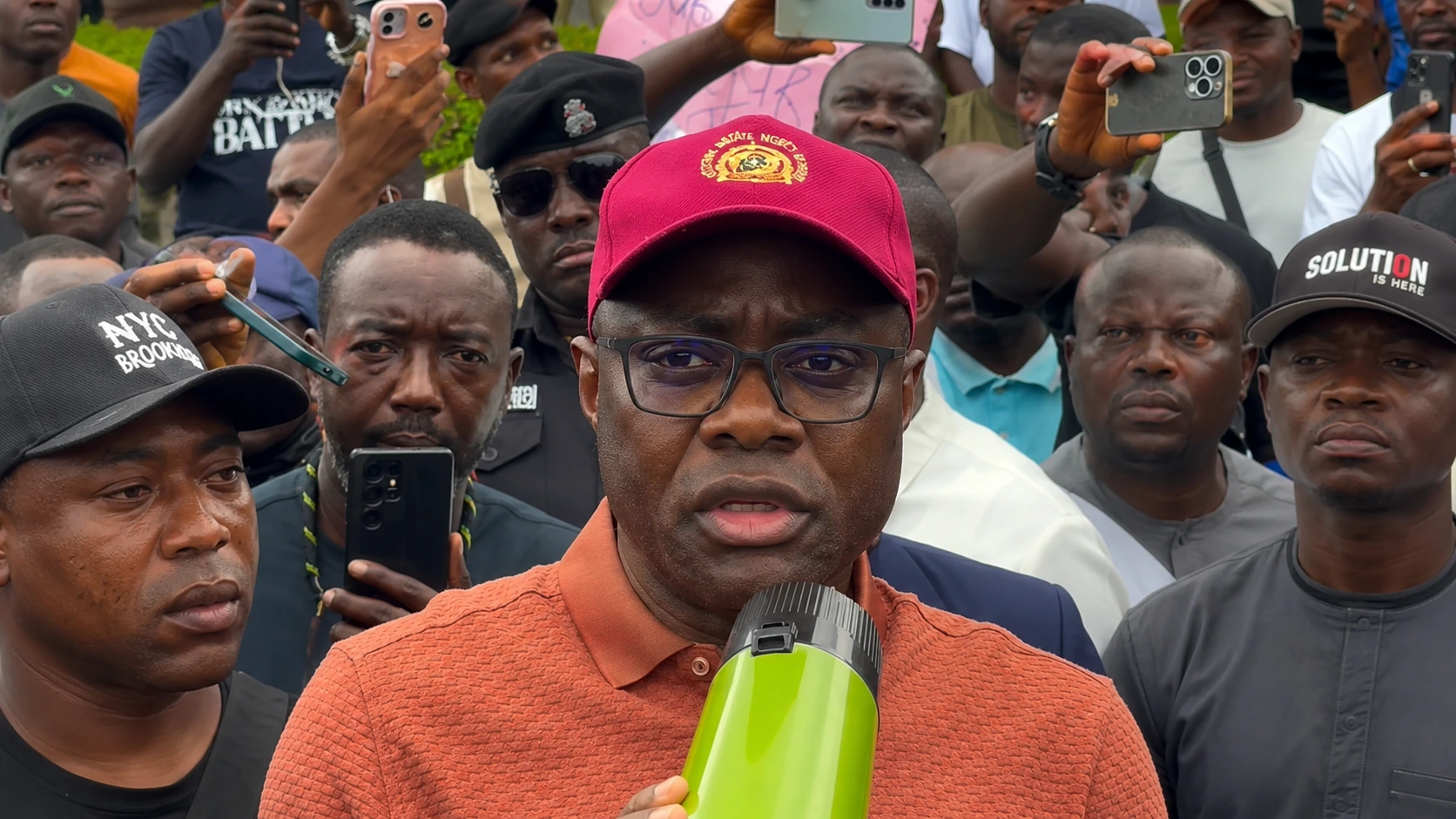
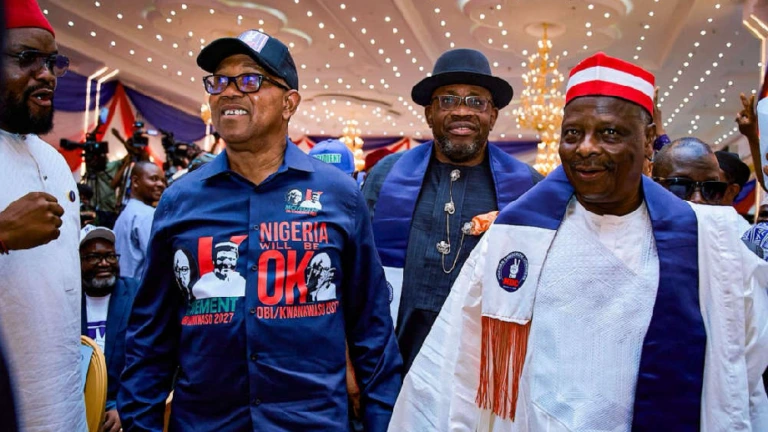
Rabiu Kwankwaso, the NDC’s vice-presidential candidate and a former Kano State governor, told Arise Television on Tuesday that an administration led by presidential candidate Peter Obi would bring back fuel subsidy, though “in our own way.”
Pressed on how the party would manage political resistance to that stance in the North-West, where support for restoring subsidy runs strong, Kwankwaso said the party had its own approach to keeping fuel affordable.
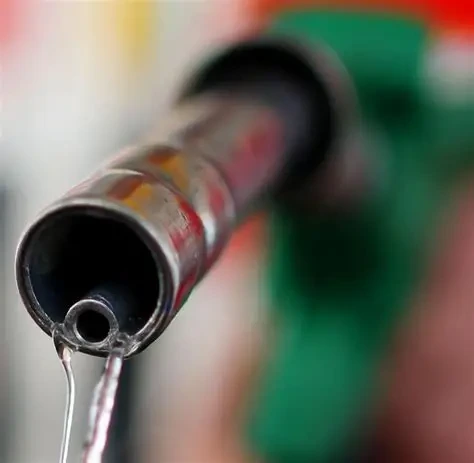
His explanation, however, centred on supply rather than subsidy. Kwankwaso pointed to the possibility of government investment in local refining capacity, noting that if private businessmen could build refineries in Nigeria, there was no reason government could not do the same to help bring pump prices down to a level citizens could afford. He said the NDC would do “whatever it takes” to lower the price of fuel.
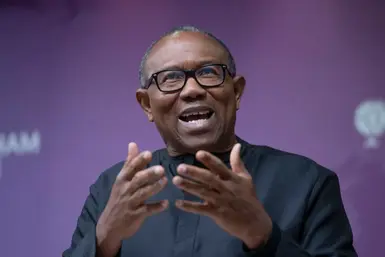
Peter Obi Reiterates Opposition to Fuel Subsidy Reinstatement
That framing sits awkwardly next to Obi’s own long-standing position.
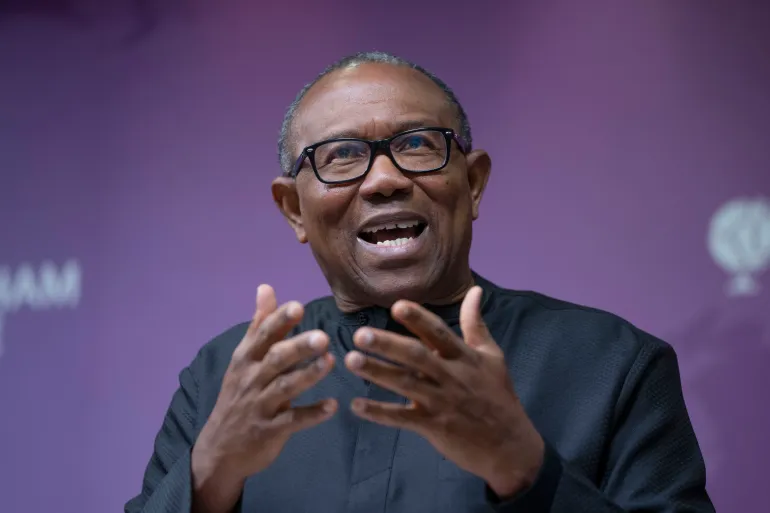
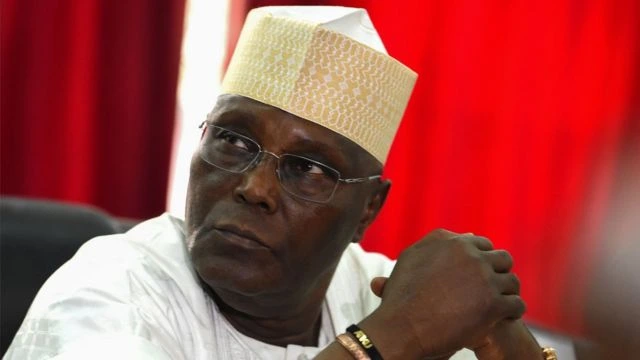
Across multiple public appearances stretching back more than a year, Obi has consistently maintained that removing the fuel subsidy was the right call and has resisted calls to reverse it, most recently rejecting a competing pledge from African Democratic Congress candidate Atiku Abubakar to restore the subsidy outright if elected in 2027.
“I subscribe, and I maintain that we need to remove subsidy,” Obi said at the Nigerian Bar Association’s annual conference in Port Harcourt in August, arguing that mismanagement of the funds recovered from the policy was not sufficient grounds to bring it back.
Obi Criticises the Implementation of Subsidy Removal
In an earlier Arise Television interview reviewed for this report, Obi went further, describing the manner of the 2023 removal under President Bola Tinubu as reckless rather than wrong in principle.
He argued that a gradual, organised removal — paired with transparent reinvestment of the savings into sectors such as primary healthcare and kidney-dialysis capacity — would have spared Nigerians much of the hardship that followed.
He also disputed government claims that the savings had improved living conditions, pointing instead to a sharp rise in the national poverty rate since the policy took effect.
On a separate occasion, discussing mismanagement of subsidy proceeds directly, Obi said the funds recovered from removal were themselves being diverted, and used a hypothetical breakdown of trillions in savings to argue that even a small share, properly applied, could fund primary health centres and kidney-treatment facilities nationwide.
His point throughout has been that removal should stand, and that the argument for reversing it is really an argument about how the money has been spent.
More recently, in a Thursday interview, Obi promised to moderate fuel pump prices nationwide once in office, attributing the expected relief to eliminating corruption within the subsidy administration system rather than to reinstating subsidy payments themselves.
A framing problem, not necessarily a policy split
Taken together, the two men’s statements point to the same underlying plan — expand domestic refining capacity, bring down pump prices through supply rather than subsidy, and channel any savings into development spending — but Kwankwaso’s choice of the word “subsidy” to describe it has muddled that message in public reporting.
Several outlets that covered his Arise Television remarks framed the comments as a reversal of Obi’s position, even though nothing in Kwankwaso’s own explanation described government absorbing part of the pump price, which is what a subsidy does.
The distinction matters heading into 2027. Atiku has already staked out a clear, contrasting position by promising to restore the subsidy if elected, giving voters and commentators an easy point of comparison.
Any ambiguity from within the Obi-Kwankwaso ticket about whether “subsidy” is coming back in some form — even a reworked one — risks being read as inconsistency, regardless of the economic mechanism Kwankwaso actually described.
The NDC will likely need a clearer shared vocabulary before the debate intensifies further, distinguishing supply-side interventions such as refinery investment from the direct subsidy payments both running mates say they want to avoid reviving.