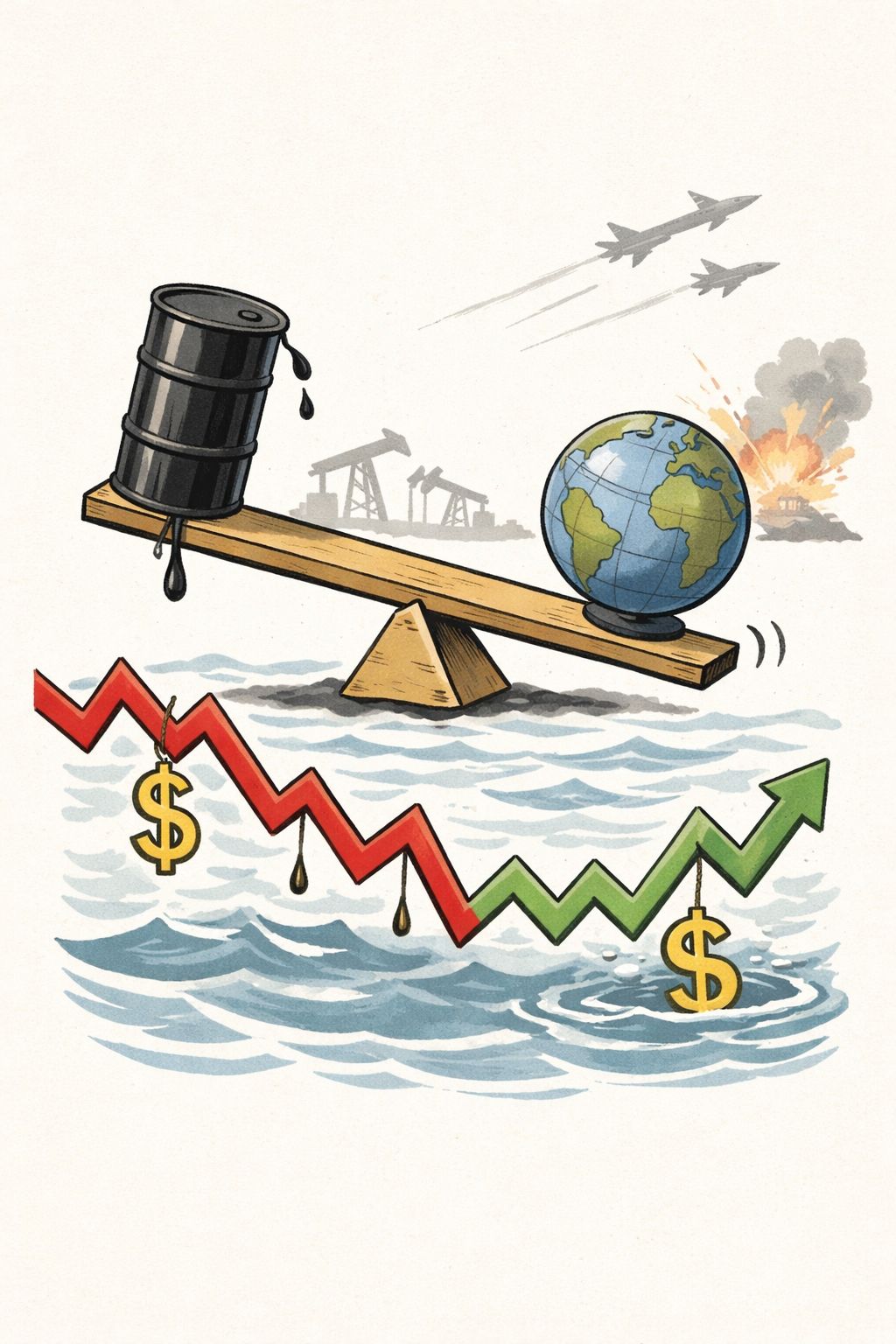
Brent crude rose back above $105 a barrel on Thursday as stalled diplomatic efforts between the United States and Iran revived concerns about oil supply disruptions in the Middle East.
Brent crude climbed $2.54, or 2.46%, to $105.60 a barrel, reversing recent losses that had pushed the benchmark below the $100 mark earlier in the week.
West Texas Intermediate (WTI) also advanced, rising $2.03, or 2.20%, to $94.19 a barrel. Murban crude gained $4.43, or 3.92%, to $117.50, while natural gas edged up to $3.064.
Proposed Talks Stall
The rebound came as diplomatic efforts between Washington and Tehran on the sidelines of the United Nations General Assembly appeared to make little progress.
Iran has maintained demands that include the lifting of the US naval blockade on Iranian ports and the reopening of the Strait of Hormuz. US statements, meanwhile, have indicated that substantial work remains before any agreement can be reached, while military options remain available.
Oil prices had declined sharply as signs of improving physical supply eased immediate concerns over disruptions. Saudi Arabia was reported to be restarting its East-West pipeline, a major route for transporting crude to the Red Sea, after it was shut for roughly two weeks following drone strikes.
Higher crude loadings through the Strait of Hormuz also provided some relief to the market, helping push Brent towards the $98-a-barrel range earlier in the week.

The latest rebound highlights the volatility that has characterised the oil market since mid-September. On September 15, Brent traded around $105.70, while WTI was at $101.70, following several sessions of gains driven by concerns over Middle East supply.
Prices subsequently retreated as physical supply conditions improved, before Thursday’s diplomatic developments triggered another sharp reversal.