Ghana has rejected a proposed bilateral health agreement with the United States, marking another setback to Washington’s efforts to reshape its foreign aid strategy.
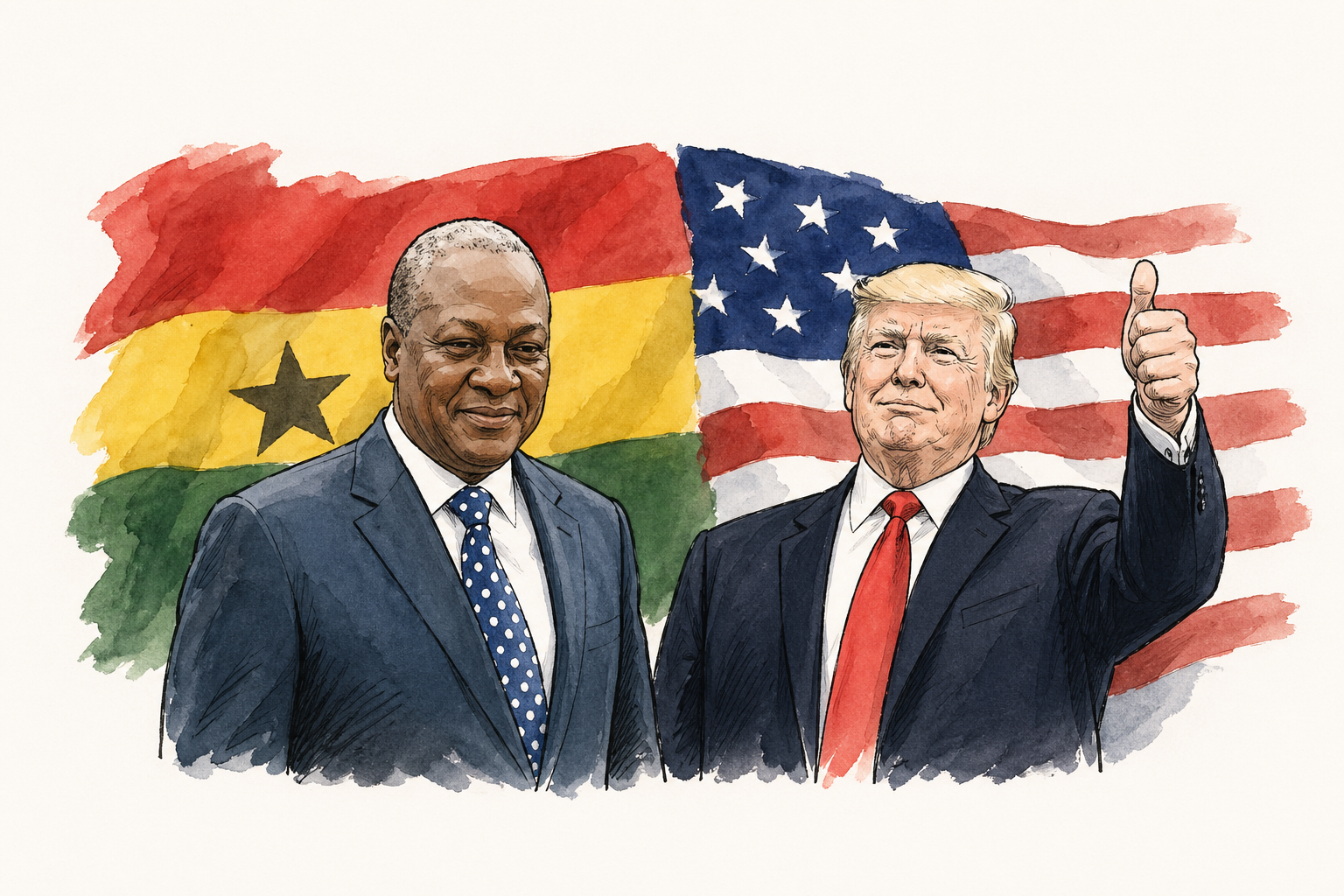
According to Reuters, the government of John Mahama declined the deal over provisions requiring the sharing of sensitive national health data.
The development adds to a growing list of countries resisting elements of the U.S. “America First Global Health Strategy,” introduced under Donald Trump, which seeks to shift more responsibility for disease control to recipient nations.
The proposed agreement, which had been under negotiation since November, reportedly included conditions that Ghana considered intrusive, particularly around access to health-related data.
A similar sticking point derailed negotiations with Zimbabwe earlier this year, while in Kenya, a court has suspended implementation of a comparable agreement pending the outcome of a legal challenge by a consumer protection group.
American Aid Restructuring and Funding Details
The “America First Global Health Strategy,” announced in September, aims to encourage developing countries to gradually transition from dependence on foreign aid to self-reliance in tackling diseases such as HIV/AIDS, malaria, tuberculosis, and polio.
U.S. foreign assistance data shows that Ghana received $219 million in aid in 2024, including $96 million allocated to health programmes.
Under the proposed deal, Ghana was expected to receive $109 million in health funding over five years, although details of its financial obligations remained unclear.

Negotiations reportedly intensified in recent weeks, with Washington setting an April 24 deadline for finalising the agreement. The source described mounting pressure from U.S. officials toward the end of the talks, ultimately leading Ghana to withdraw from the deal.
Ghana has since formally communicated its decision to the U.S. government.