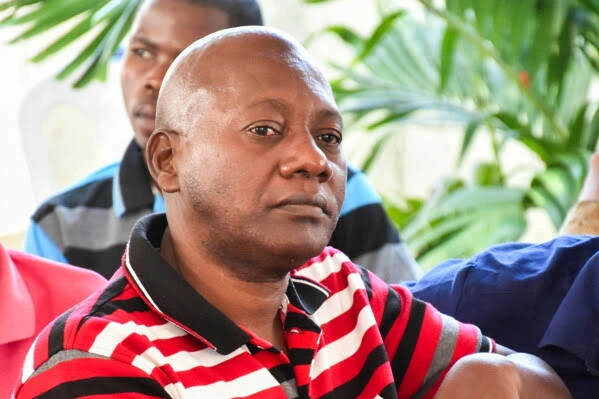
A Kenyan court has convicted Christian cult leader Paul Mackenzie and about 30 co-accused over the deaths of 191 people, most of them children, in Shakahola forest in eastern Kenya.
The Mombasa High Court delivered the verdict on Monday, October 19, 2026, finding that the deaths resulted from an organised system of enforced fasting and abuse among followers of Mackenzie’s Good News International Church.
Kenya’s Office of the Director of Public Prosecutions described the case as one of the country’s most consequential criminal trials.
The court found that religious teachings and an established hierarchy were used to direct and enforce deadly fasting among Mackenzie’s followers.
“Fasting was implemented sequentially, beginning with children, while guards controlled movement and prevented followers from escaping,” the prosecution office said in a statement.
Mackenzie, who is in his early 50s, was accused of instructing followers to starve themselves and their children to death in the belief that they would reach heaven and meet Jesus. He also discouraged modern medicine and formal education, according to evidence presented in court.
The cult leader and his co-accused were charged with murder in 2024, following the discovery and exhumation of hundreds of bodies in Shakahola forest.
Authorities began recovering bodies from the forest in April 2023. A total of 429 bodies have been recovered so far, with further charges potentially possible as investigations continue.
Court Hears Evidence of Forced Fasting and Abuse
In a ruling that lasted more than eight hours, Justice Diana Kavedza outlined how Mackenzie allegedly used sermons and written materials to persuade followers that the outside world was evil and that salvation could only be achieved by moving to the forest.
Evidence extracted from his phone, including WhatsApp messages, showed communications with followers before they relocated to Shakahola, the judge said.
She added that followers had been persuaded to abandon their homes, families and livelihoods with those who resisted the fasting directives forced to comply.
“Children were restrained, denied food and punished for attempting to eat or escape,” the Office of the Director of Public Prosecutions said.
Postmortem findings cited by the judge indicated that some victims died from suffocation, neck compression or head injuries, rather than starvation alone.
Paul Mackenzie’s son, Dan Mackenzie, came forward to publicly reject his father’s radical doctrines and denounce his actions.
Speaking during court proceedings, Dan labeled his father a “murderer” and expressed a willingness to testify against him.
He revealed the deep toll the cult’s actions had taken on their family, explaining how some of his siblings were left trapped in “mental slavery”—denied medical care and formal education due to his father’s extreme teachings.
Defence Plans Appeal as Families Seek Justice
Mackenzie’s lawyer, Lawrence Obonyo, told reporters on Monday that the defence team planned to appeal the conviction. He said Mackenzie maintained that he had not forced anyone to fast and that the victims’ actions were voluntary.
Rodgers Shibutse, a Nairobi resident who found his mother’s remains among those exhumed in February 2024, told CNN on Monday that Mackenzie had caused immense pain. He said he wanted the cult leader sentenced to life imprisonment.

Asked whether the conviction would bring justice for his mother, Shibutse said: “Not 100% justice, but at least the government has done something.” Mackenzie and his co-accused are scheduled to be sentenced on November 6, 2026.
The Shakahola deaths have raised serious concerns in Kenya about religious extremism, the exploitation of vulnerable followers and the oversight of religious organisations.