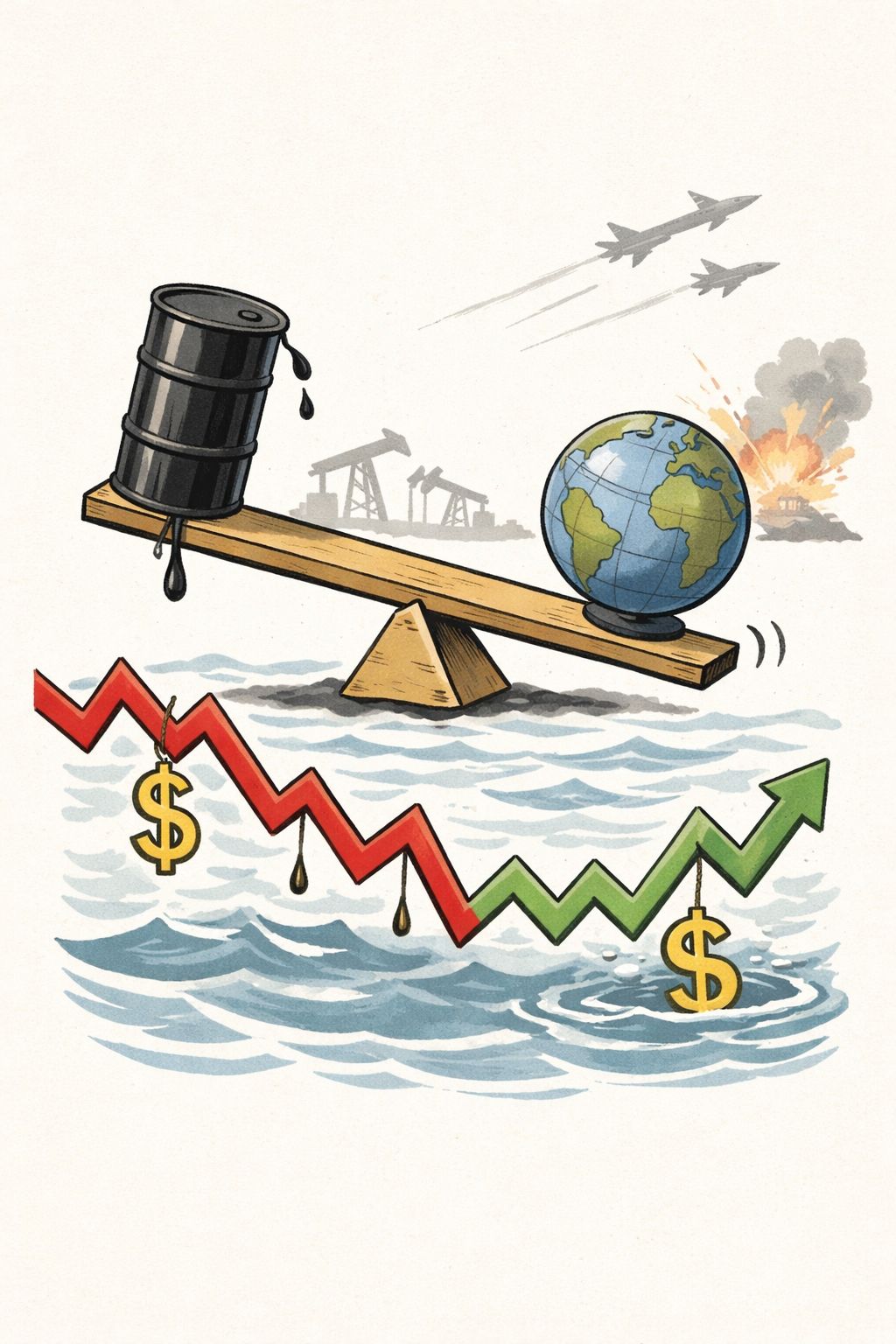
Brent crude, the international oil benchmark, fell 0.92% to $105.60 a barrel on Friday, September 25, 2026, as oil prices eased after a sharp rally in the previous session.
West Texas Intermediate (WTI), the US benchmark, also declined, falling 1.51% to $93.18 a barrel.
The pullback came after both benchmarks rallied strongly on Thursday as a deadlock in indirect US-Iran diplomatic discussions revived concerns about Middle East supply disruptions.
The rebound pushed Brent firmly back above the $100-a-barrel threshold after the benchmark had briefly traded below that level earlier in the week.
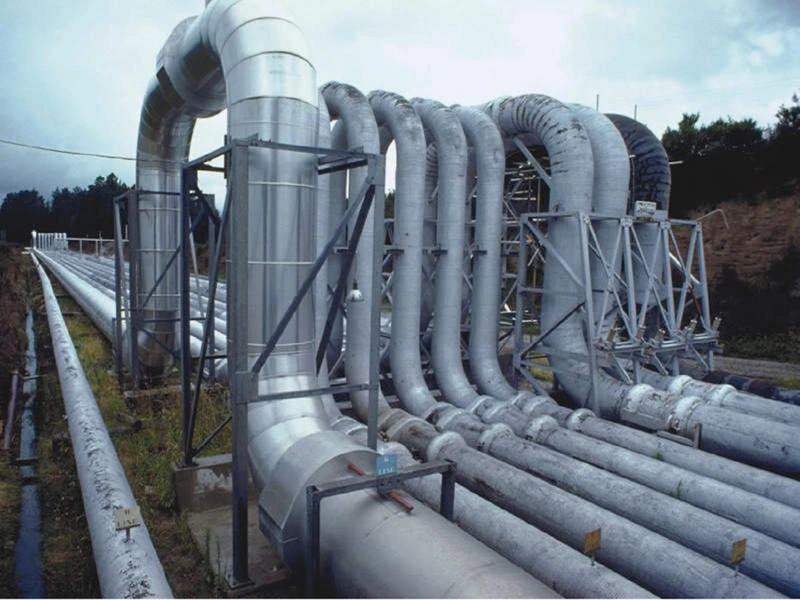
Saudi Arabia’s restart of its East-West pipeline has helped ease concerns about supply disruptions. The pipeline, a major route for transporting Saudi crude to the Red Sea, had been shut for about two weeks following drone strikes.
Higher crude loadings through the Strait of Hormuz have also contributed to expectations of improving physical supply, although the market remains highly sensitive to developments in the region.
On September 15, oil prices initially eased after a multi-day rally driven by concerns over Middle East supply. At the time, WTI traded at $101.70 a barrel while Brent stood at $105.70.
Prices subsequently declined over several sessions as physical crude flows recovered, before Thursday’s sharp rebound following the diplomatic stalemate.
Friday’s decline therefore represents a modest correction rather than a reversal of the recent geopolitical risk premium.

Traders are now watching developments in indirect US-Iran discussions, alongside evidence that Saudi crude exports can continue recovering.
Any fresh escalation in the region or renewed disruption to pipeline and shipping flows could put upward pressure on prices. Conversely, clearer signs of de-escalation, sustained Gulf production and higher export volumes could keep oil prices under pressure.