Seplat Energy is targeting a major increase in shareholder returns and production as it seeks to strengthen its position as one of Nigeria’s leading indigenous energy companies.
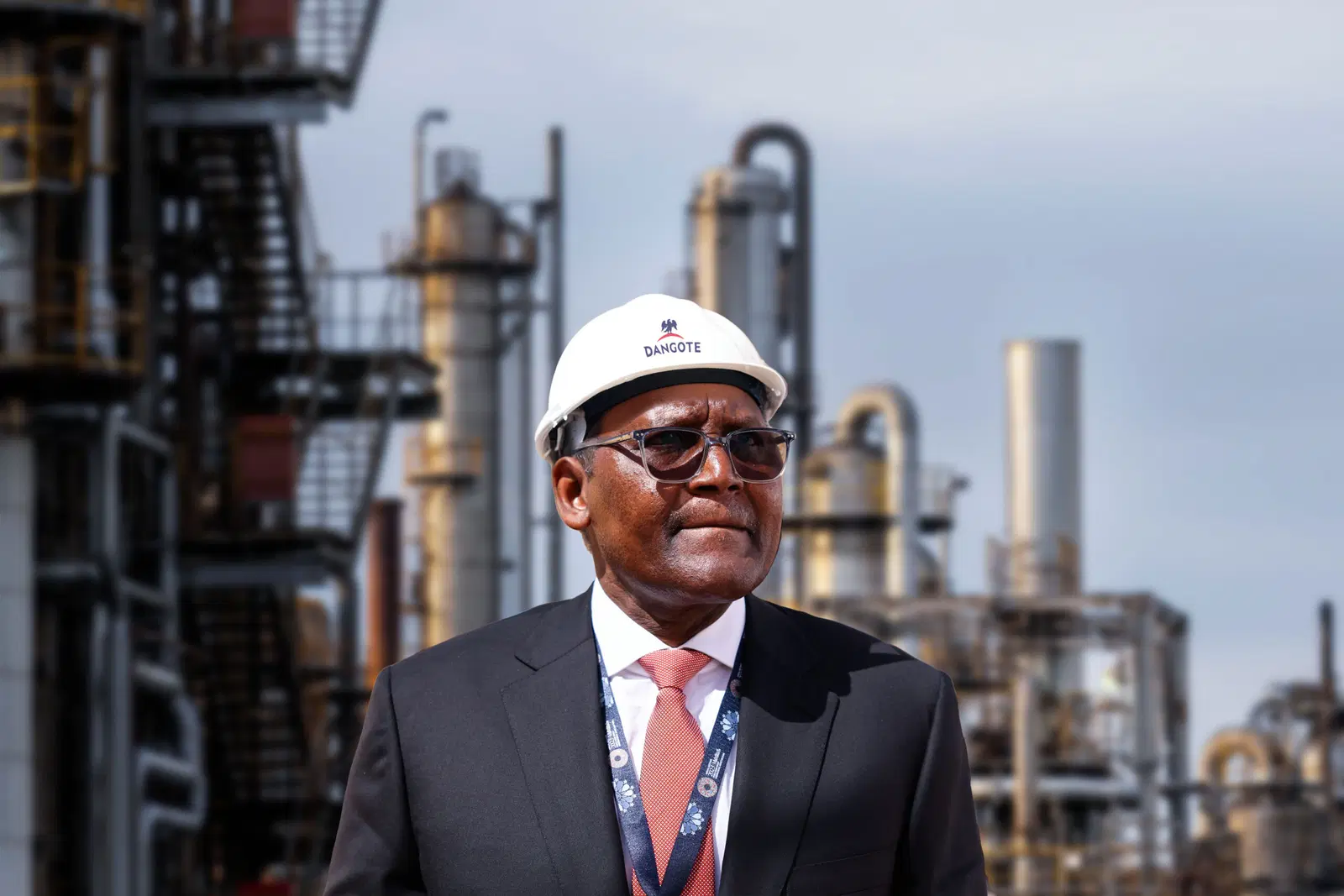
The company plans to distribute about $1 billion in dividends over the next four to five years, Chief Executive Officer Effiong Okon said during a fireside chat at Africa Oil Week 2026 in Accra, Ghana.
Okon said the company was already on track to meet the dividend commitment, pointing to Seplat’s financial position and its history of returning capital to investors.
“We have committed ourselves to deliver a billion U.S. dollars in terms of dividends over the next four or five years,” he said.
Seplat targets 500,000 barrels per day
The dividend plan comes alongside an ambitious production target.
Seplat is aiming to reach 500,000 barrels of oil per day through its joint venture operations, with the company planning further investment in existing assets and exploration.
Okon said the strategy includes restoring asset integrity across Seplat’s portfolio and carrying out new seismic campaigns designed to identify additional exploration opportunities.
The target would represent a significant expansion of the company’s current production base and reflects its strategy of increasing output from assets acquired as international oil companies continue to restructure their Nigerian portfolios.
Seplat has increasingly positioned itself as a major indigenous operator in Nigeria’s upstream oil industry following several divestments by international oil companies.
From $530m borrowing to $835m dividends
Okon highlighted the transformation of Seplat’s balance sheet since the company’s early years.
The company initially borrowed about $530 million, but has since returned approximately $835 million in dividends to shareholders.
Seplat’s market capitalisation was about $3.93 billion in late August 2026, following a sharp increase in its market value over the preceding year.
Its dual listing on the Nigerian Exchange and London Stock Exchange has also given the company access to both domestic and international investors.
Okon said the company’s growth had not been straightforward, but credited disciplined capital allocation and a strong balance sheet with helping Seplat navigate Nigeria’s difficult operating environment.
Seplat sees major opportunity in Nigerian gas
Oil is only one part of Seplat’s expansion strategy.
The company is also seeking to increase the commercial value of its gas resources. Its shallow-water assets are estimated to contain about 12 trillion cubic feet of gas, providing significant potential as Nigeria attempts to expand domestic gas supply.
Seplat plans to accelerate gas monetisation through additional pipeline infrastructure.
The strategy comes as Nigeria seeks greater use of natural gas for power generation, industry and domestic consumption while reducing dependence on more polluting fuels.
LPG expansion targets household energy use
Seplat is also expanding into the liquefied petroleum gas market, with the aim of encouraging households to move away from biomass fuels such as firewood.
The company sees LPG as both a commercial opportunity and part of its broader effort to reduce carbon intensity and household air pollution.
For Seplat, the expansion therefore goes beyond increasing crude oil production. The company is building a broader oil-and-gas portfolio spanning upstream production, gas infrastructure and downstream energy consumption.
What Seplat’s targets mean for investors
The combination of higher production and increased dividend payments points to a strategy built around generating greater cash returns while expanding the company’s underlying asset base.
The immediate challenge will be converting the production ambition into sustainable output while maintaining capital discipline.
For shareholders, the proposed $1 billion dividend programme provides a clear indication of Seplat’s intention to remain a significant income-generating energy stock.

At the same time, the company’s 500,000-barrel-per-day ambition places greater importance on the performance of its joint ventures, asset integrity programmes, exploration campaigns and Nigeria’s broader upstream operating environment.
If Seplat can execute on both fronts, it would strengthen its position as a major Nigerian-owned player in an industry undergoing a significant shift in ownership and capital allocation.