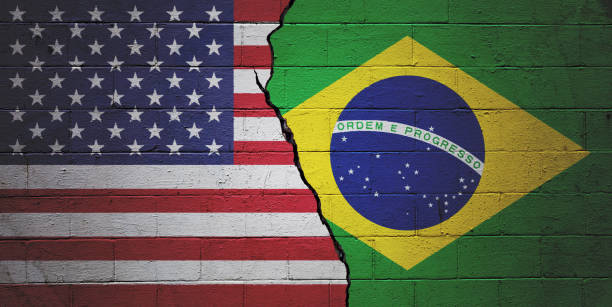
The United States has revoked the visa of Brazil’s ambassador to Washington, marking a sharp escalation in diplomatic tensions between the two countries. The move comes amid a growing dispute over diplomatic appointments and broader disagreements between the administration of US President Donald Trump and Brazilian President Luiz Inácio Lula da Silva.
US officials said the decision was a reciprocal response after Brazil denied entry to two senior US officials last month and delayed approval of Trump’s nominee for US ambassador to Brazil. Washington indicated the visa could be restored if Brazil proceeds with accrediting the ambassadorial nominee.
Brazil rejected the US explanation, describing it as unfounded and accusing Washington of pursuing an ideologically driven campaign against the South American nation. Brazilian authorities maintained that there is no internationally mandated deadline for approving foreign ambassadors.
Last month, Brazil refused entry to two officials from the US State Department, citing concerns they could interfere in the country’s October presidential election. US officials denied the allegation, saying the visit was intended to discuss issues including election integrity, religious freedom, and freedom of expression.
The diplomatic strain has also extended to the region. Argentina announced that Brazil was downgrading diplomatic relations after Argentine President Javier Milei publicly backed former Brazilian President Jair Bolsonaro’s political camp and criticized President Lula.

Trade disputes have further complicated bilateral ties as the Trump administration previously imposed steep tariffs on Brazilian imports, and although some measures were later overturned through legal challenges, Washington recently introduced fresh tariffs on several Brazilian goods.
The visa revocation underscores the increasingly strained relationship between the Western Hemisphere’s two largest democracies ahead of Brazil’s October elections, with both governments showing little sign of easing tensions.