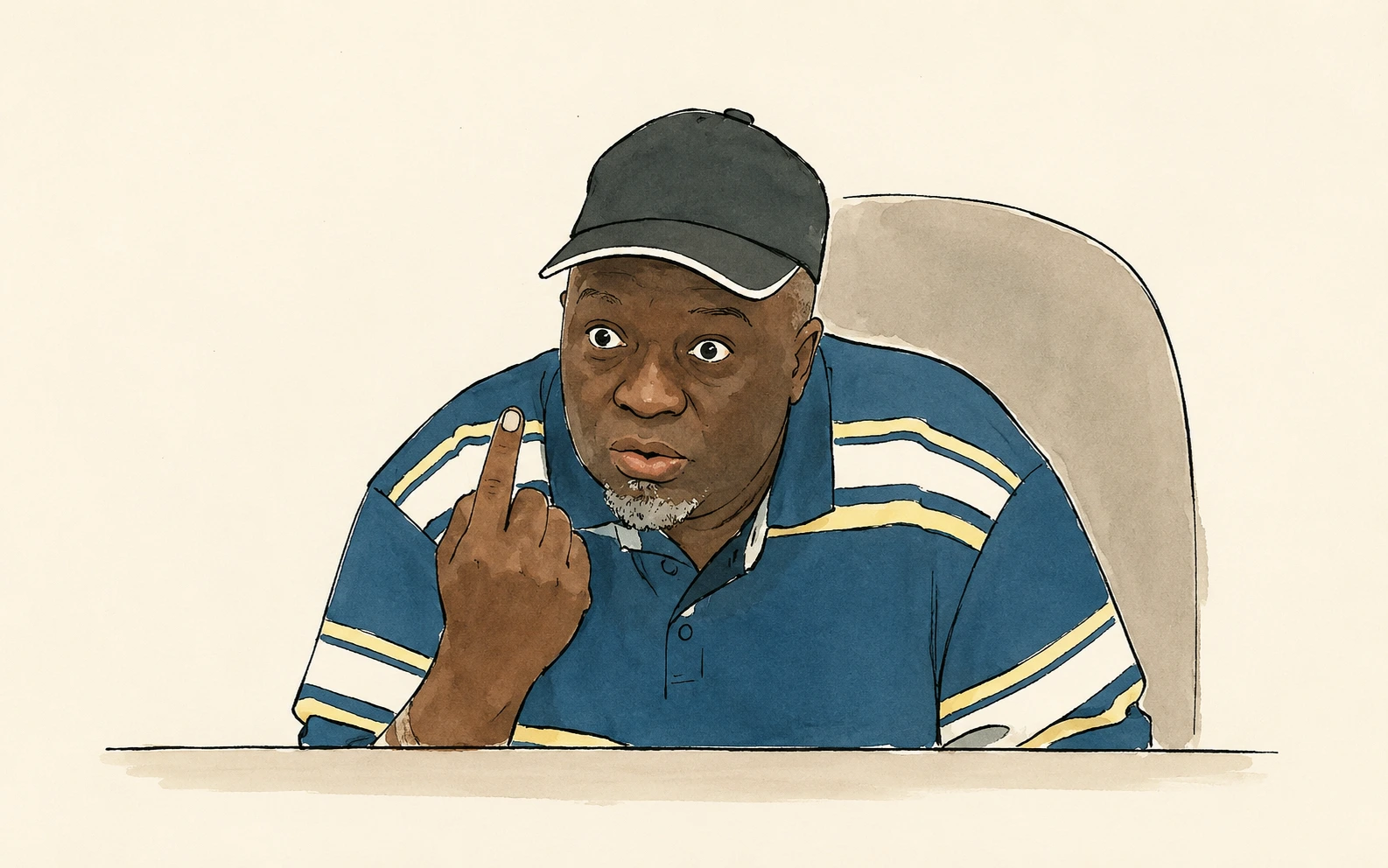
Professor Is-haq Oloyede’s tenure as Registrar of the Joint Admissions and Matriculation Board (JAMB) comes to an end this week. He has been one of the most consequential leaders in the agency’s nearly five-decade history.
Since taking office in August 2016, he has overseen sweeping reforms that transformed JAMB from an institution dogged by allegations of financial and admission irregularities into one widely recognised for transparency, technological innovation and operational efficiency.
Oloyede’s most celebrated achievement was JAMB’s financial turnaround. Before his appointment, the Board had remitted less than N50 million to the Federal Government over several decades despite generating billions of naira annually through examination fees. Under his leadership however, JAMB introduced tighter financial controls, blocked revenue leakages and significantly reduced operational costs. Within his first full year as Registrar, the agency remitted billions of naira in operating surplus, establishing itself as one of the Federal Government’s strongest-performing revenue-generating agencies and setting a new benchmark for accountability in public institutions.
Revolutionizing Examinations and Admissions Process
Professor Ishaq Oloyede reshaped Nigeria’s tertiary admissions system through the introduction of the Central Admissions Processing System (CAPS) in 2017. The platform centralised admissions across universities, polytechnics and colleges of education, making the process more transparent and significantly reducing the incidence of illegal or undisclosed admissions.
For the first time, candidates could monitor their admission status online and either accept or reject offers through a centralised platform, while institutions were required to comply with a uniform admission framework. Under him, JAMB also strengthened biometric verification, expanded oversight of accredited Computer-Based Test (CBT) centres and deployed technology to combat impersonation and examination malpractice. The mandatory integration of the National Identification Number (NIN) into UTME registration has further enhanced candidate verification and reduced multiple registrations, reinforcing the integrity of the examination process.
The former University of Ilorin Don also accelerated the digital transformation of JAMB’s operations. Services that once required physical visits including registration, admission processing, correction of candidate data and result checking were moved online, reducing paperwork and opportunities for manipulation. The reforms repositioned JAMB from an examination body into the central regulator of Nigeria’s tertiary admissions system.
Transparency became another hallmark of his administration. JAMB routinely published operational statistics, financial performance and admission data, a departure from the culture of secrecy that had characterised many public institutions. This openness strengthened public confidence and contributed to the perception of JAMB as one of the country’s more accountable government agencies.
Controversies
Prof. Ishaq Oloyede’s tenure was not without controversy. The defining challenge came during the 2025 UTME when technical failures disrupted examinations for hundreds of thousands of candidates, particularly in Lagos and parts of the South-East. Software and server-related issues forced JAMB to organise a resit for affected candidates, triggering widespread criticism and raising questions about the resilience of the Board’s digital infrastructure.
The incident was particularly damaging because it occurred after years of reforms that had positioned JAMB as a model for technology-driven public service delivery. Rather than deflect blame, the JAMB registrar publicly apologised to candidates, accepted responsibility on behalf of JAMB and approved a rescheduled examination for those affected. Candidates have also continued to complain about occasional CBT centre failures, long-distance travel to examination centres and registration challenges associated with the compulsory use of the National Identification Number.
His administration has also attracted criticism over the growing centralisation of admissions. While CAPS has significantly reduced admission fraud and increased transparency, some university administrators argue that JAMB now exercises considerable influence over admission decisions.

What is Expected From Predecessor
When Professor Segun Aina takes over the affairs of JAMB this week, he would be tasked with continuing and improving upon the reforms embarked upon by Professor Ishaq Oloyede as well as addressing some of the challenges faced by JAMB, tertiary institutions as well as candidates.
One thing is however certain; the fact Professor Ishaq Oloyede was able to turn JAMB around and usher in the current trend of progress witnessed by the institution.