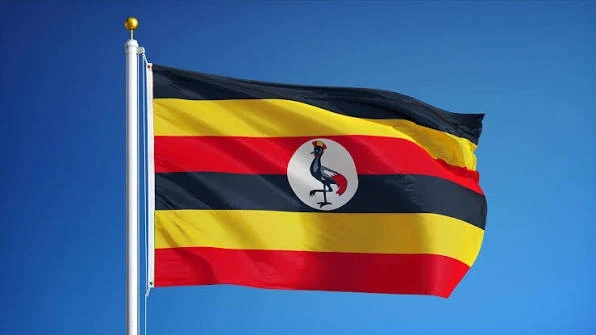
Uganda’s legal profession is taking a bold step toward decolonizing its justice system after the Uganda Law Society (ULS) adopted sweeping reforms aimed at removing colonial traditions from courtrooms.
The new directive, titled “Abolition of Colonial Judicial Culture,” instructs lawyers to stop addressing judges with titles such as “Your Lordship,” “Your Ladyship,” “Your Honour,” or similar honorifics. Lawyers are also no longer expected to bow before judges when appearing in court.
Ending Colonial Symbols in the Courts
The reforms are part of a broader campaign to modernize Uganda’s judicial culture and distance it from customs inherited during British colonial rule.
Instead of using titles that imply superiority or nobility, lawyers are encouraged to address judges using more neutral terms such as “Justice,” “Judge,” or simply by their surname. Supporters of the reforms argue that judges are public servants rather than aristocrats deserving of feudal-style reverence.
According to the Uganda Law Society, traditional courtroom etiquette—including elaborate bows and honorific titles—reinforces outdated hierarchies that place judges above ordinary citizens.
The society argues that such practices are incompatible with a modern democratic justice system built on equality before the law.
Consultation on Wigs, Robes and Courtroom Dress
The legal body has also launched a 90-day national consultation to examine whether other colonial-era judicial symbols should be retained.
Among the practices under review are:
- The use of traditional white wigs by judges and lawyers.
- Colonial-style judicial robes.
- The continued use of foreign languages in court proceedings.
- Other ceremonial traditions inherited from Britain’s legal system.
The consultation aims to identify courtroom practices that better reflect Uganda’s own legal identity while making proceedings more accessible and understandable to the public.
Driven by the “Radical New Bar”
The initiative is being championed by the Radical New Bar, a reform movement within the Uganda Law Society advocating for a more accessible, transparent and decolonized justice system.
The directive was announced on July 7, coinciding with Saba Saba Day, a historic day commemorating resistance against authoritarianism and the struggle for civil liberties across East Africa.
Supporters say the timing underscores the movement’s broader objective of dismantling institutions and practices rooted in colonial authority. Uganda’s judiciary has responded cautiously to the proposals.
Judiciary spokesperson James Ereemye told the BBC that while the Uganda Law Society is free to issue guidance to its members, it cannot dictate how judges conduct themselves or how courts operate. He emphasized that the judiciary is an independent arm of government and suggested that any reforms to courtroom practice should be pursued through the appropriate institutional channels rather than by unilateral directives from the lawyers’ association.
Part of a Wider African Debate
Uganda’s move reflects a broader conversation taking place across several African countries about the continued influence of colonial institutions decades after independence.
Many former British colonies—including Kenya, Nigeria, Ghana and Uganda—still retain courtroom traditions such as horsehair wigs, elaborate robes and centuries-old forms of address inherited from the British legal system.

Critics argue these symbols make the justice system appear distant, elitist and inaccessible to ordinary citizens. Supporters, however, contend that such traditions promote decorum, continuity and respect for the rule of law.
Whether Uganda ultimately abandons wigs, robes and other colonial symbols will depend on the outcome of the ongoing national consultation, but the latest directive has already ignited an important debate over what an independent African justice system should look like in the 21st century.