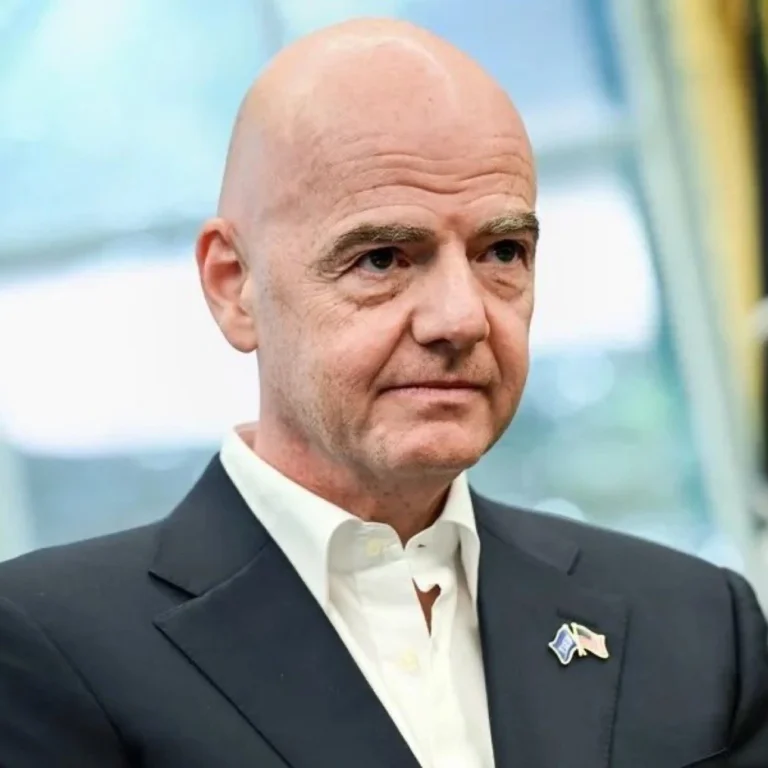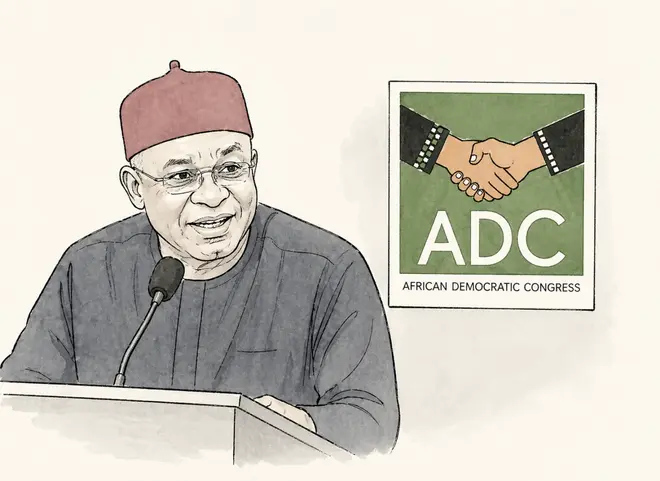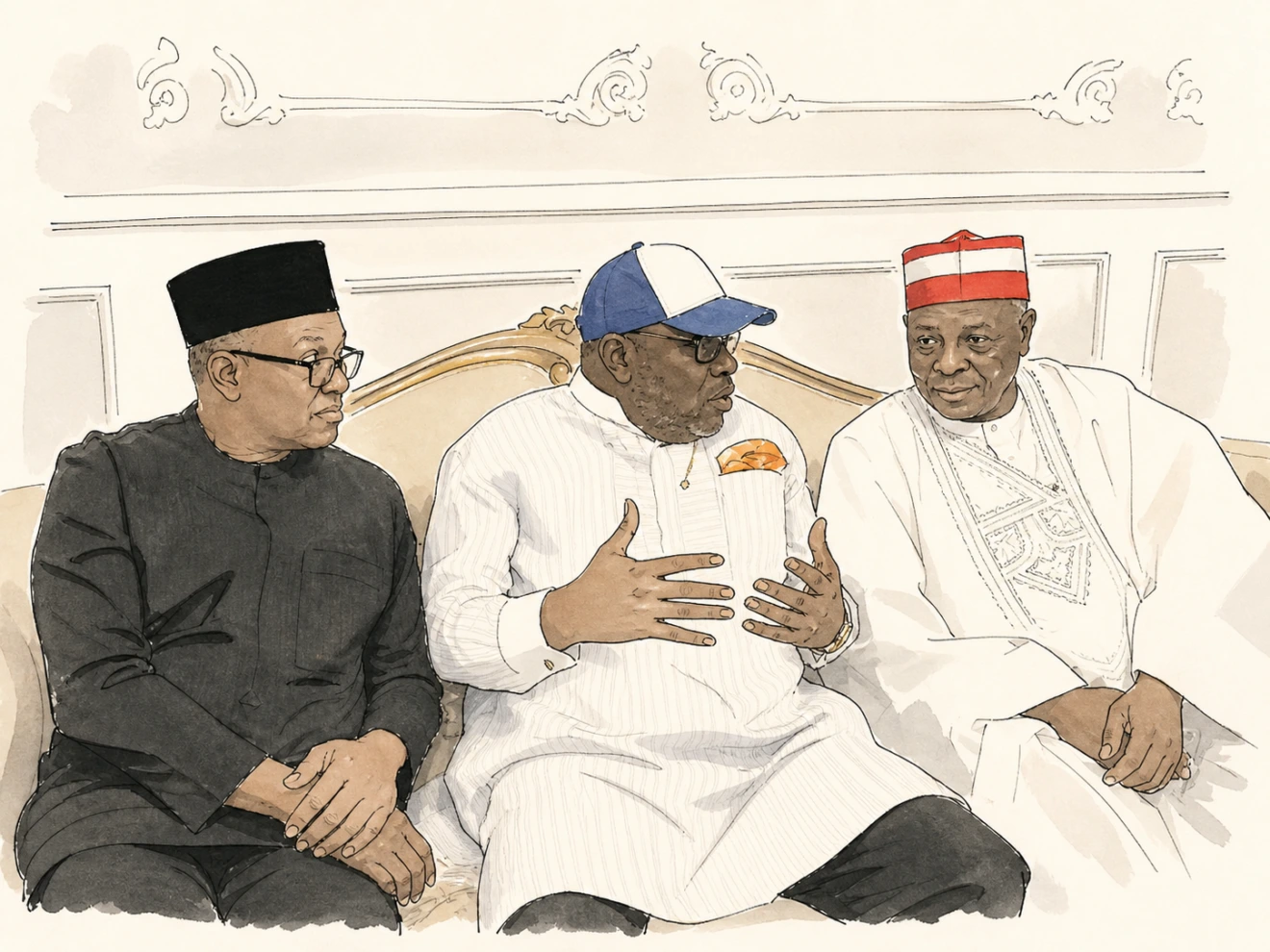
2023 Labour Party Presidential candidate Peter Obi and his New Nigerian People’s Party (NNPP) counterpart Senator Rabiu Kwankwaso recently joined the Nigeria Democratic Congress (NDC) making them the leading contenders for the party’s presidential and Vice presidential tickets in 2027.
The idea of a cooperation between Peter Obi and Rabiu Musa Kwankwaso heading into 2027 has generated a buzz among the polity. This is rooted in both men’s individual performances in the 2023 presidential election where Peter Obi of the Labour Party secured 6,101,533 votes, and Rabiu Kwankwaso of the NNPP polled 1,496,687 votes behind Bola Tinubu of the APC who won with 8,794,726 votes,
When combined, Obi and Kwankwaso amassed 7,598,220 votes in 2023, a significant figure but still approximately 1.2 million votes short of Tinubu’s total.
What does this alliance potentially mean?
Even though the combined 2023 total of Obi and Kwankwaso did not surpass Tinubu, a unified ticket by both men would reduce vote splitting across regions, improve coordination in key battleground states, and potentially strengthen the opposition’s ability to meet constitutional spread requirements, there are however major problems both men would have to settle if they are to stand a chance of ousting the ruling party.
Kano and the Changing Nature of Kwankwaso’s Influence
Kano State remains central to any assessment of Rabiu Kwankwaso’s political strength. In 2023, Kano functioned as a stronghold for his Kwankwasiyya movement and provided a substantial portion of his national votes. The state has always been important in any elections owing to its large population which makes it a major battleground which Kwankwaso has always had on lockhold.
However, political developments since then suggest that Kano is becoming more competitive, particularly with increased influence from the APC within the state’s political structure. Governor Abba Kabir Yusuf recently dumped the NNPP for the APC meaning the influence of the Kwankwasiya movement have been dampened somewhat.
This shift does not eliminate Kwankwaso’s relevance in Kano, but it alters its certainty as Kano is no longer a guaranteed asset for Kwankwaso and its 5,921,370 plus registered voters is now a battleground.
Kwankwaso’s role in national coalition politics is also evolving. In 2023, his strength lay in his ability to deliver a defined northern bloc, particularly in Kano, giving him considerable bargaining power in opposition discussions. By 2027, that leverage is more conditional as the APC currently commands all governors in the North and with a person like Atiku Abubakar having his hat in the ring, in the votes in the North are as open as ever.
Obi’s Rising Scrutiny and Expanding Opposition Pressure
While Kwankwaso’s challenge is structural, Peter Obi’s is increasingly perceptual and political. In 2023, Obi benefited from a wave of enthusiasm driven by youth mobilisation, reformist messaging, and relatively low expectations. By 2027, that environment has changed significantly.
The criticism for Obi has also shifted from personality-based attacks to deeper questions about policy depth, governance capacity, and national electability. This reflects his transition from an outsider candidate to a central political figure who is now fully subjected to elite-level scrutiny.
Another factor shaping Obi’s 2027 positioning is his movement across political platforms since 2023. While such shifts are not unusual in Nigerian coalition politics, they carry perceptual consequences. Opponents are likely to frame this as inconsistency or lack of ideological grounding, even if it is strategically motivated.
Beyond perception, repeated transitions also create organisational strain, requiring continuous rebuilding of party structures and coordination networks. In a political environment where structure increasingly matters as much as sentiment, this introduces an additional layer of complexity.
Perfect Timing or a Delayed Opportunity?
The argument for “perfect timing” for the two men’s alliance rests on improved strategic awareness. Unlike 2023, there is now clearer recognition within opposition circles that fragmentation is costly, and that early coalition-building is necessary.
Those who see it as a delayed opportunity view both men’s inability to commit to an alliance in 2023 a major contributor to President Tinubu’s win in 2023. Supporters and critics of both men now wait with bated breathe to see what the alliance between both men would bring.