At least 33 people arrested during raids on suspected illegal gold-mining sites in Niger State have died while in the custody of the Nigeria Security and Civil Defence Corps (NSCDC), triggering protests in Minna and prompting the Federal Government to suspend the state commandant of the paramilitary agency.
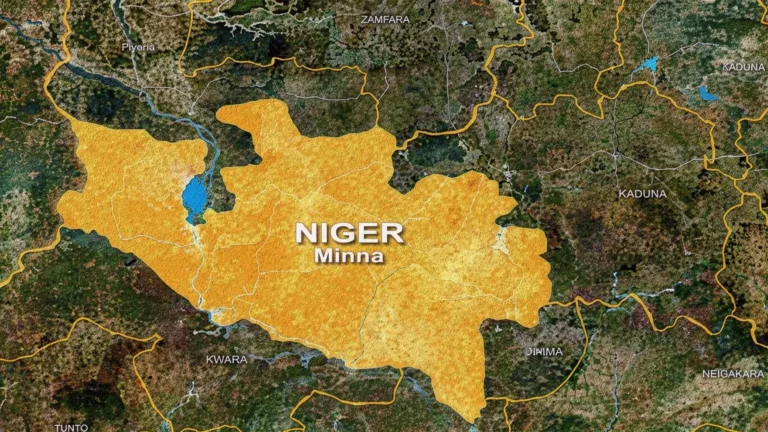
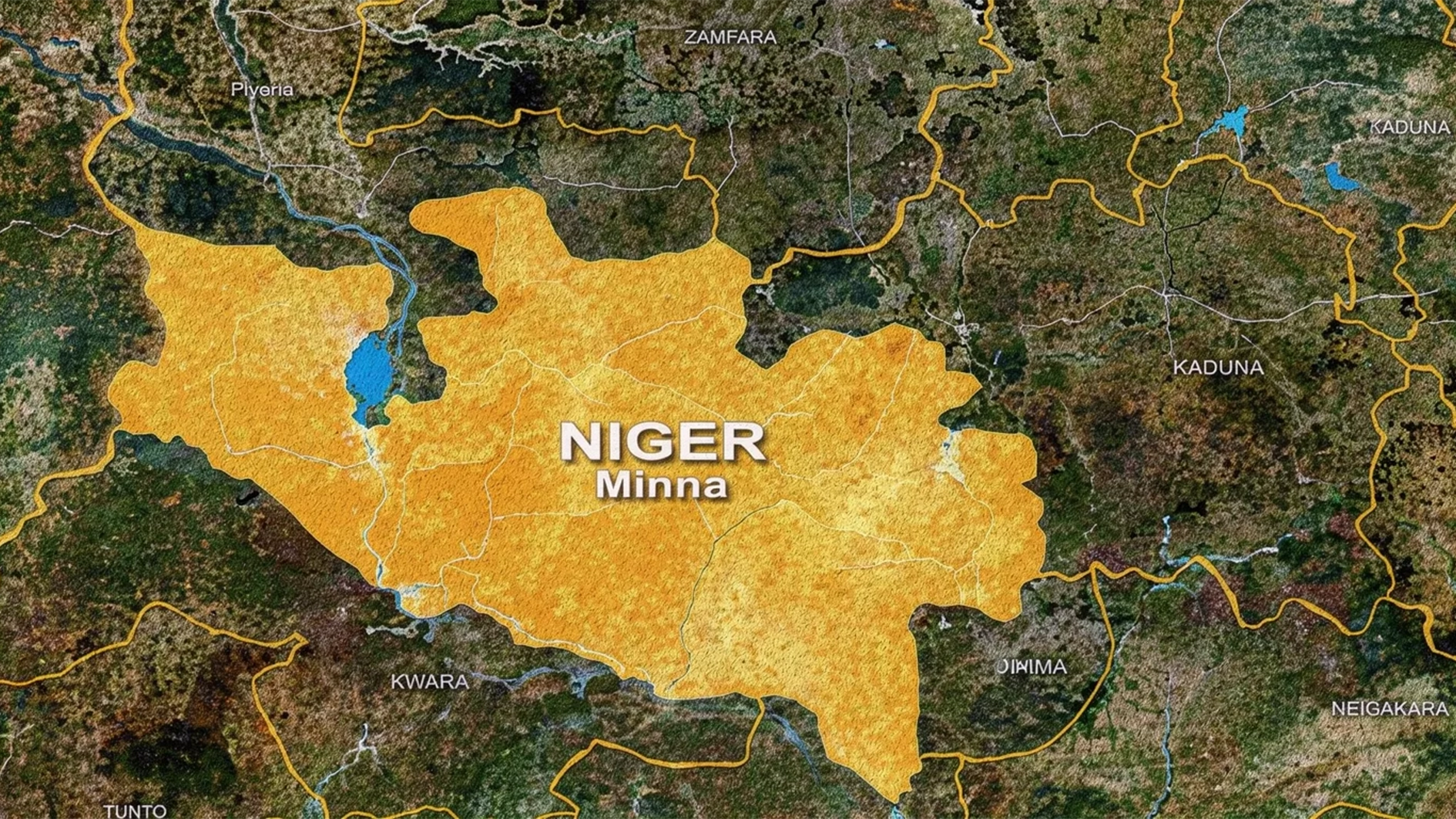
The deaths occurred after the detainees were arrested during operations conducted between September 15 and 16 in the Wushishi-Lukoto area, west of Minna, the state capital.
Their bodies were taken to Minna General Hospital, where Reuters reported seeing 33 bodies on Thursday.
The circumstances surrounding the deaths remain unresolved.
The NSCDC initially suggested that a suspected disease outbreak could have been responsible, but subsequently said the cause of death had not been established and would be determined through medical examinations.
The development has shifted attention from the government’s campaign against illegal mining to questions about the treatment and supervision of people detained during such operations.
Interior ministry suspends NSCDC commandant
Interior Minister Olubunmi Tunji-Ojo ordered the immediate suspension of Niger State NSCDC commandant Suberu Siyaka Aniviye pending a full investigation.
The Interior Ministry described the deaths as an “unfortunate incident” and said the investigation would determine what happened while the commandant remained suspended.
The suspension places the conduct of the detention operation, including the conditions in which the suspects were held and the response to any medical emergency, under scrutiny.
A definitive cause of death has yet to be announced.
Protests break out in Minna
News of the deaths triggered overnight protests in Minna on Thursday.
Residents said young people took to the streets chanting for justice, while some vehicles were damaged during the unrest.
The city was calmer by Friday morning, although security forces had been deployed heavily in parts of Minna.
The protests also underline the sensitivity of deaths occurring in state custody, particularly where families are seeking explanations for how detainees died after being taken into the custody of a government security agency.
Illegal mining crackdown comes under scrutiny
The detainees had been arrested as part of Nigeria’s continuing campaign against illegal mining.
Gold and other minerals are extracted at thousands of informal mining sites across the country. Government authorities have repeatedly linked illegal mining to environmental degradation and lost public revenue, making enforcement a continuing priority for security and regulatory agencies.
But the Niger State deaths introduce a separate question into that enforcement campaign: how suspects are treated after arrest.
The investigation will therefore need to establish not only the medical cause of the deaths but also the sequence of events between the arrests and the discovery of the bodies.
That includes determining where the detainees were held, whether they displayed symptoms of illness, what medical attention was available to them and when authorities became aware that something was seriously wrong.
Until the medical examinations and investigation are completed, the precise cause of the deaths remains unconfirmed.

For the government, the immediate challenge is to establish the facts quickly enough to address public anger while ensuring that the investigation also accounts for the circumstances surrounding the deaths in custody.
The incident could also intensify scrutiny of future illegal-mining enforcement operations, particularly where large numbers of suspects are arrested and detained simultaneously.