New $750 Fast-Track Visa Service Comes as Nigerians Face Bond Requirements of Up to $15,000
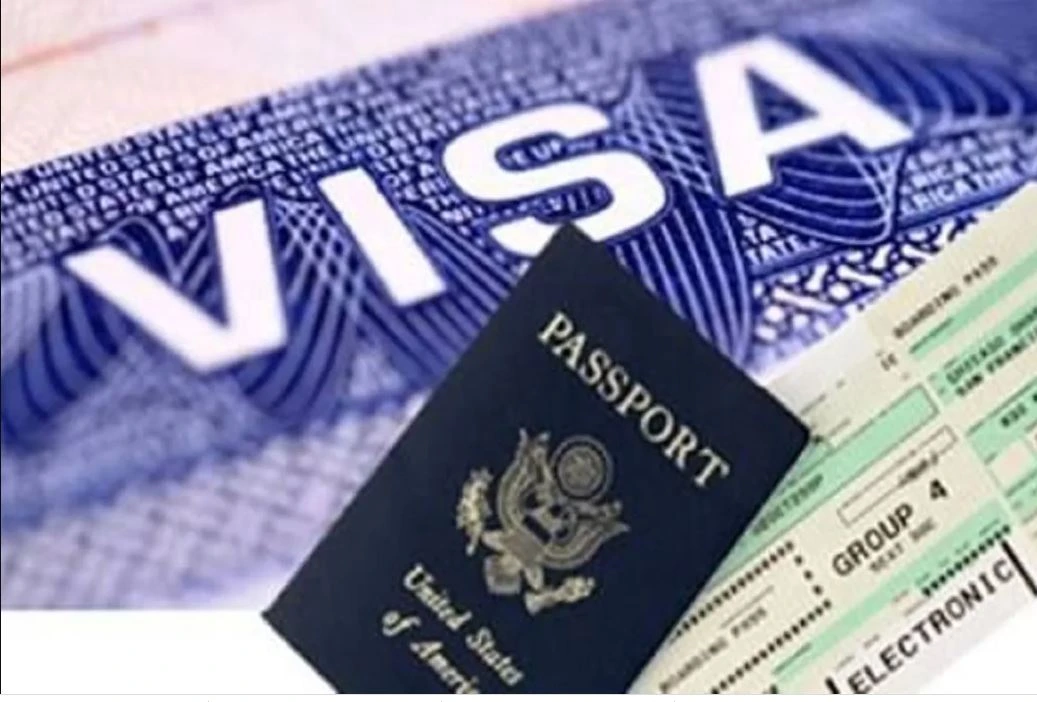
The United States has introduced a new premium visa interview service that will allow certain visitor visa applicants to secure interview appointments within 10 business days by paying an additional $750 fee.
The programme, which will run from July 1 to December 31, 2026, applies to applicants seeking B1 and B2 visitor visas—the most common short-term visas used by Nigerians travelling to the United States for business, tourism, medical treatment, conferences, family visits and similar purposes. The B1 visa is for business-related travel, while the B2 visa covers tourism, leisure, medical treatment and visits to relatives.
The new fee is payable in addition to the standard $185 visa application charge, bringing the total cost of obtaining a premium appointment to $935.
But for Nigerians, the announcement comes against the backdrop of a much broader tightening of U.S. immigration and visa policies under President Donald Trump. Indeed, many Nigerians are already subject to one of the administration’s most controversial immigration measures: a visa bond programme that can require applicants to deposit as much as $15,000 before receiving a visitor visa.
Nigerians Already Face a Visa Bond Requirement
A common misconception is that the United States has introduced a blanket $15,000 visa fee for Nigerians. That is not the case.
Instead, Nigeria was added in January 2026 to the State Department’s Visa Bond Programme. Under the scheme, certain Nigerian applicants who are otherwise eligible for a B1/B2 visa may be required to post a refundable bond of $5,000, $10,000 or $15,000 before a visa is issued. The exact amount is determined by the consular officer handling the application.
The money is refunded if the traveller complies with the terms of the visa and leaves the United States before the authorised period of stay expires. The bond may also be returned if the traveller decides not to travel or is denied entry at the port of arrival.
The programme was introduced because the administration believes financial guarantees can reduce visa overstays. Nigeria’s inclusion reflects longstanding concerns within U.S. immigration agencies about compliance rates among certain categories of visitors.
For many Nigerians, the bond requirement arguably represents a more significant barrier than the newly announced $750 fast-track interview service.
The New $750 Service Creates a Premium Queue
The latest initiative effectively introduces a premium lane for visitor visa applicants.
Applicants who pay the additional fee will be able to secure an interview appointment within 10 business days at participating U.S. embassies and consulates. However, the State Department has emphasised that payment does not improve the applicant’s chances of approval and does not exempt applicants from any eligibility requirements.
Importantly, the State Department has not yet confirmed all participating embassies and consulates. While Nigerians are eligible to apply for B1/B2 visas, it remains unclear whether the U.S. Embassy in Abuja or the Consulate General in Lagos will be included in the pilot programme. Participating locations are expected to be announced separately.
This distinction matters. If Nigerian visa posts are excluded, the programme will have little practical significance for Nigerian travellers.
From Travel Restrictions to Financial Barriers
The premium interview service and visa bond programme are best understood as part of a broader shift in U.S. immigration policy that began during Trump’s first term.
In 2020, Nigeria was included in an expansion of U.S. immigration restrictions that affected several categories of immigrant visas. While tourist and student visas remained available, family-based immigration became more difficult for many Nigerians.
The administration also expanded social media screening, introduced more intensive background checks and increased scrutiny of applicants from countries considered to present higher immigration risks.
The result was longer processing times, more requests for documentation and a greater emphasis on proving strong ties to one’s home country.
Trump’s Second Term: Compliance and Enforcement
Since returning to office, Trump has pursued an even more aggressive immigration agenda.
Much attention has focused on deportations and border security. Less discussed, however, is the administration’s growing emphasis on visa compliance and overstay prevention.
The visa bond programme is a direct product of this approach. Rather than merely screening applicants before arrival, the administration is seeking financial mechanisms that create incentives for compliance after entry.
The new $750 expedited appointment service fits within the same framework. It allows the government to generate additional revenue while managing long appointment backlogs and allocating scarce interview slots more efficiently.
The combined effect is a system that increasingly differentiates applicants according to both perceived immigration risk and ability to pay.
What It Means for Nigerians
For affluent Nigerian business executives, medical travellers and families facing urgent travel needs, the $750 service could be attractive if Nigerian posts are eventually included.
For the broader population, however, the bigger story may be the growing cost of access to the United States.
A Nigerian applicant may now face:
- A $185 visa application fee.
- A possible $750 expedited interview fee.
- A potential visa bond of up to $15,000.
- Additional travel and documentation expenses.
None of these payments guarantees approval.

Taken together, they illustrate how the Trump administration is reshaping America’s visa system. Access to the United States is becoming increasingly defined by compliance, security screening and financial capacity.
For Nigerians, the era when a visitor visa was primarily an administrative process is giving way to one in which access to America is becoming both more conditional and considerably more expensive.